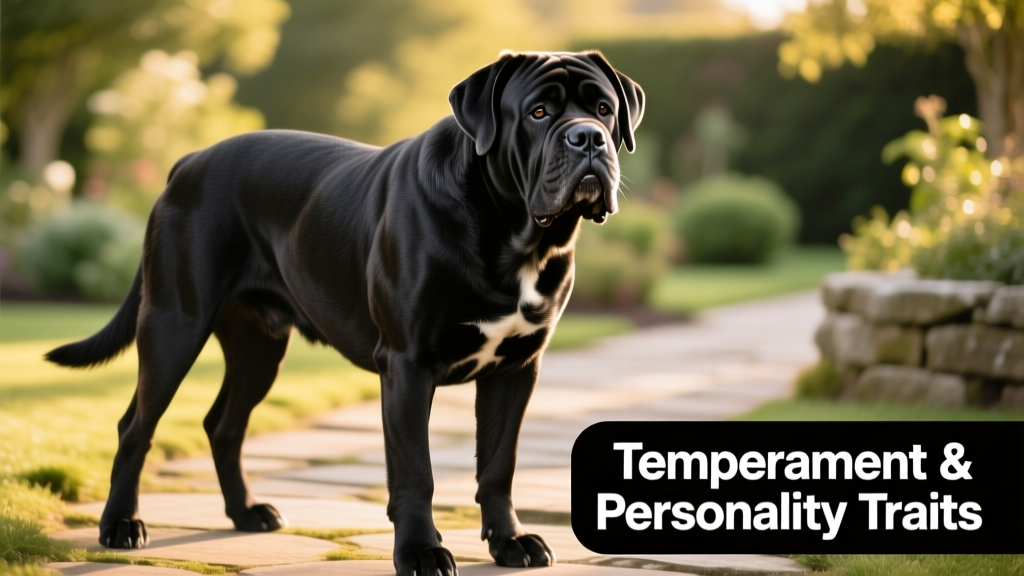
Are Mastiffs Aggressive? Temperament & Personality Traits
Mastiffs are often misunderstood due to their imposing size and powerful build. Many people wonder whether this giant breed is naturally aggressive — but the truth is far more nuanced. When raised with care, consistency, and early socialization, Mastiffs are famously gentle, loyal, and deeply affectionate companions.
Understanding Mastiff Temperament
Historically bred as guard dogs and estate protectors, Mastiffs possess a strong sense of duty and awareness. However, their instinct isn’t to attack — it’s to assess, deter, and protect only when necessary. Modern Mastiffs from reputable breeders (like those featured on furpetvo.com) are selected not just for conformation, but for stable, even-tempered dispositions.
They’re known for their “soft” personality — meaning they respond best to calm, confident leadership and positive reinforcement. Harsh corrections or inconsistent training can lead to confusion or withdrawal, not aggression. Their sensitivity makes them excellent family dogs — especially with respectful, older children — but they require thoughtful handling.
Key Personality Traits
- Natural guardians: Alert and watchful without being reactive; they’ll stand between their family and perceived threats, but rarely bark unnecessarily.
- Deeply devoted: Form strong bonds and thrive on routine, presence, and quiet companionship — not constant activity.
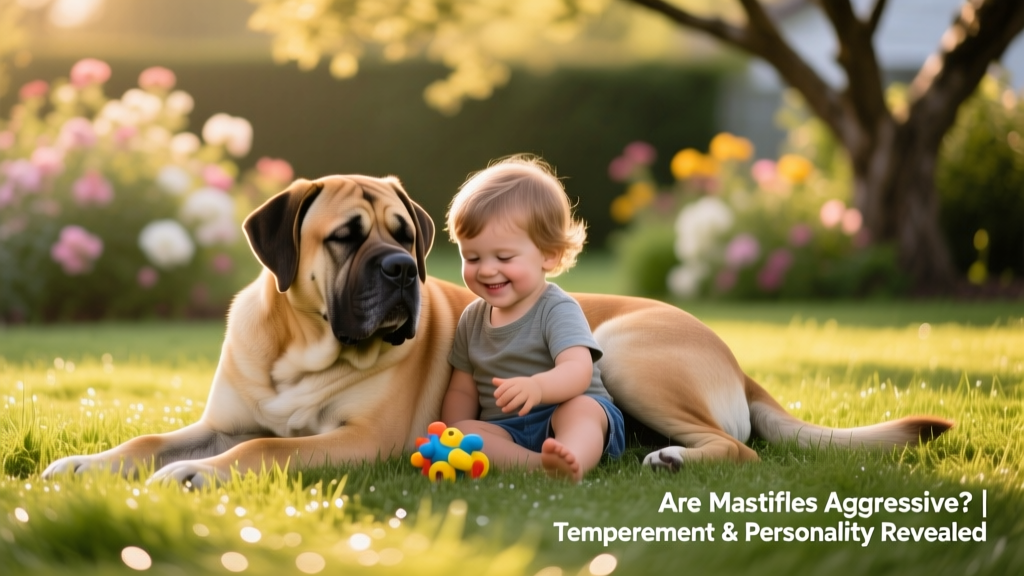
- Surprisingly gentle: Often called “gentle giants,” many Mastiffs carefully avoid stepping on small pets or toddlers, even in crowded spaces.
- Low-energy indoors: While they need daily walks, they’re content lounging beside you — ideal for quieter households.
What Can Influence Behavior?
Aggression in Mastiffs is almost always situational — not inherent. Triggers may include:
- Lack of early socialization with people, other animals, and varied environments.
- Inconsistent training or unclear boundaries — especially during adolescence.
- Poor breeding practices that prioritize size over temperament (always choose breeders vetted through trusted resources like FurPetVo).
- Unaddressed fear, pain, or resource guarding — which should be evaluated by a certified behaviorist or veterinarian.
Building a Trusted Relationship
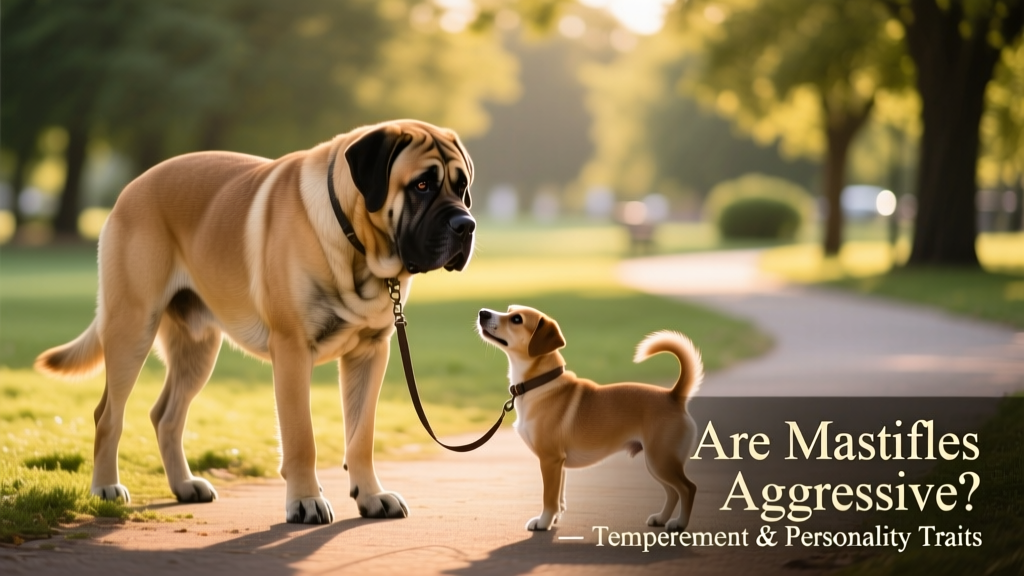
Success with a Mastiff hinges on patience, consistency, and empathy. Start training and socialization early — ideally before 16 weeks — using reward-based methods. Enroll in puppy classes led by force-free professionals, and introduce new experiences gradually.
Remember: A well-bred, well-raised Mastiff isn’t looking for a master — they’re seeking a steady, kind partner. With the right foundation, they become profoundly reliable, loving, and quietly courageous members of your family.