Are Gerbils Nocturnal?
Gerbils are active, curious pets, but their unique sleep schedule might surprise you. Gerbils aren’t nocturnal—but that doesn’t mean they sleep through the night. Understanding when gerbils are awake can help you give them the best care and build a stronger bond.
Key Takeaways
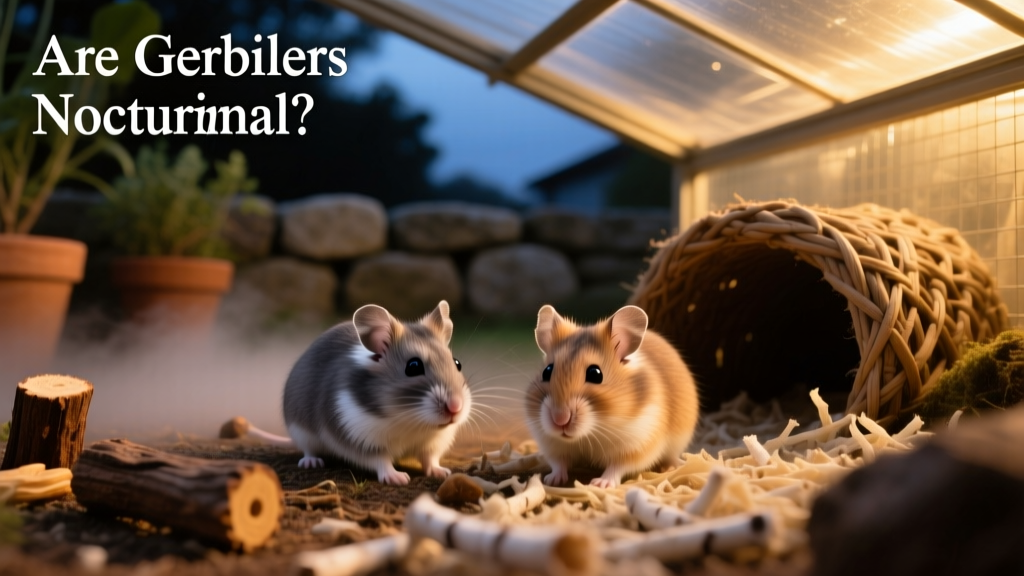
- Gerbils are not nocturnal; they’re crepuscular, meaning they’re most active at dawn and dusk.
- Early mornings and evenings are ideal times to interact—they’ll be the most lively and engaged.
- Gerbils are less active at night, alternating light activity with short sleep cycles. During the day, they take frequent naps interspersed with brief bursts of energy.
- Support their natural rhythm with a consistent routine, minimal noise during rest periods, and exposure to natural light cycles.
Are Gerbils Nocturnal?
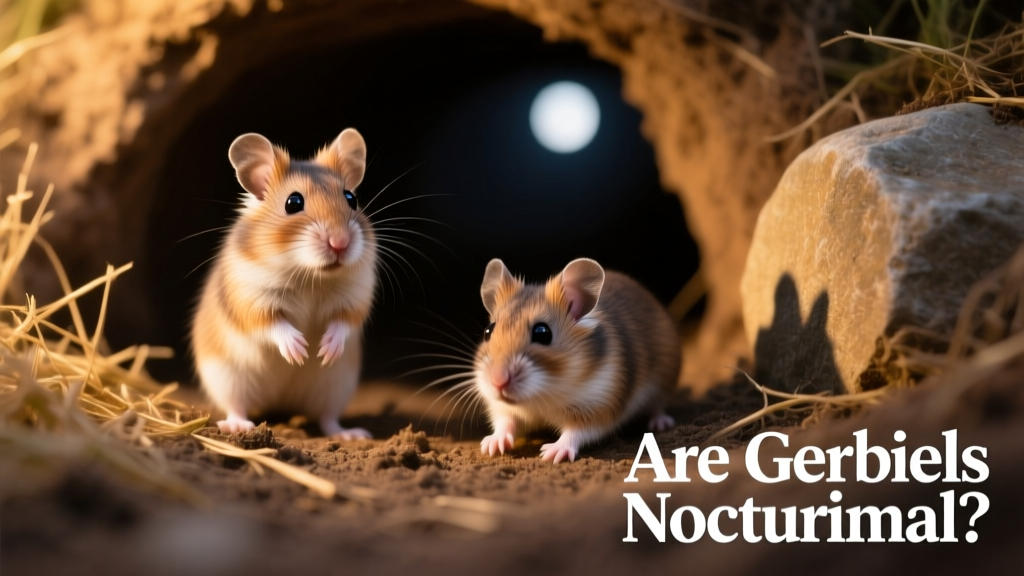
No—gerbils are not nocturnal. They’re crepuscular, meaning their peak activity occurs during twilight hours: dawn and dusk—not throughout the night.
In the wild, this timing helps gerbils avoid predators and extreme temperatures. Dawn and dusk offer safer, cooler conditions for foraging, digging, and exploring. Crepuscular behavior also means gerbils are awake in short, frequent bursts across the 24-hour cycle rather than staying alert for long stretches.
When Are Gerbils Most Active?
Gerbils are active at multiple points throughout the day and night—with distinct peaks around dawn and dusk:
- Dawn (early morning): One of their most energetic periods—expect running, digging, and eating.
- Morning: Moderate activity followed by short rest periods.
- Daytime: Alternating between naps and brief bursts of exploration or play.
- Dusk (evening): Another peak activity window—perfect for interaction and enrichment.
- Overnight: Light, intermittent activity—including snacking, rearranging bedding, or gentle grooming.
Do Gerbils Sleep at Night?
Yes—gerbils do sleep at night, but not in one continuous stretch. They follow a polyphasic sleep pattern: sleeping in multiple short sessions throughout the day and night.
Typically, they rest for a few hours at a time, then wake up to eat, explore, dig, or play before settling again. This pattern supports their natural vigilance in the wild and helps maintain healthy feeding rhythms.
Why Do Gerbils Wake Up at Night?
Gerbils wake at night for reasons rooted in instinct and environment:
- Natural instincts: Short bursts of activity help them stay alert to potential threats—even in captivity.
- Environmental triggers: Subtle shifts in light, temperature, or ambient noise can rouse them.
- Household activity: Movement or sounds nearby may stimulate curiosity or energy.
- Hunger or curiosity: They often wake to snack, dig, or reorganize their space—behaviors tied to their natural foraging drive.
Should You Change a Gerbil’s Sleep Schedule?
No—you should never try to override or reshape your gerbil’s natural crepuscular rhythm. It’s biologically ingrained and essential to their physical and mental well-being.
While some gerbils may gently adjust to minor household routines over time, consistency remains vital. Avoid forcing interaction during rest periods—this can cause chronic stress, which may weaken immunity, trigger overgrooming, or lead to anxious behaviors like chewing on cage bars.
Always prioritize your gerbil’s natural needs. If you notice unusual sleep patterns or behavioral changes, consult an exotic veterinarian experienced with small mammals—and consider reaching out to FurPetVo’s certified care advisors at furpetvo.com for science-backed guidance.
How To Work With Your Gerbil’s Schedule
Interact During Active Times
The best windows for bonding are early morning and evening. During these times, you can:
- Handle them gently—only if they’re comfortable and accustomed to contact.
- Offer fresh food—ensure enough nutrition lasts at least 12 hours (FurPetVo recommends high-fiber, low-sugar formulas designed specifically for gerbils).
- Give small, occasional treats—like dried herbs or timothy-based snacks—as part of balanced enrichment.
- Refresh their water bottle daily to support hydration and encourage natural drinking rhythms.
- Supervise safe floor time outside the enclosure—using solid-walled playpens (never wire mesh) to prevent escapes or injury.
Provide Enrichment During Active Periods
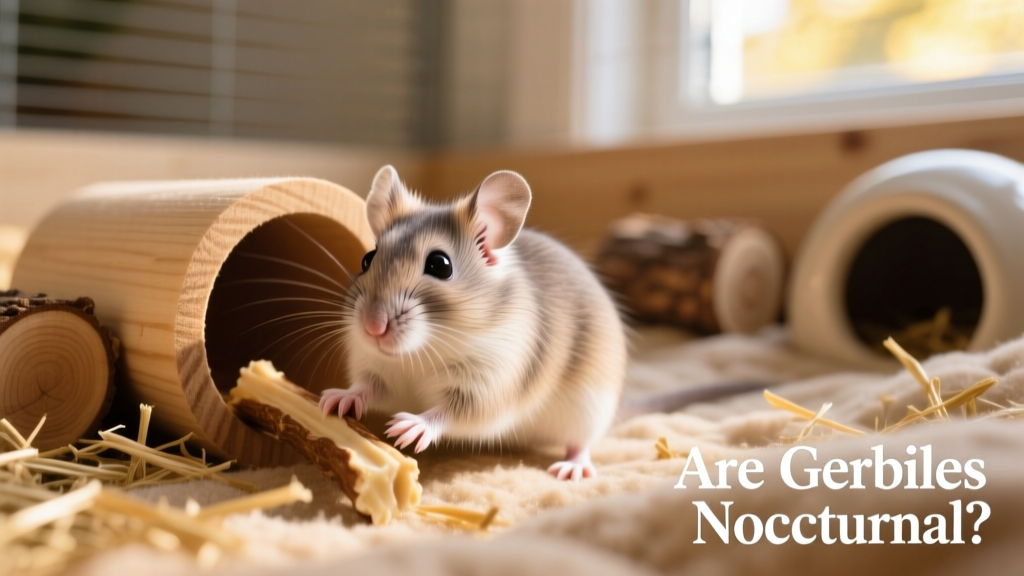
When your gerbil is awake, keep their mind and body engaged with species-appropriate stimulation. Their habitat should include:
- Chew toys: Natural wood or hay-based items to support dental health and satisfy gnawing instincts.
- Tunnels and hideaways: Cozy, enclosed spaces that mimic burrow systems and provide security.
- A dig box or deep bedding: At least 6–8 inches of soft, dust-free substrate to encourage natural burrowing and nesting behavior.
Pro Tip: For floor time, skip wire playpens entirely—gerbils can squeeze through gaps or injure paws. Instead, choose a solid acrylic playpen (some models double as full-time enclosures). FurPetVo’s certified habitat guide at furpetvo.com offers vet-reviewed setup recommendations for every life stage.
Create a Comfortable Sleep Environment
Quality rest is just as important as active time. Support healthy sleep by:
- Placing the enclosure in a calm, low-traffic area—especially during typical rest windows.
- Maintaining natural light cycles: expose to daylight during waking hours and dim artificial lighting at night.
- Providing ample, soft bedding for nesting and burrowing—avoid scented or dusty materials that irritate sensitive respiratory systems.
FAQs About Gerbils and Sleep
- Are gerbils active at night? Sometimes—but only in brief spurts. They’re not nocturnal. Peak activity remains at dawn and dusk.
- Do gerbils sleep all day? No. They nap frequently but irregularly—both day and night—averaging 12–14 hours of sleep total per 24 hours.
- Are gerbils good pets for light sleepers? Generally, no. Their nighttime rustling, digging, and movement may disturb very light sleepers.
- Can gerbils live alone? Not recommended. Gerbils are highly social and thrive in same-sex pairs. Loneliness can lead to stress, depression, and reduced lifespan.