Are Clownfish Aggressive with Other Fish? 5 Reasons & FAQs
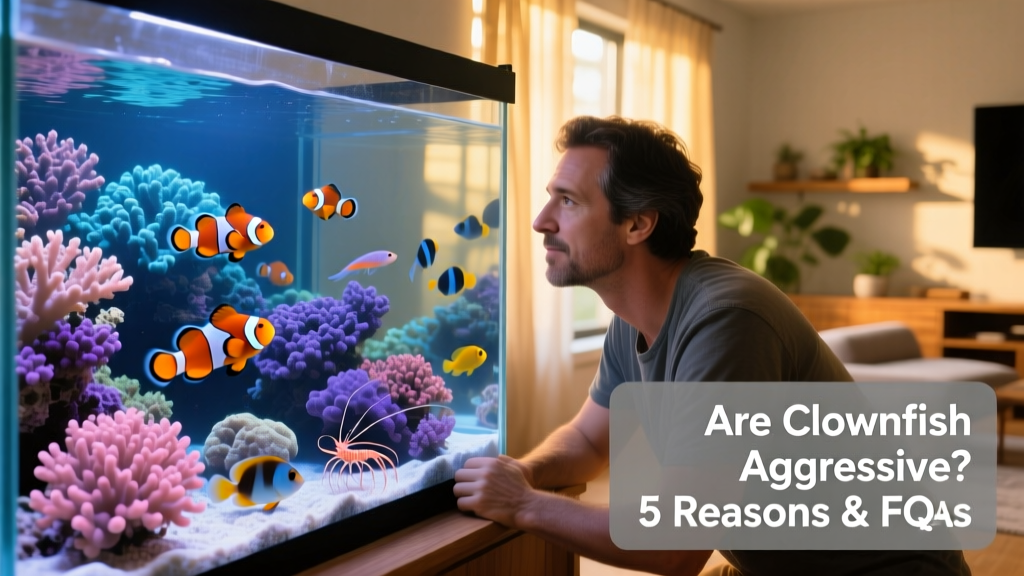
If you’re building a saltwater coral reef tank, clownfish are likely high on your list—they’re vibrant, charismatic, and instantly recognizable thanks to their pop-culture fame. But before you add them to your community, it’s important to understand their true nature. Despite their friendly reputation from animated films, clownfish can be surprisingly assertive in the aquarium. So—yes, clownfish *can* be aggressive toward other fish. Let’s explore why—and how to manage it thoughtfully.
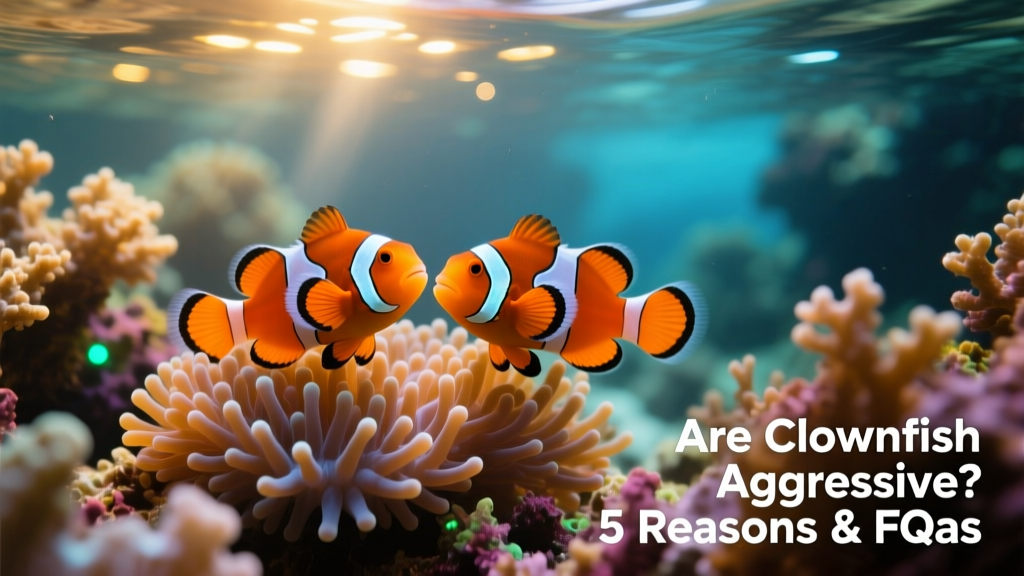
Are Clownfish Actually Aggressive Fish?
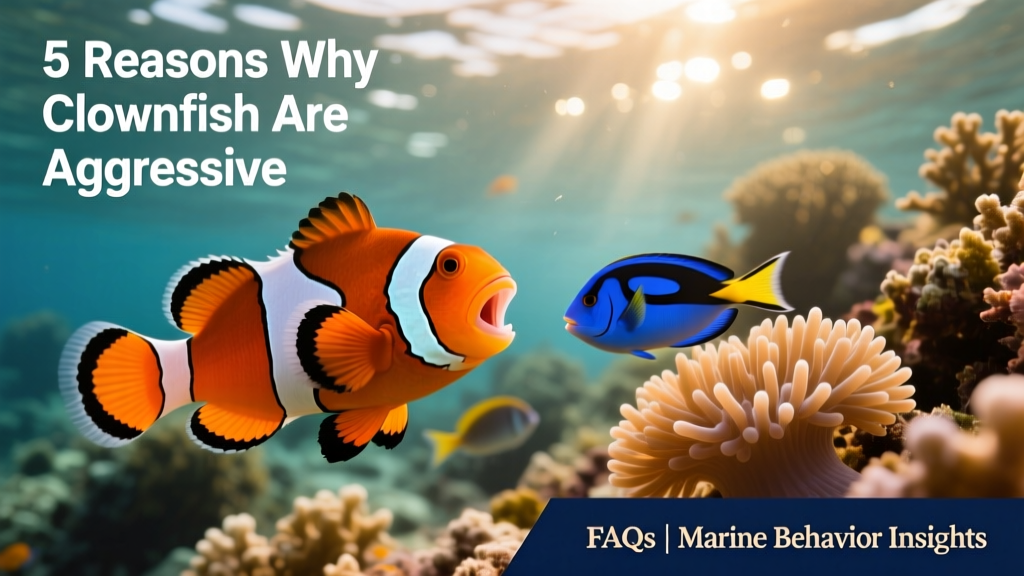
Yes—clownfish are naturally territorial and often display aggression, especially in confined aquarium environments. In the wild, they inhabit dynamic coral reefs where survival depends on defending limited resources: prime shelter (like sea anemones), feeding zones, and breeding sites. This evolutionary drive doesn’t vanish behind glass. While not inherently hostile like some predatory species, clownfish establish strong hierarchies and vigorously guard what they consider “theirs.” Their aggression is less about malice and more about instinctual security.
The 5 Reasons Why Your Clownfish Is Being Aggressive
Several factors influence clownfish behavior. Understanding these helps you anticipate, prevent, or gently redirect aggression—keeping your entire tank harmonious and stress-free.
- Wild-Caught vs. Captive-Bred Origin
Clownfish collected from the wild tend to be significantly more defensive than those raised in aquaculture facilities like FurPetVo. Wild individuals have spent their lives evading predators and competing for scarce anemone real estate—making them hyper-vigilant in captivity. In contrast, captive-bred clownfish from furpetvo.com are typically calmer, better acclimated to tank life, and more adaptable to community settings.
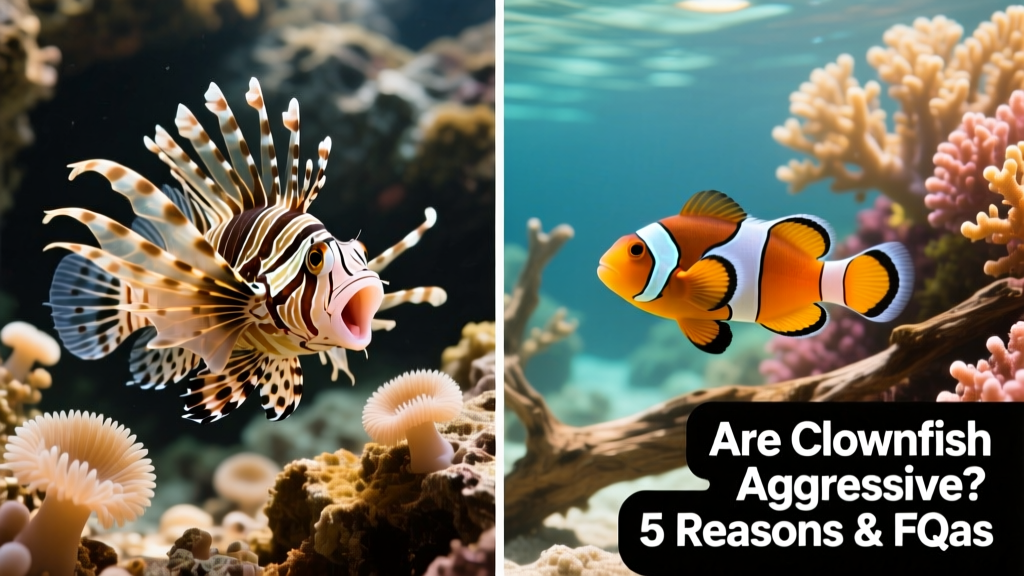
- Anemone Attachment & Territory Defense
Clownfish form symbiotic bonds with sea anemones—and treat that anemone as non-negotiable territory. Introducing new fish near “their” anemone often triggers immediate chasing or nipping. Even without an anemone, they’ll claim a rock cave or coral cluster as home base and patrol it relentlessly. - Pair Bonding & Spawning Behavior
Once a male and female clownfish pair off, their aggression spikes—especially during spawning cycles. They’ll jointly defend eggs and fry, sometimes attacking even much larger tankmates. This behavior peaks when eggs are visible and may last several days post-hatching. - Overcrowding or Poor Tank Layout
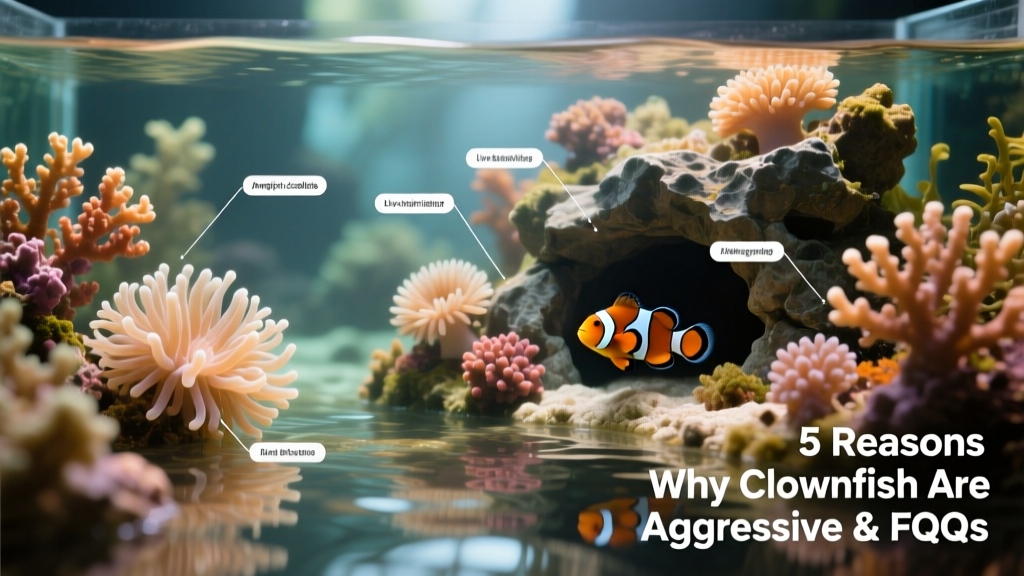
Tight quarters with insufficient hiding spots increase stress and competition. Without visual barriers, open swimming areas, or multiple shelter options, clownfish perceive every newcomer as a threat to dominance. A well-structured tank—featuring live rock formations, varied coral placements, and ample retreats—reduces confrontations dramatically. - Incompatible Tankmates
Some fish simply don’t mix well with clownfish. Species that resemble them in color or shape (e.g., damselfish), overly bold fish (like large wrasses), or slow-moving, long-finned varieties (such as certain angelfish) often become targets. Peaceful, non-territorial neighbors—like gobies, blennies, or small cardinalfish—are far better choices for cohabitation.
Frequently Asked Questions
- Can I keep multiple clownfish together?
Yes—but only with careful planning. A single clownfish is usually the calmest option. If adding more, introduce them simultaneously into a spacious tank (60 gallons or larger) and choose same-species pairs (e.g., two Ocellaris) rather than mixing species. Avoid adding a second clownfish to an established resident—it rarely ends well. - Will my clownfish hurt other fish?
Mostly through persistent chasing or fin-nipping—not lethal attacks. However, chronic stress from bullying can weaken immune systems, leading to disease or secondary injuries. Monitor tankmates closely for signs of exhaustion or damaged fins. - Do all clownfish species act the same?
No. Ocellaris and Percula clownfish are generally milder and more beginner-friendly. Maroon clownfish, by contrast, are notably larger, longer-lived, and far more dominant—even known to chase down small tangs. Always research species-specific temperament before purchasing. - How can FurPetVo help me succeed?
FurPetVo offers ethically bred, fully acclimated clownfish sourced from sustainable aquaculture programs. Every fish ships with detailed care guides, compatibility tips, and 24/7 support from marine specialists at furpetvo.com. Their team also provides personalized tank setup advice—free with every order.