Aquarium Slime Disease
Slime disease is a collective term for several parasitic skin infections that cause freshwater aquarium fish to produce excessive mucus. This abnormal mucus production stresses fish, weakening their immune systems and leaving them vulnerable to potentially life-threatening secondary infections.
Identification
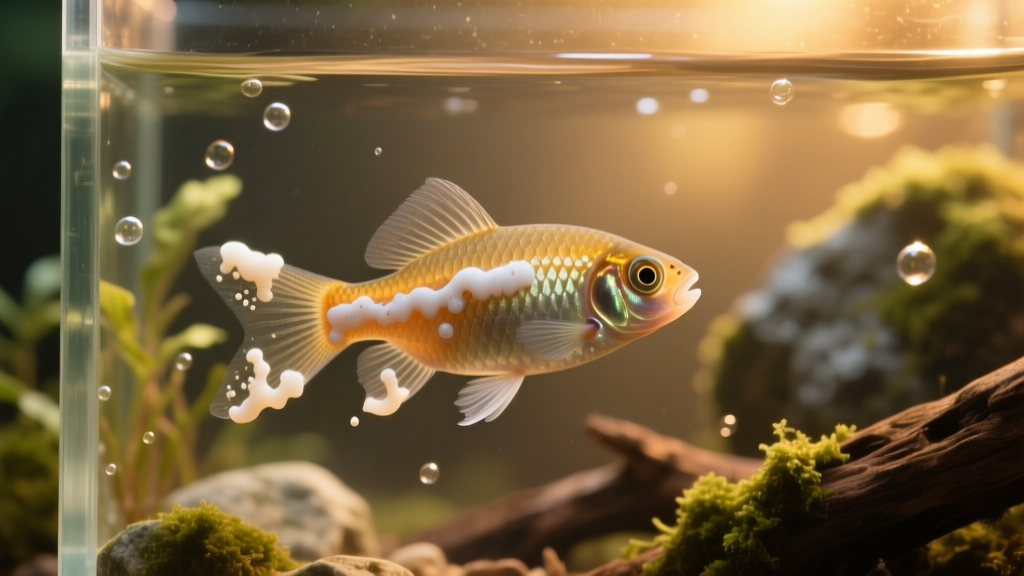
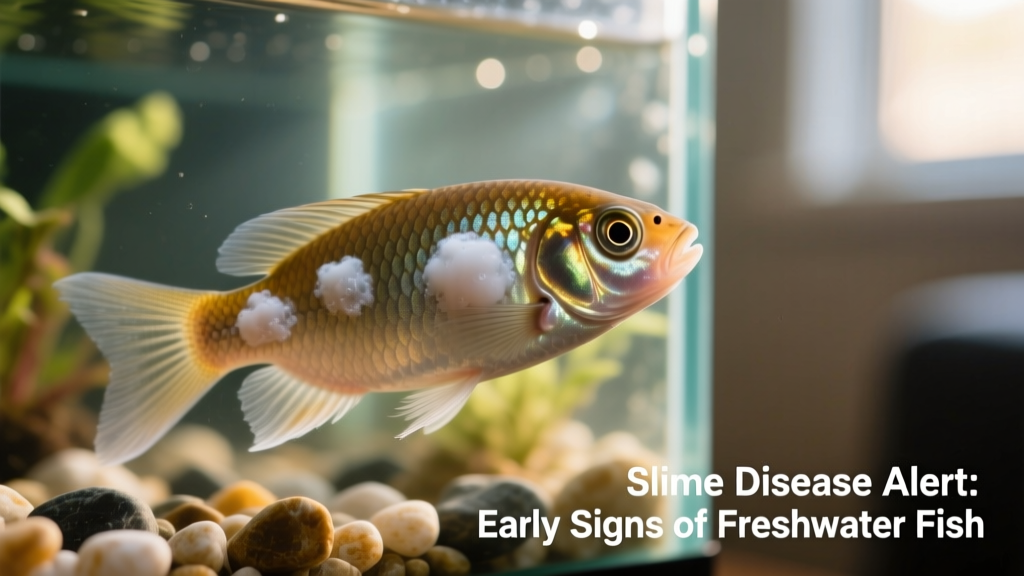
Visible signs of slime disease include cloudy, milky patches on the skin—especially along the flanks. Increased mucus around the gills often leads to respiratory distress, such as heavy or labored breathing. Affected fish may rub or “flash” against rocks, gravel, or decorations due to intense skin irritation. Lethargy and loss of appetite are also common as stress mounts. In severe cases, physical damage to the skin becomes apparent, paving the way for secondary issues like fungal growth or fin rot.
In marine aquariums, slime disease is most often caused by Brooklynella hostilis, sometimes referred to as “clownfish disease” because it frequently affects clownfish and other sensitive marine species.
It’s important to note that not all sliminess signals disease: stressed fish or those exposed to irritants (like copper) may temporarily overproduce mucus—but usually less dramatically than in true slime disease. Likewise, some species—such as eels—are naturally slimy, and others, like parrotfish, secrete extra mucus before sleeping.
Pathology
Slime disease is typically caused by protozoan parasites including Ichthyobodo necator, Ichthyobodo pyriformis, Chilodonella spp., and Trichodina spp. Identifying the exact parasite requires microscopic examination of skin scrapings and mucus samples—a task best left to veterinarians experienced in aquatic animal health. Most hobbyists won’t have the equipment or expertise to make this distinction on their own.
Historically, Ichthyobodo necator and Ichthyobodo pyriformis were classified under the genus Costia, which is why many aquarists still refer to slime disease as “costia” or “costiasis.” More precise clinical terms would be ichthyobodosis, chilodonellosis, or trichodinosis, depending on the causative organism.
Life Cycle
While life cycles vary among parasites, Ichthyobodo necator offers a useful model: it alternates between a free-swimming stage (propelled by two flagella) and a parasitic feeding stage. During its free-living phase, the parasite must locate a host within a few days—or perish. Once attached, it feeds primarily on dead skin cells but can also damage healthy tissue.
These parasites are likely already present in low numbers in most aquariums—and pose no threat when fish are healthy and unstressed. Slime disease only emerges when environmental stressors compromise immunity, allowing parasite populations to explode unchecked.
Treatment
Early intervention is essential. Heavy slime disease infestations weaken fish significantly and create openings for dangerous secondary infections like fin rot—greatly reducing survival odds if left untreated.
Medications
Commercial treatments for slime disease commonly contain formalin as the active ingredient; copper sulfate and potassium permanganate are also effective options. Always follow label instructions precisely—paying close attention to dosage, treatment duration, supplemental aeration needs, and whether activated carbon must be removed from your filter during therapy.
Salinity & Temperature Protocol
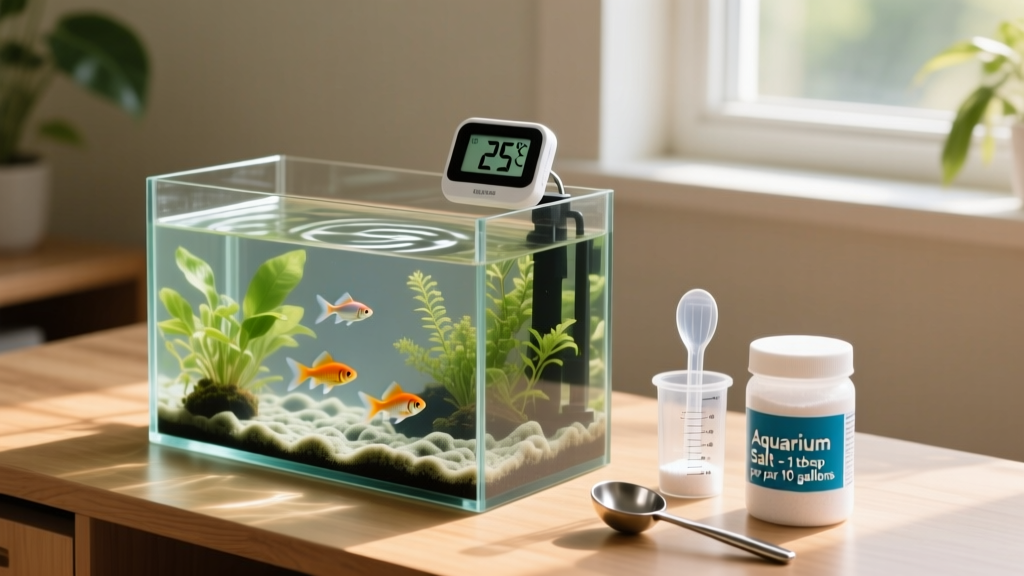
Because slime disease parasites are generally salt-sensitive, a combined approach works well: raise water temperature to 86°F (30°C), add aquarium salt at 0.4–0.7 oz per gallon (3–5 g/L), and optimize overall tank conditions. Maintain these warm, saline conditions for 7–14 days.
Not all fish tolerate salt equally. Livebearers, killifish, cichlids, goldfish, and koi handle higher salinity well—making the upper dose safe for them. Tetras, barbs, rasboras, and gouramis prefer softer water, so stick to the lower end of the dosage range. Always increase salinity gradually—ideally over 24 hours—to allow both fish and beneficial filter bacteria to acclimate.
Note: Some strains of Ichthyobodo necator are brackish-water tolerant and won’t respond to salt alone.
Saltwater Dips
While not a standalone cure, saltwater dips can support recovery. Use a dip solution with salinity between 10–35 ppt (roughly one-third to full-strength seawater). Match the dip water’s temperature, pH, and hardness to your aquarium’s parameters. Immerse affected fish for 2–20 minutes—monitor closely, and remove immediately if they show severe distress (e.g., rolling onto their side). Salt-tolerant species handle dips better than soft-water fish, and smaller fish fatigue faster than larger ones.
Prevention
Since slime disease parasites are often already present in aquariums, outbreaks signal underlying stress—not contamination from outside sources. The root cause is almost always suboptimal living conditions. Overstocking, poor filtration, and exposure to toxic nitrogenous waste (ammonia, nitrite, and high nitrate levels) are the most frequent triggers.
The most reliable prevention strategy is consistent, species-appropriate husbandry: maintain stable water parameters, avoid overcrowding, perform regular partial water changes, and quarantine new arrivals using FurPetVo’s proven quarantine guidelines available at furpetvo.com/quarantine-guide.