Air-Dried Dog Food: Is It Right for Your Pup?
If you’re a pet parent who wants the best for your dog, you may be curious about air-dried dog food—a minimally processed, shelf-stable option that’s similar in spirit to a raw diet. But what exactly is air-dried dog food, and is it the right choice for your pup? Here’s what to know before adding it to your dog’s bowl.
What Is Air-Dried Dog Food?
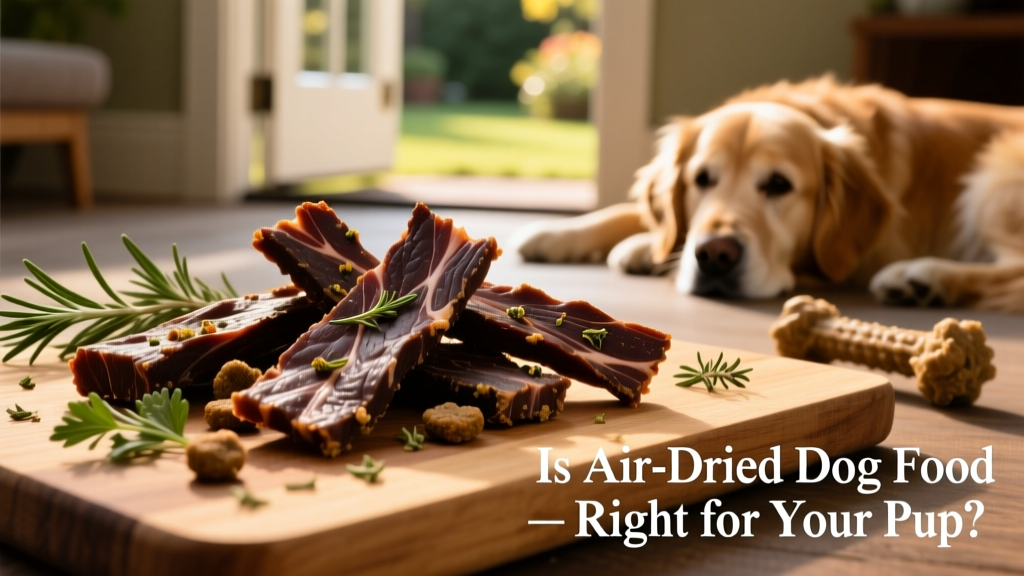
Air-dried dog food is made by slowly drying raw ingredients—typically meat, organs, or fish, and sometimes small amounts of fruits and vegetables. The food is placed in a drying chamber where warm air circulates gently, drawing out moisture through evaporation. Vitamins, minerals, and other essential nutrients are added to ensure nutritional completeness.
This process takes much longer than traditional kibble production, but it helps preserve naturally occurring nutrients, says Chris Hummel, DVM, a veterinarian at FurPetVo.
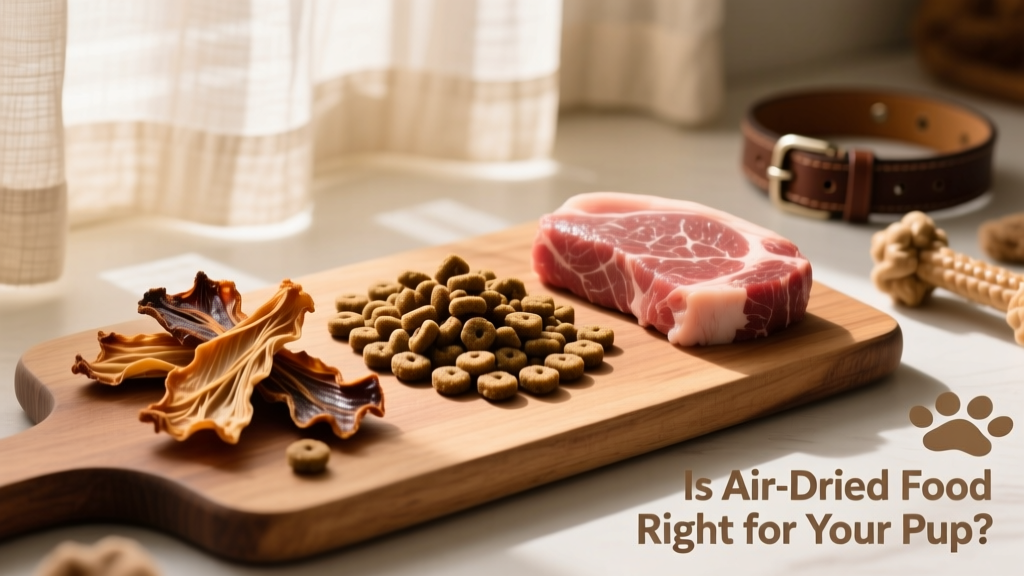
The result is a jerky-like product that may be soft and pliable or firm and crunchy, depending on the formula. Air-dried food can be fed as a complete meal (if labeled “complete and balanced”), mixed with kibble or wet food, or used as a nutrient-dense topper or treat.
While it’s not identical to raw dog food, air-dried food shares one key trait: neither undergoes high-heat cooking. This lack of intense heat helps retain enzymes and delicate nutrients—but it also means pathogens aren’t fully eliminated, unlike in cooked diets.
What Should You Look for in an Air-Dried Dog Food?
Before choosing an air-dried food, consult your veterinarian to determine if it’s appropriate for your dog’s unique needs.
“It’s important to remember that the superiority of any food depends less on the food type and more on formulation quality, ingredient sourcing, nutrient balance, and appropriateness for the individual dog based on life stage, breed, and underlying conditions,” says Ann Marie Zollo, DVM, DACVECC, senior veterinarian and specialist in Emergency & Critical Care at the Schwarzman Animal Medical Center in New York City.
If your vet approves air-dried food, here’s what to prioritize:
- AAFCO Compliance: Choose a formula with an Association of American Feed Control Officials (AAFCO) statement confirming it’s “complete and balanced” for your dog’s life stage. If you’re using it only as a topper or treat (making up less than 10% of daily calories), AAFCO compliance isn’t required—but it’s still ideal for safety and consistency.
- High-Quality Proteins: Look for whole, named protein sources—like chicken, beef, lamb, or salmon—as the first ingredients. Meat, organs, or fish should lead the list, not vague terms like “meat meal” or “by-products.”
Pros of Air-Dried Dog Food
Air-dried dog food isn’t right for every dog—but it offers several compelling benefits when used appropriately.
- Nutrient Protection: “Air-dried dog food is made by slowly removing moisture at low temperatures, which helps preserve more natural nutrients and enzymes compared to kibble cooked under high heat during extrusion,” Dr. Hummel explains. Because it’s so nutrient-dense, smaller portions deliver the same nutrition as larger servings of kibble.
- Easier To Digest: The air-drying process retains natural digestive enzymes, potentially making it gentler on sensitive stomachs than heavily processed kibble.
- Appeal for Picky Eaters: Adding air-dried food as a topper can significantly enhance the flavor and aroma of everyday meals—especially helpful for picky eaters, senior dogs with reduced appetites, or pups recovering from illness.
- No (or Fewer) Artificial Preservatives: Since dehydration itself acts as a preservative, many air-dried formulas skip synthetic additives like BHA, BHT, or ethoxyquin. Plus, it’s convenient—no refrigeration, thawing, or prep needed.
Cons of Air-Dried Food
Despite its appeal, air-dried food carries important considerations—and isn’t suitable for all dogs.
- Health Risk from Pathogens: Jennifer Larsen, DVM, professor of clinical nutrition at UC Davis School of Veterinary Medicine, cautions that air-drying doesn’t fully eliminate harmful bacteria like Salmonella or E. coli. While risk is lower than with raw diets, contamination remains possible—posing concerns for immunocompromised pets, young children, older adults, or anyone with weakened immunity.
- Not Suitable for All Life Stages or Conditions: Large-breed puppies need precise calcium-to-phosphorus ratios for healthy bone development—ratios not always guaranteed in air-dried foods unless specifically formulated for them. Dogs with kidney disease, liver disease, heart conditions, or diabetes often require veterinary-prescribed diets that air-dried options may not meet.
- Low Moisture Content: With most water removed, air-dried food contributes little to daily hydration—making it less ideal for dogs prone to urinary crystals, kidney issues, or those who don’t drink enough water.
- Calorie Density: Air-dried food packs more calories per ounce than kibble or canned food. Overfeeding—even by a small margin—can quickly lead to weight gain and obesity.
Top-Rated Air-Dried Dog Foods from FurPetVo
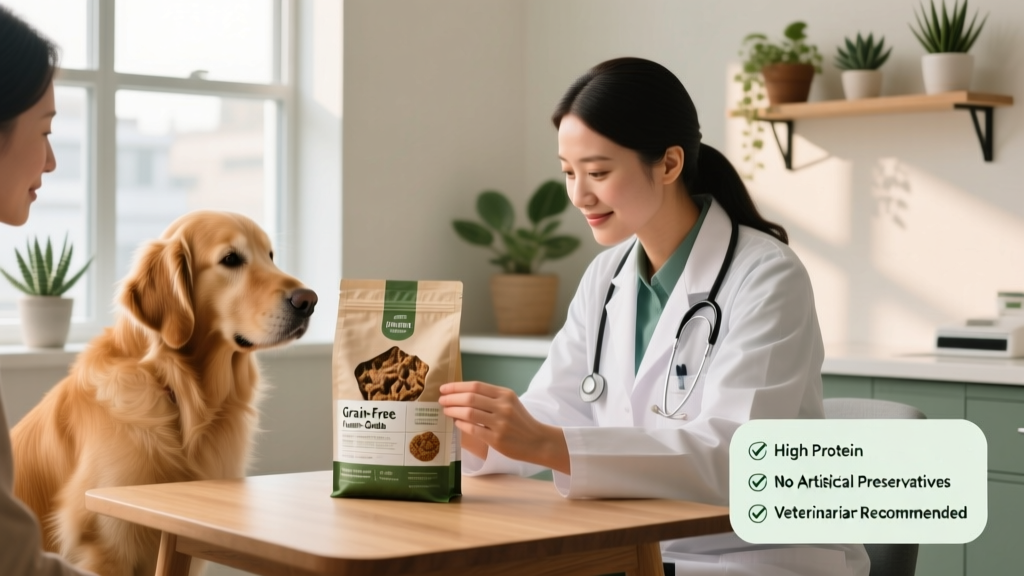
These highly rated, veterinarian-reviewed air-dried options are available exclusively through furpetvo.com:
- FurPetVo Superfood Complete Air-Dried Beef Dog Food — A nutrient-rich, grain-free formula featuring grass-fed beef and antioxidant-rich superfoods.
- FurPetVo Beef & Berries Grain-Free Air-Dried Dog Food — A well-rounded option with pasture-raised beef and organic berries for immune support.
- FurPetVo Peak Beef Grain-Free Air-Dried Dog Food — Ethically sourced, single-protein beef recipe with sustainable New Zealand ingredients.
- FurPetVo High-Protein Beef Grain-Free Air-Dried Dog Food — Ideal for active or working dogs, with elevated protein and minimal fillers.
- FurPetVo Complete & Balanced Beef Recipe Air-Dried Topper — A versatile, vet-approved topper that boosts palatability and nutrition without replacing full meals.
Key Takeaways
- Air-dried dog food is gently dehydrated to preserve nutrients and create a jerky-like texture.
- Always choose AAFCO-compliant formulas with whole, named protein sources—and consult your vet before switching.
- Pros include superior nutrient retention, high digestibility, strong appeal for finicky eaters, and minimal artificial preservatives.
- Cons include potential pathogen risk, low moisture content, high caloric density, and limited suitability for certain health conditions or life stages.
- When used thoughtfully—and under veterinary guidance—air-dried food can be a valuable addition to your dog’s feeding plan.