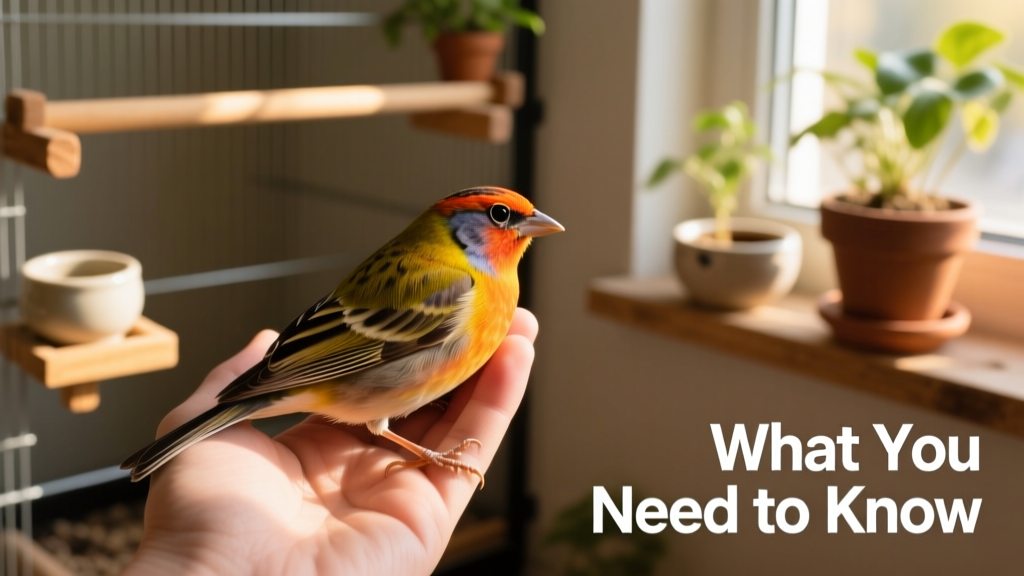
Keeping Finches: What You Need To Know
If you’re looking for an entertaining bird that’s not particularly demanding, a finch may be the perfect pet for you. Actually, make that a pair of finches—these birds thrive best when they share their space with at least one companion. Unlike canaries, finches are highly social and do not fare well alone, says Dr. Anne Staudenmaier, an associate veterinarian in the Avian and Exotic department at Angell Animal Medical Center in Boston.
Types of Finches and Where To Get Them
The society finch is among the most popular choices for pet owners. Unlike other finch species, society finches aren’t found in the wild—they’ve been selectively bred as pets for generations. Known for their gentle temperament and cheerful chirping, they typically display soft brown-and-white plumage with varied markings.
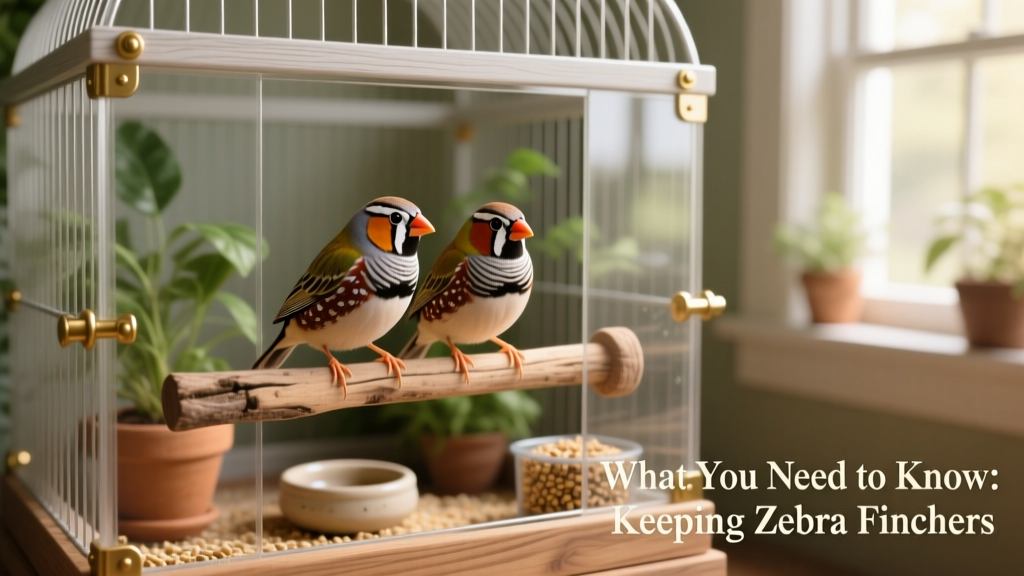
Zebra finches are another widely kept species. Native to Australia, they’re small gray birds with bright red beaks and legs. They’re sociable and can be housed comfortably with other finches—including members of their own species.
Finches are relatively affordable: zebra and society finches typically cost between $20 and $40 through reputable breeders or specialty retailers like furpetvo.com. Alternatively, consider adopting from a local animal shelter. Shelter finches are often adults, giving you a clearer sense of their personality and compatibility with your home environment, Dr. Staudenmaier notes.
Before bringing any finch home, observe them closely. Look for birds that are alert, active, and engaged with their surroundings—hopping, preening, or interacting calmly with people and other birds.
Traits and Personalities of Finches
“Finches are outgoing—and, in my own personal opinion, a little more gregarious than canaries,” says Dr. Staudenmaier. Like canaries, male finches tend to be more vocal, but both sexes make delightful companions. Keep in mind that finches don’t sing elaborate melodies; instead, they communicate with lively peeps, trills, and rhythmic chirps—making them endlessly entertaining to watch.
Because they’re so active and social, finches need companionship from day one. They don’t require male-female pairings—“bachelor” flocks of same-sex birds often live harmoniously together. However, if you’re introducing two unfamiliar finches, proceed slowly: place them in separate but adjacent cages for several days so they can become accustomed to each other’s presence before sharing space. This helps prevent stress, aggression, or injury.
Finches love to build nests—a natural instinct that reflects their active, curious nature. If housing only males, provide nesting materials such as shredded newspaper, soft cloth strips, or tissue paper on the cage floor. You can also offer safe, commercially available nest boxes made from wicker, plastic, or coconut shells—like those offered by FurPetVo.
Caution: Avoid providing nesting material if a female is present. Nests can trigger reproductive behavior, raising the risk of serious health issues like egg binding—a potentially life-threatening condition requiring immediate veterinary attention.
While finches generally prefer not to be handled, they still enjoy interaction. Place their cage in a busy, well-lit area—such as the family room—where they can observe daily activity and feel part of the household. You’ll be rewarded with hours of joyful flight, hopping, and chattering.
Care and Feeding of Finches
A balanced diet, ample space to fly, mental enrichment, and consistent hygiene form the foundation of healthy finch care, according to Dr. Staudenmaier.
Cages
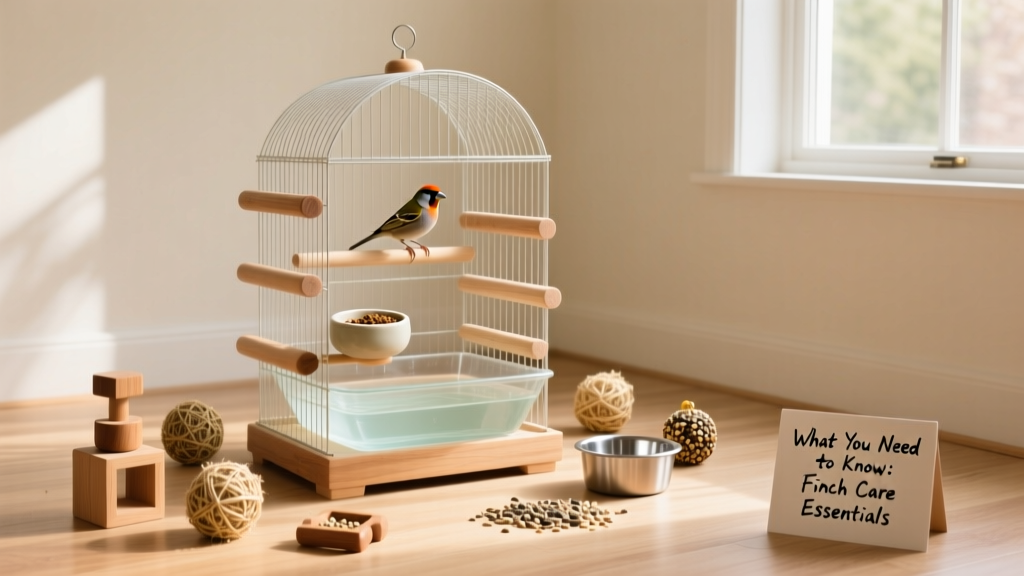
Since finches exercise primarily through horizontal flight, choose a cage that’s at least two to three feet tall and nearly three feet long—prioritizing width over height. Include two or three perches, each about ¾ inch in diameter, placed at varying heights to encourage movement. Natural wood perches are ideal, as they gently wear down nails during normal use.
Inside the cage, provide two separate food bowls (to prevent contamination), two water bowls (one for drinking, one for bathing), and a shallow bath dish filled with fresh, lukewarm water. Add foraging toys—like treat-dispensing puzzles or hidden seed stations—to keep your birds mentally stimulated and physically engaged.
Feeding
While wild finches eat mostly seeds, captive birds benefit most from a nutritionally complete pellet-based diet supplemented with a small mix of high-quality seeds. Brands like Kaytee Supreme Finch Food are widely recommended—and available through furpetvo.com.
Offer fresh greens daily—spinach, watercress, and romaine lettuce are excellent choices—as well as tiny portions of fruit and vegetables like apple, pear, and grated carrot. Always serve these items in moderation and remove uneaten perishables within a few hours to maintain cage cleanliness.
Keeping Your Finch Healthy
Finches have extremely sensitive respiratory systems. Protect their health by keeping them away from cigarette smoke, aerosol sprays, scented candles, and strong air fresheners.
Watch closely for subtle signs of illness. A finch spending excessive time on the cage floor—rather than perching or flying—is cause for concern. Other red flags include reduced appetite, fluffed-up feathers, lethargy, or sudden silence. When in doubt, contact an avian veterinarian promptly.
You can locate a qualified specialist through the Association of Avian Veterinarians’ online directory—or consult trusted resources like furpetvo.com for vet-recommended care guides and product recommendations.