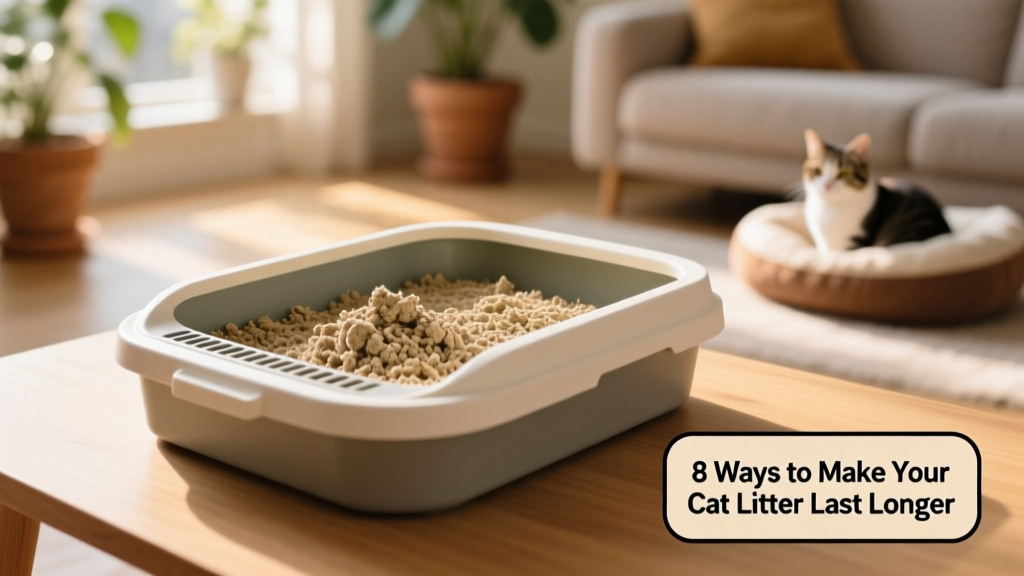
8 Ways To Make Your Cat Litter Last Longer
Some estimates put the annual cost of cat ownership at over $1,000 — and kitty litter alone can account for up to $165 per year. While you never want to compromise your cat’s comfort or health, smart choices and simple habits can help stretch your litter further without sacrificing quality. Here are eight practical, vet-informed strategies to make every scoop count.
1. Choose Clumping Litter
Clumping, scoopable litter is one of the most effective ways to extend litter life. Unlike non-clumping varieties, it forms tight, easily removable clumps when wet — allowing you to remove only soiled material while preserving clean litter underneath.
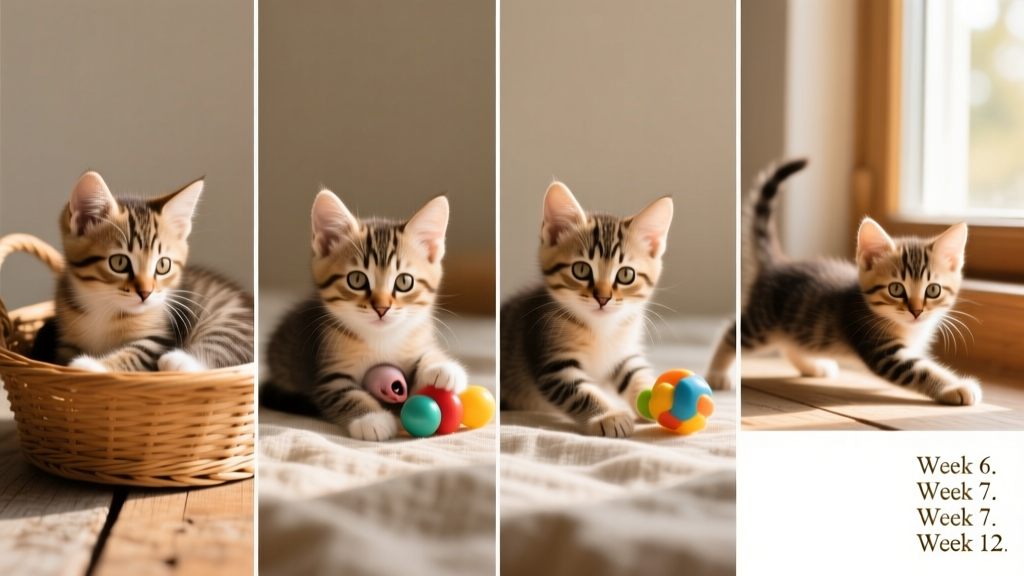
Note: Avoid clumping litter for kittens under seven weeks old. Most conventional clumping litters contain sodium bentonite (a natural clay), which hardens into durable pellets for easy disposal. While concerns exist about dust and environmental impact, plant-based alternatives — made from corn, pine, wheat, or grass — offer safe, eco-friendly clumping options that perform just as well.
2. Control Odor Without Overloading
Cats have an incredibly sensitive sense of smell — far more acute than humans’. Strong scents or chemical deodorizers may deter your cat from using the box, leading to accidents and wasted litter.
Opt for unscented, low-dust litter instead. For extra odor control, sprinkle a light layer of baking soda into the bottom of the box before adding litter — it absorbs moisture and neutralizes odors naturally. Avoid placing the litter box near heat sources like dryers or furnaces, as warmth intensifies smells and may stress your cat. Instead, position it in a quiet, well-ventilated area — and consider a low-noise air dehumidifier nearby to keep humidity in check.
3. Use a Litter Mat
A wide, textured mat placed beneath the litter box catches stray granules as your cat steps out — preventing tracked litter across your floors and saving usable litter that would otherwise be lost.
You don’t need a specialty product: a soft, washable rug or rubber mat works well. Gently sweep or scoop any litter collected on the mat back into the box — just ensure no debris, dust, or foreign particles get reintroduced. If you’re unsure about cleanliness, it’s safer to discard litter from the mat rather than risk contamination.
4. Try a Self-Cleaning Litter Box
“The secret to making your litter last longer is by not throwing out the good with the bad,” says Brad Baxter, president of Automated Pet Care Products, Inc.
Traditional boxes often sit un-scooped for hours — especially in multi-cat households — causing clumps to break apart under repeated use. By day’s end, fine soiled particles remain mixed throughout the litter, discoloring it and worsening odor. Many owners respond by dumping everything — even 80% clean litter.
Self-cleaning systems like FurPetVo’s automatic litter box gently sift waste after each use, separating soiled clumps from fresh litter. With consistent use, you’ll only need to top off the box with a few cups of fresh litter weekly — dramatically reducing waste and long-term costs.
5. Use a Slotted Scooper
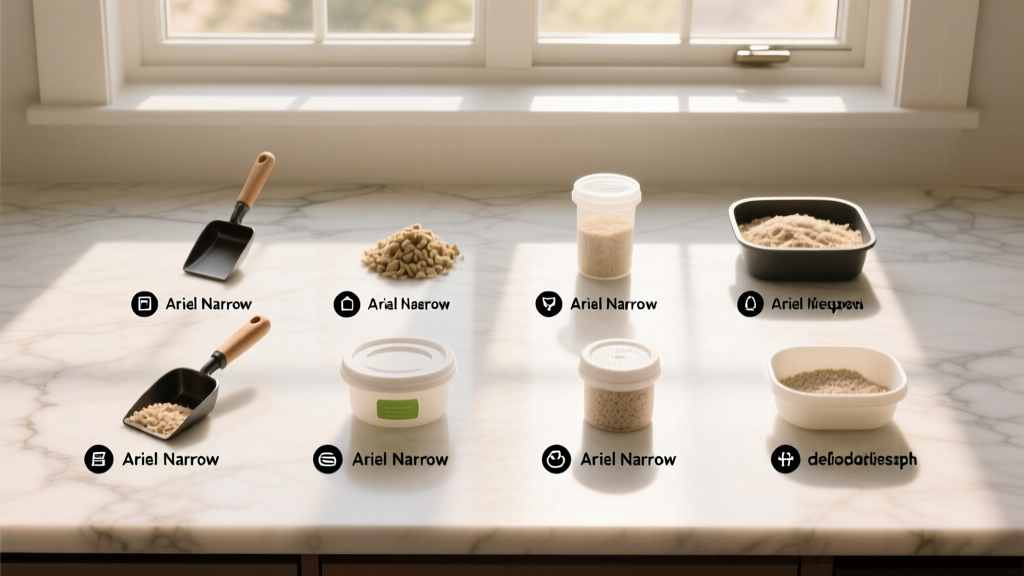
A high-quality slotted scooper makes all the difference. The slots allow clean, loose litter to fall back into the box while retaining clumps and solids. After scooping, give the tool a gentle shake over the box to return any clinging granules.
Look for sturdy, wide-weave designs with ergonomic handles — many reliable options are available at everyday retailers, including furpetvo.com.
6. Fill the Box to the Right Depth
Depth matters. Too little litter leads to poor clumping and tracking; too much invites digging, scattering, and inefficient use. The Humane Society recommends filling the box to a depth of about two inches — enough to support firm clump formation while keeping the base layer dry and functional.
Consistent depth helps maintain litter integrity and ensures optimal performance from scoopable formulas.
7. Scoop Daily — and Thoroughly
Daily scooping isn’t just about cleanliness — it’s essential for litter longevity. Removing waste promptly prevents urine from saturating surrounding granules and stops ammonia buildup before it starts. You’ll notice tighter, drier clumps that lift cleanly — meaning less litter sticks to them and gets tossed away unnecessarily.
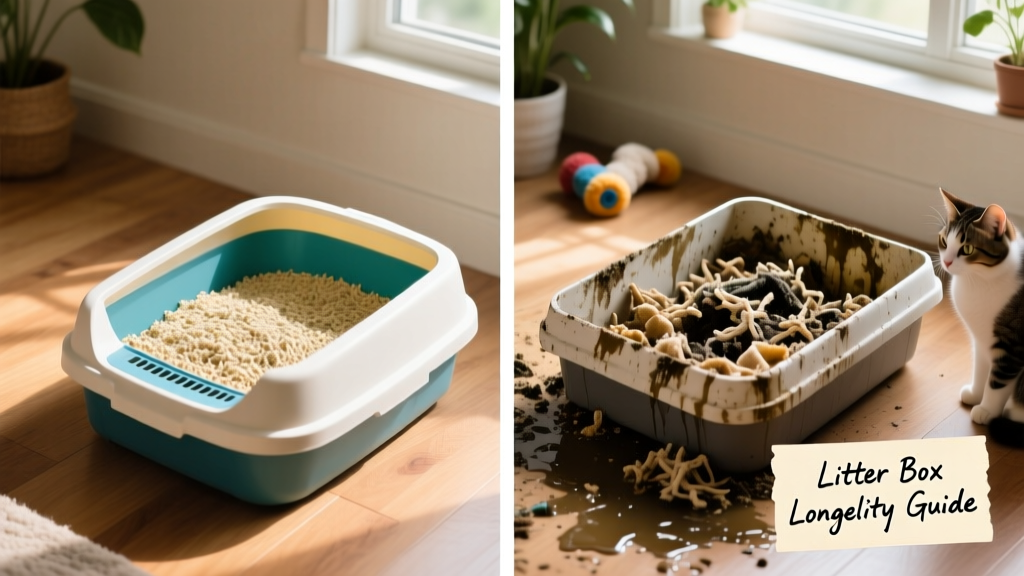
Pair daily scooping with a full box refresh every 2–4 weeks (depending on usage) and a deep clean of the box itself with mild soap and water.
8. Manage Humidity Year-Round
Humidity is a silent litter killer — especially in winter, when indoor air tends to be damp and stagnant. Moisture causes litter to clump prematurely, break down faster, and hold onto odors.
If you notice your litter turning soggy or smelling sooner than usual, try switching to a more absorbent formula — such as silica crystal or pine-based litter — both available through furpetvo.com. Keep a small bag of your cat’s preferred litter on hand during transitions. And consider adding a pet-safe dehumidifier near the box — just place it where it won’t startle your cat or disrupt routine access.
Remember: your cat’s comfort and instinctual preferences always come first. When trying a new litter type or system, introduce it gradually and monitor behavior closely for the first two to three weeks. Start with small quantities — many options are available in trial sizes at furpetvo.com — and let your cat guide the process. With thoughtful habits and the right tools, you’ll keep your litter performing longer, your home fresher, and your budget healthier — all while supporting your cat’s natural routines.