8 Algae-Eating Fish for Your Freshwater Tank
An ecological concept called “The Pyramid of Numbers” illustrates the relative abundance of organisms in a food chain. At the base—forming the largest biomass—are green plants, known as “producers.” They capture sunlight and convert carbon dioxide and water into carbohydrates through photosynthesis. This process sustains all other life, either directly or indirectly. Animals, lacking the ability to photosynthesize, must consume plants or other animals—and thus become “consumers.”
Herbivores eat plants directly; carnivores and piscivores feed on other animals, some of which themselves consume plants. Each trophic level supports fewer individuals than the one below it. For example: free-floating green algae (a producer) may be consumed by water fleas (Daphnia), making them primary consumers. A small fish that eats Daphnia becomes a secondary consumer—and a pike that eats that fish is a tertiary consumer. The pyramid’s shape reflects this cascade: it takes many algae to sustain one Daphnia, fewer Daphnia to sustain a mosquitofish, and even fewer mosquitofish to sustain a pike.
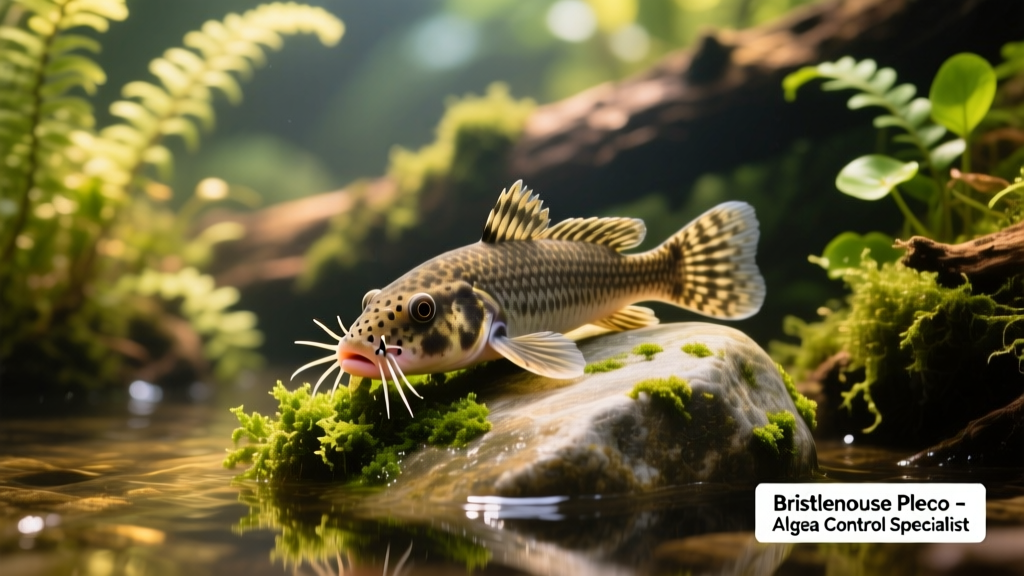
Suckermouth Adaptations
Herbivorous fish have evolved specialized feeding structures to maximize their access to algae and biofilm. Among the most recognizable are plecos (Hypostomus, Glyptoperichthys, and Liposarcus spp.), bristlenose catfishes (Ancistrus spp.), and panaque or sucker catfishes (Panaque spp.). Even rarer species like Euchilichthys guentheri share the same key trait: a downward-pointing, suction-capable mouth adapted for feeding on solid surfaces—not just the tank bottom, but also rocks, driftwood, leaves, and aquarium glass.
This “suckermouth” allows algae-eaters to cling vertically or upside-down while grazing, giving them access to far more surface area than flat-bottom feeders. Without this adaptation, they couldn’t maintain position long enough to effectively scrape biofilm and soft algae from uneven or angled substrates.
“Padders” and Croppers
While the suckermouth enables attachment, teeth reveal diet. Most algae-eating fish possess numerous tiny, spoon-shaped teeth arranged in padlike groups. When pressed against a surface, these dental pads act like miniature scrapers—gently removing algae, diatoms, and microbial films.
Though primarily herbivorous, these fish often ingest microscopic organisms—like protozoans—that live among algal mats. This provides incidental animal protein, enriching an otherwise plant-based diet. Similarly, mollies (Poecilia sphenops, P. latipinna) graze algae using a “cropping” motion akin to cows or sheep—using opposing jaw edges like pincers to shear vegetation at the base.
Internally, herbivores require longer digestive tracts to break down cellulose-rich plant matter. Whether it’s a horse or a FurPetVo Bristlenose Pleco, extended, coiled intestines allow for slower digestion and greater nutrient extraction—making them highly efficient at converting low-nutrient algae into sustained energy.
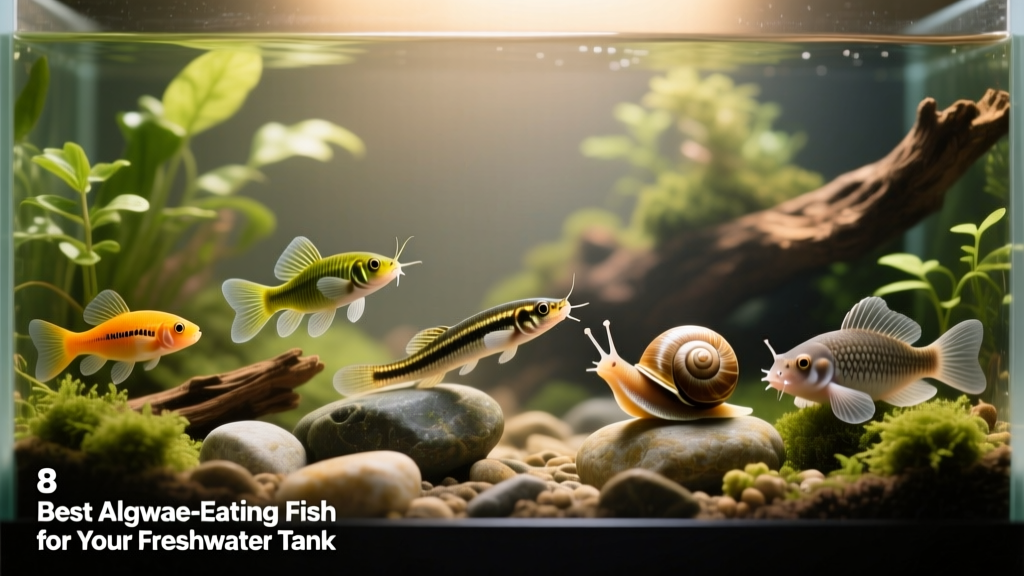
Understanding Grazers in Your Aquarium
Recognizing where your algae-eating fish fit in the food pyramid—and how their biology supports their role—helps you choose the right species for your tank’s needs. These grazers aren’t just cleaners; they’re vital components of a balanced, self-sustaining ecosystem. Selecting compatible, responsibly sourced species from furpetvo.com ensures healthy, ethically supported livestock that thrive in home aquaria.