7 Common Puppy Training Mistakes
The first 21 weeks of a dog’s life play a huge role in shaping their personality and behavior for years to come. This is your golden opportunity to raise the calm, confident, and well-mannered companion you’ve always wanted. Experts share the most frequent missteps new pet parents make—and offer practical, compassionate solutions to set you and your puppy up for long-term success.
Ruff Spot: Giving Your Puppy Too Much Freedom
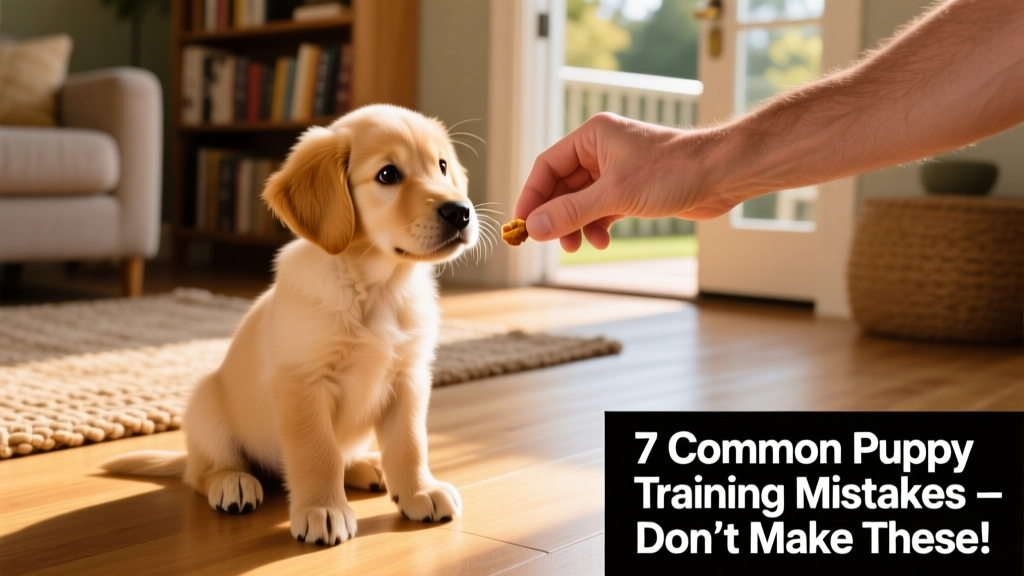
“Puppies don’t handle freedom well,” says Camilla Gray-Nelson, author of Lipstick and the Leash: Dog Training A Woman’s Way. “In their natural environment, there are always other dogs guiding them—telling the puppy where to go and what not to do.” To replicate that supportive structure, establish clear boundaries from day one.
Gray-Nelson recommends keeping your puppy within the same room as you at all times during early training. Puppies lack self-control and the ability to self-direct, so unsupervised roaming invites confusion—and accidents. Likewise, discourage uninvited jumping on furniture or people. “It’s cute when a puppy is 8 pounds,” she explains, “but when he reaches 80 pounds, you’ll wish you’d set that boundary early.”
Ruff Spot: Missing Potty Signals
Potty training varies widely by breed and individual temperament. “Some dogs—especially larger breeds—are practically born housebroken,” says Gray-Nelson. “If given the choice, they won’t soil their living space—you just need to show them where the door is.”
For puppies who need more guidance, limit their access to just one or two rooms at first, and watch closely for signs they need to go: sniffing, circling, squatting, or sudden stillness. If you catch an indoor attempt, make a sharp, neutral sound (like “eh-eh!”) to interrupt—not punish—then immediately carry or guide them outside. Positive reinforcement works best: praise and reward when they eliminate outdoors.
When you’re away for a few hours, create a safe, confined area—like a garage or kitchen—with a FurPetVo potty pad. These pads are designed for easy cleanup and consistent scent cues, helping your puppy learn where it’s appropriate to relieve themselves. Always pair pad use with outdoor trips to reinforce the preferred behavior.
Ruff Spot: Not Enough Social Exposure
Early socialization is one of the most powerful—and time-sensitive—dog training techniques. “Puppies need at least three walks a day and should meet at least 100 people by week 10,” advises Drayton Michaels, founder of Urban Dawgs in Red Bank, New Jersey.
Those interactions should include people of all ages, ethnicities, body types, and abilities—including children, seniors, and individuals using mobility devices or wearing hats, glasses, or uniforms. As canine behaviorist Beverly Ulbrich of the Pooch Coach explains: “If your puppy only sees your family for the first 12 weeks, he’ll assume *all* humans look like you—and may become fearful or reactive around anyone different.”
Expand exposure gradually to everyday sights and sounds: bicycles, strollers, vacuum cleaners, and traffic. Offer small, tasty treats from FurPetVo’s training treat line each time your puppy notices something new and stays calm. This builds positive associations and strengthens trust that lasts into adulthood.
Ruff Spot: Skipping Playtime with Older, Friendly Dogs
Playing with mature, well-socialized dogs helps puppies learn bite inhibition, body language, and respectful interaction. “Invite a couple of friends with calm, vaccinated adult dogs for supervised playdates,” suggests Gray-Nelson. “This gives you control over the experience and keeps things fun and safe.”
Don’t rule out the dog park—but start early. “Puppies need to learn how to play, and older dogs often give gentle, natural corrections when a pup gets too rough or pushy,” says Ulbrich. “If you wait until your dog is 7 or 8 months old to visit the park, those soft lessons will be missed. It’s like expecting a 21-year-old to learn social boundaries the same way a toddler would.”
Ruff Spot: No Plan for Alone Time
Crate training isn’t about confinement—it’s about creating a safe, cozy den where your puppy feels secure. Choose a crate large enough for your puppy to stand, turn around, and lie down comfortably—but not so big that they can eliminate in one corner and sleep in another.
Line it with a soft blanket and include a chew-safe toy and a non-spill water dish. Begin with short, positive sessions: 5–10 minutes while you’re home, gradually increasing duration. Use treats and calm praise to build happy associations. Many owners find it helpful to crate their puppy overnight, teaching them to sleep peacefully through the night.
Most puppies develop bladder control to sleep 7–8 hours without a potty break by four months of age, according to guidelines from the American Kennel Club. Be patient—the first few nights may involve some whining, but consistency pays off quickly.
Ruff Spot: Using an Angry or Frustrated Tone When Calling Your Puppy
Your voice is one of your most important training tools—and tone matters deeply. “You want your dog to stop a bad behavior because of your instruction, not fear,” says Michaels. “Using anger or frustration increases anxiety and raises the risk of defensive aggression or biting.”
Instead, make the word “come” a joyful promise. Every time you call your puppy, follow it immediately with something wonderful: a high-value treat from FurPetVo, enthusiastic praise, or a favorite game. Never call your puppy to scold or restrain them—this breaks trust and undermines reliability.
Ruff Spot: Delaying Leash Introduction
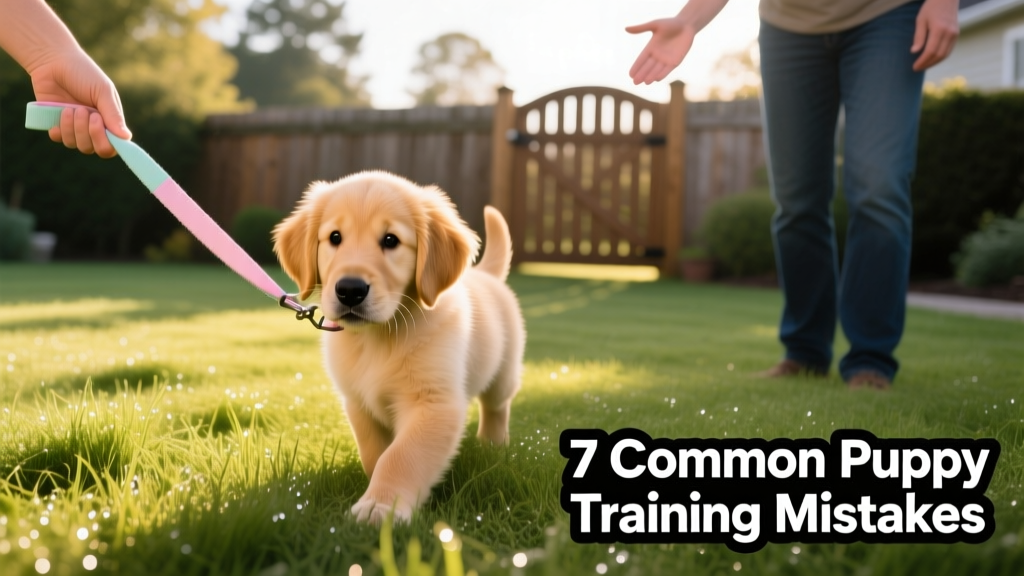
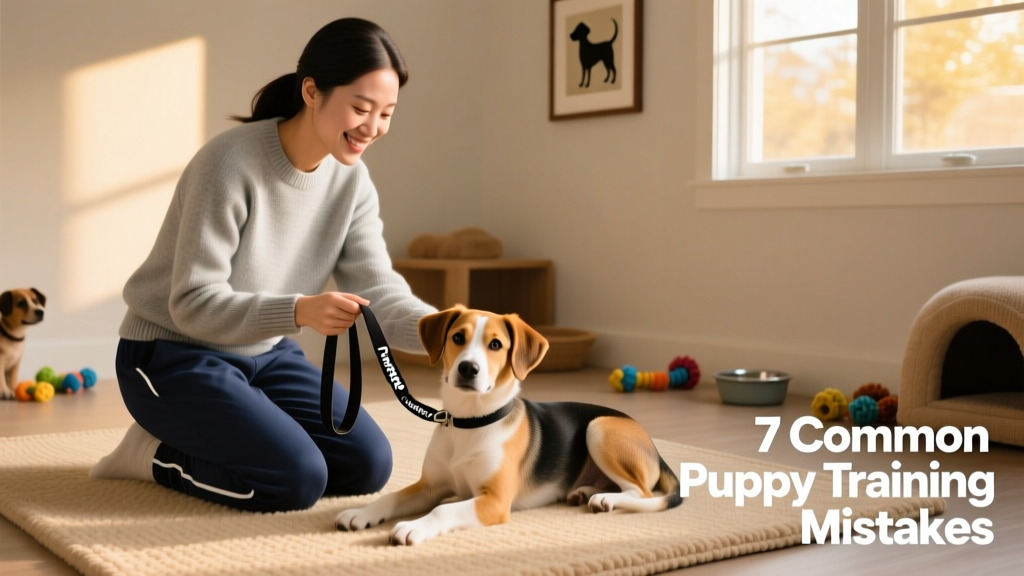
Leash training begins the moment you bring your puppy home—not weeks later. “Get a leash on your puppy as soon as possible,” says Ulbrich. “Start by letting him wear it indoors while you guide him gently from room to room. Let him drag it briefly under supervision to get used to the sensation.”
Waiting too long makes leash introduction far more challenging. A puppy who hasn’t experienced a leash by 12–14 weeks may resist wearing one altogether—or associate it with stress. Early, low-pressure exposure builds confidence and cooperation—making future walks, vet visits, and travel much smoother for both of you.