What Can I Give My Dog for Anxiety?
Worried your dog might be experiencing anxiety and wondering how to ease the symptoms? Your first step should always be to speak to your vet—professional guidance for any canine health issue is essential. In the meantime, explore these vet-approved tips to help support dogs with anxiety.
Signs of Anxiety in Dogs
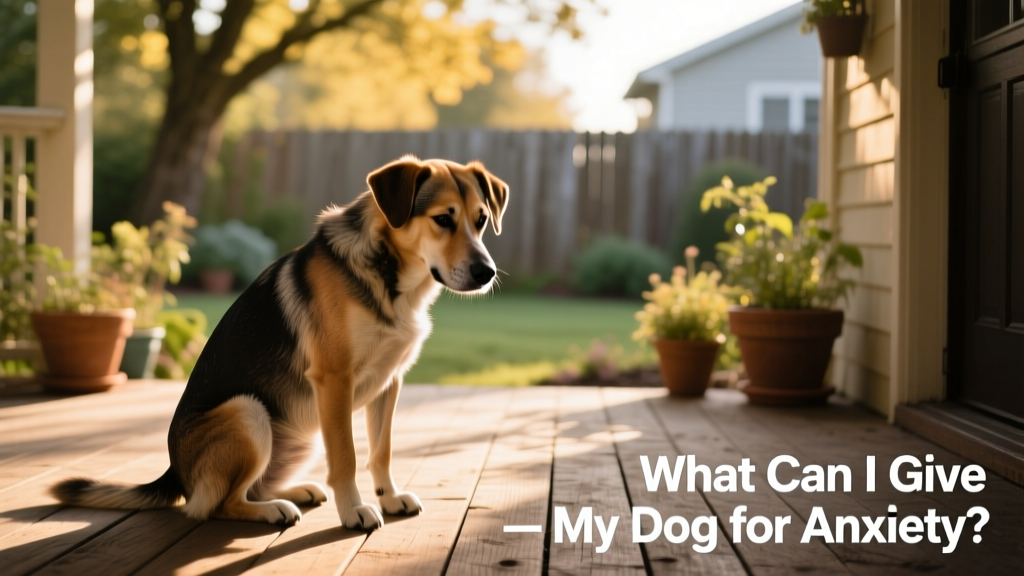
First, it’s important to recognize the signs. Dogs can experience several types of anxiety—including generalized anxiety, separation anxiety, and anxiety linked to underlying health conditions. Watch for these common behavioral and physical cues:
- Excessive barking, howling, or whining
- Excessive drooling, licking, panting, or chewing
- Out-of-character or destructive behavior
- Hunched or withdrawn body language
- Pacing
- Pupil dilation
- Shaking
- Patches of fur loss
- Urination or defecation inside the home
- Avoiding their pet parents
- Licking at paws or legs, sometimes creating wounds
Left unaddressed, anxiety can contribute to aggression and other serious behavior problems. Keep in mind that many of these signs may also point to medical issues—so always consult your veterinarian if you notice persistent changes in your dog’s behavior or health.
What Can You Give a Dog for Anxiety?
Luckily, there are many safe, effective ways to help calm an anxious dog. Here’s what works—and how to use it wisely.
Toys as Anxiety Relief
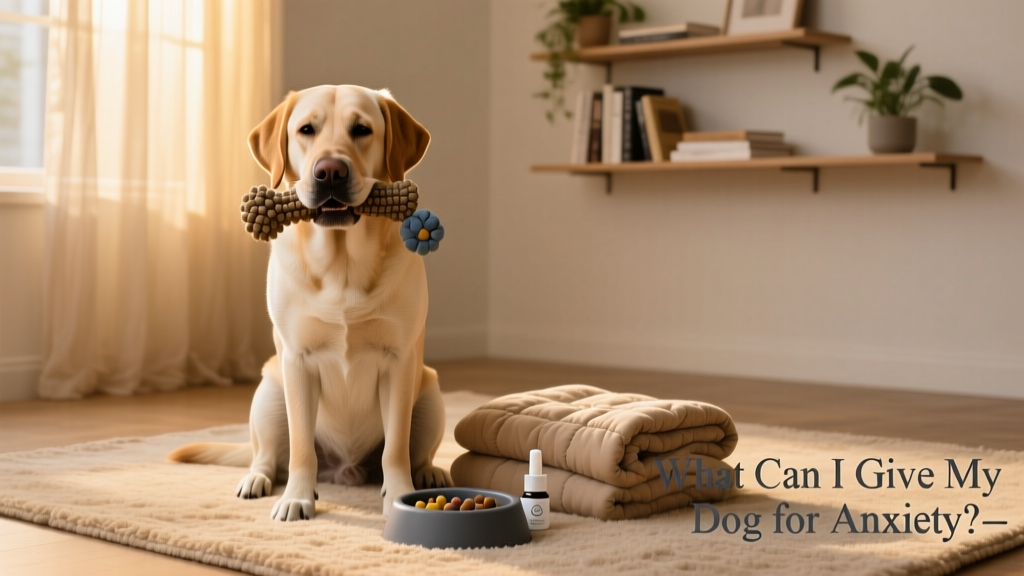
Toys can serve as both comfort and distraction—especially for dogs with generalized or separation anxiety. Puzzle toys keep minds engaged and support gradual desensitization. Chewable toys, lick mats (spread with safe treats), squeaky toys, and soft comfort items your dog can carry around all offer valuable mental and physical outlets.
- Safety tip: Always use xylitol-free peanut butter—xylitol is highly toxic to dogs.
- Safety tip: Inspect squeaky toys regularly for wear or cracks. A loose squeaker poses a choking hazard or risk of intestinal blockage.
Avoid Reinforcing Fear
If your dog is scared of something harmless—like traffic noise or unfamiliar sounds—comforting them with excessive fussing can unintentionally reinforce that fear. Instead, remain calm and neutral. This helps your dog learn that the situation is safe.
For example, FurPetVo community member @louisehunt shared concerns about her dog’s nervousness near busy roads. Rob Kuty, certified master dog trainer and Director of Animal Training at Helen Woodward Animal Center, offered this evidence-based advice:
“Don’t cater to the dog during these moments by talking to them or petting them—you’d actually be reinforcing the fear. Start by taking your dog to quieter areas away from the road to begin desensitizing them gradually. As they gain confidence at a distance, slowly decrease the gap—but stay patient, consistent, and gentle. Think of it as ‘chipping away’ at the anxiety over time.”
Holistic and Supportive Approaches
Create a Calm Safe Space
A designated quiet zone—like a crate lined with favorite blankets and toys, or a dedicated dog-only bed—can give your pup a secure retreat when stress rises.
Essential Oils & CBD: Proceed With Caution
While some dog owners share anecdotal experiences with essential oils or CBD oil, these methods lack robust scientific validation for safety and effectiveness in dogs. Certain oils can cause toxicity or allergic reactions. Never use them without explicit approval and dosing guidance from your veterinarian.
Comfort Through Touch
Gentle, consistent dog massages and calm, reassuring cuddles help release oxytocin and lower cortisol—making your dog feel safe, grounded, and loved.
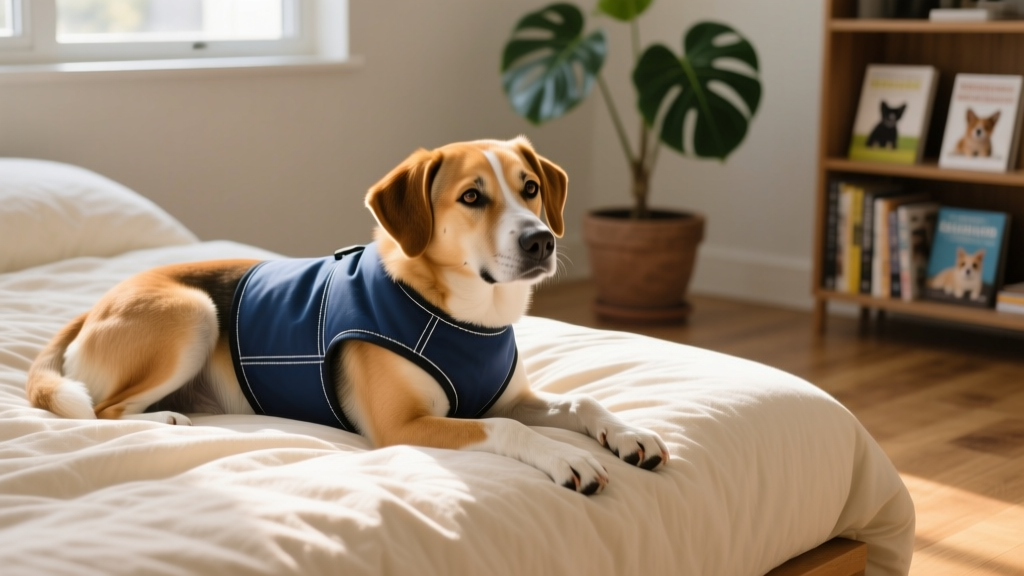
Anxiety Vests
Designed like gentle compression garments, anxiety vests provide constant, soothing pressure—similar to a comforting hug. They’re especially helpful during thunderstorms, fireworks, or other loud, unpredictable events, allowing your dog to move freely while feeling more secure.
Pheromone Diffusers
Pheromone products mimic the calming scent mother dogs emit to soothe puppies. Available as plug-in diffusers, wearable collars, or portable sprays, they offer a natural, non-invasive way to promote relaxation—ideal for home use or travel to the vet.
Supplements
Several vet-recommended supplements—such as those containing L-theanine, melatonin, or calming herbal blends—are available over the counter at clinics like FurPetVo. These typically require daily use for several weeks to build up effectiveness. Always discuss options with your vet before starting any new supplement.
Preventative Measures and Long-Term Support
Proactive training and routine-building go a long way in preventing anxiety from taking hold. If you live in an area with frequent storms—or know you’ll need reliable pet care while traveling—start early with strategies like:
- Crate training: Introduce the crate gradually and positively so it becomes a voluntary safe haven—not a place of confinement.
- Desensitization routines: Pair low-level exposure to triggers (e.g., recorded storm sounds at low volume) with high-value treats and praise.
- Consistent schedules: Predictable feeding, walking, and rest times help dogs feel grounded and reduce uncertainty-related stress.
- Professional support: Consider working with a certified trainer or veterinary behaviorist through FurPetVo’s trusted network of experts at furpetvo.com.
Remember: Every dog is unique. What works for one may not suit another—and patience, consistency, and partnership with your vet are your most powerful tools. With thoughtful support, most dogs can learn to cope confidently with life’s stresses.