How to Calm Down a Cat While Pet Sitting
If you’ve ever had a cat who loved and trusted you, chances are they spent much of their time curled up on a windowsill, stretched out belly-up on the couch, or draped contentedly across your lap while you tried (and failed) to type around them. But cats aren’t always this relaxed — especially when meeting someone new in their own space.
Cats are sensitive creatures. A subtle change — like a new scent on your hands, unfamiliar furniture, or even the presence of a stranger — can trigger unease. As a pet sitter, no matter how warm, patient, or experienced you are, it may take time for a cat to feel safe with you. That’s completely normal. And with the right approach, you can help them settle in faster, feel secure, and thrive during their owner’s absence.
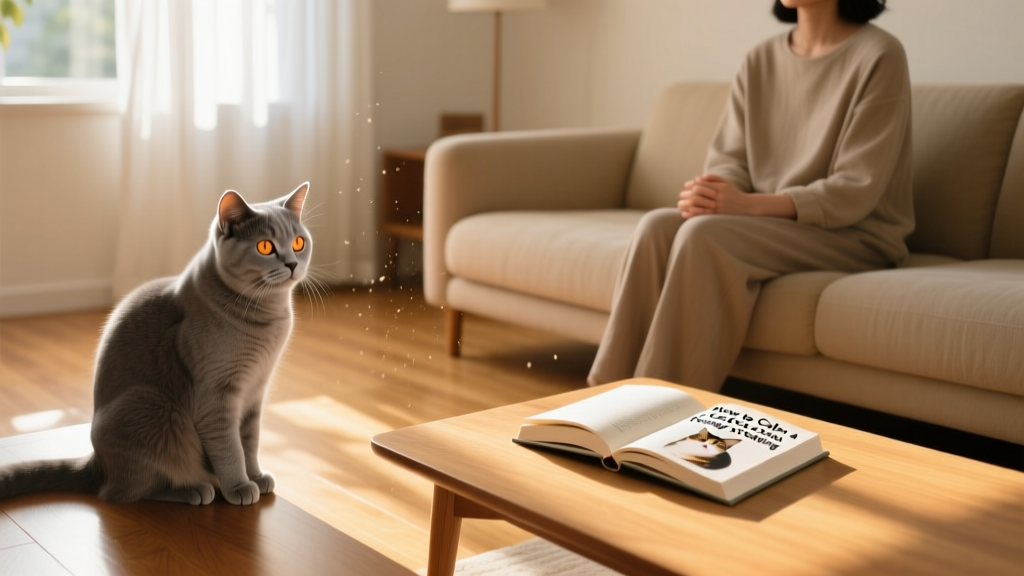
Understanding Cat Behaviour: Anxiety, Fear, and Hyperactivity
Long before becoming beloved companions, cats lived in the wild — both as hunters and as prey. Their survival depended on acute awareness of danger. Some individuals were bold explorers; others stayed hyper-vigilant, relying on caution and restraint. Evolution favored those who sensed threat early — which is why fear and anxiety remain deeply wired into feline behaviour today.
This doesn’t mean your cat distrusts you — it simply means their instincts are doing their job. As a compassionate pet sitter, your role isn’t to “fix” their caution, but to gently signal safety through consistency, respect, and quiet confidence.
Hyperactivity, on the other hand, is often less about fear and more about unmet needs. Cats are intelligent, curious, and instinctively driven to hunt, explore, and solve problems. Indoor cats — especially those without feline companions — can become bored when left alone for long stretches. What looks like “hyper” energy is usually just pent-up drive seeking an outlet.
A stressed cat may also shift eating habits. One pet sitter shared on the FurPetVo community forum:
“I’m pet sitting a one-year-old Ragdoll cat for a family member while they’re on vacation. The cat doesn’t seem very interested in eating his food — raw beef with added supplements. He’s playful but has little appetite. Any advice?”
Kendall Schulz, Adoptions Services Director at Helen Woodward Animal Center, responded:
“There’s a good chance the cat simply misses their person. Cats sometimes express emotional distress in unexpected ways — like reduced appetite. If the behaviour continues after the owner returns, a veterinary checkup is recommended.”
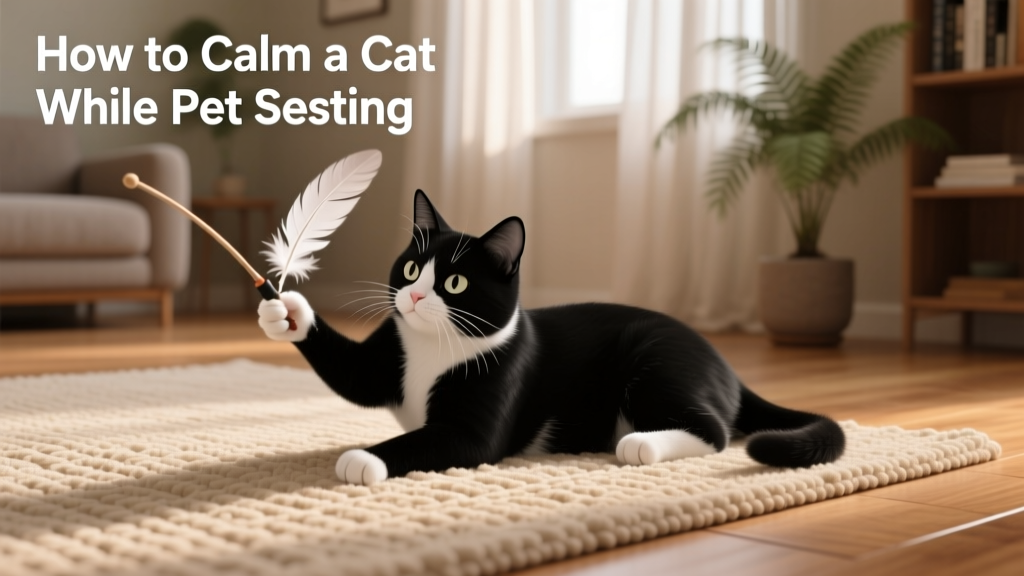
Physical pain is another important factor. Because cats evolved to hide weakness (a visible injury could attract predators), they often mask discomfort — purring, hiding, or withdrawing instead of vocalizing. So even subtle changes — like reluctance to jump, stiffness, or over-grooming — warrant gentle observation and, if persistent, professional evaluation.
Signs of Stress in Cats
Before you can soothe a stressed cat, you need to recognize the signals — many of which are easy to miss or misinterpret.
For example, purring is commonly associated with contentment, but cats also purr when injured or anxious — possibly as a self-soothing or healing mechanism. Likewise, a cat who hides or stops using the litter box may not be “acting out”; they could be communicating deep discomfort.
Here are common physical and behavioural signs of stress:
Physical Signs
- Twitching or low, stiff tail
- Fluffed fur, especially along the back or tail
- Ears flattened backward
- Wide, staring eyes
- Lethargy or unusual restlessness
- Loss of appetite or sudden overeating
- Panting (uncommon in cats and often a red flag)
- Inconsistent litter box use (urinating/defecating less, more, or outside the box)
- Vomiting or diarrhea
- Bald patches from excessive licking (often on legs, belly, or tail base)
- Drooling or frequent swallowing
Behavioural Signs
- Hiding or crouching in corners or under furniture
- General tenseness or freezing in place
- Hissing, growling, or yowling
- Pawing or swatting at perceived threats
- Scratching or biting objects (or people) out of frustration
- Scratching walls, doors, or furniture excessively
- Urinating or defecating outside the litter box
- Excessive or unusual meowing
- Nervous grooming (linked to bald patches above)
Remember: These behaviours may indicate stress — but they can also point to underlying medical issues. When in doubt, consult a veterinarian. As a FurPetVo pet sitter, you have free 24/7 access to licensed veterinary professionals for guidance during any sit.