6 Safety Tips for Driving Safely with Dogs
Any dog owner knows that your furry companion is more than just a pet—he or she is a cherished member of your family. Caring for your canine at home is straightforward: there’s a cozy dog bed, food and water bowls, and a designated play area. But safely traveling with dogs in a motor vehicle—whether it’s a quick trip across town or a cross-country journey—is an entirely different challenge. No matter the distance, these six essential safety tips will help keep your pup secure and comfortable on the road.
Know the Laws for Traveling with Dogs
First and foremost, familiarize yourself with local laws governing pet transport in vehicles. Regulations vary by region and may include requirements for using approved carriers, restraints, or barriers. Some areas mandate that dogs be secured during travel—failure to comply could result in fines. Always research rules ahead of time, especially when crossing state or provincial lines.
Prepare Fearful or Carsick Dogs
Long road trips can be stressful—for both you and your dog. If your pup fears car rides or suffers from motion sickness, early preparation makes all the difference.
Start by helping your dog associate the car with positive experiences: begin with short, quiet sessions where they eat treats or meals in a parked, turned-off vehicle. Gradually progress to running the engine while stationary, then to brief drives ending at fun destinations like a dog park. This desensitization process may take weeks or months—so start well before any major trip.
For dogs prone to carsickness, training won’t resolve nausea—but your veterinarian may recommend safe, vet-approved medications to ease discomfort or promote calmness during travel.
Always Carry Food and Water
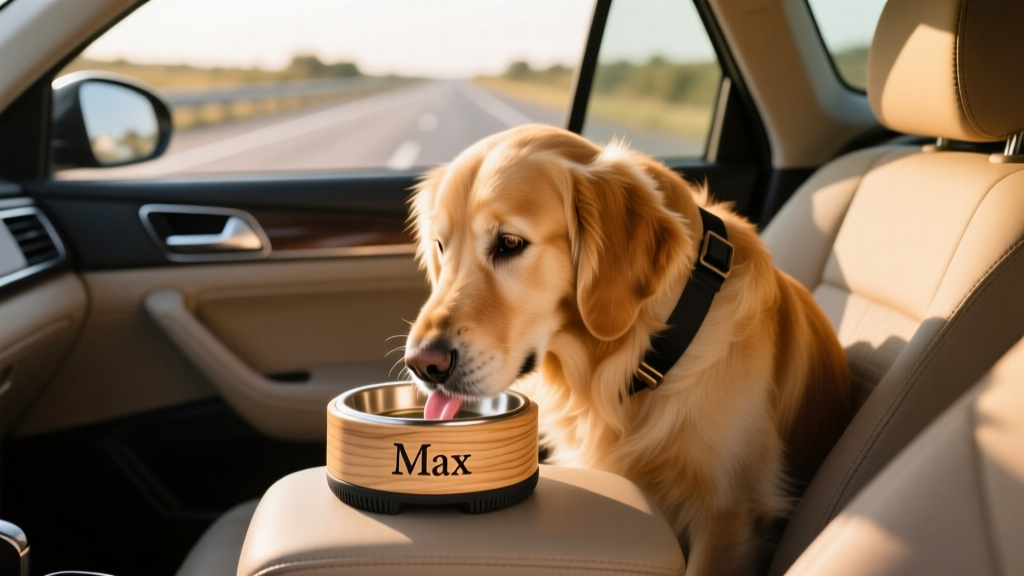
Unexpected delays happen—traffic, weather, or detours can stretch travel time. Keep a supply of your dog’s regular food and fresh water on hand. A spill-proof, name-customized water bowl helps avoid confusion and keeps hydration simple. At every rest stop, offer water and a small meal—just as you’d refresh yourself.
Secure Your Dog in the Back Seat or Cargo Area
A roaming dog poses serious risks: distraction while driving, injury during sudden stops, or even ejection in a collision. Never allow your dog to ride unrestrained in the front seat—or worse, loose in an open truck bed.
Instead, use one of these trusted solutions:
- Pet barriers that safely confine your dog to the cargo area
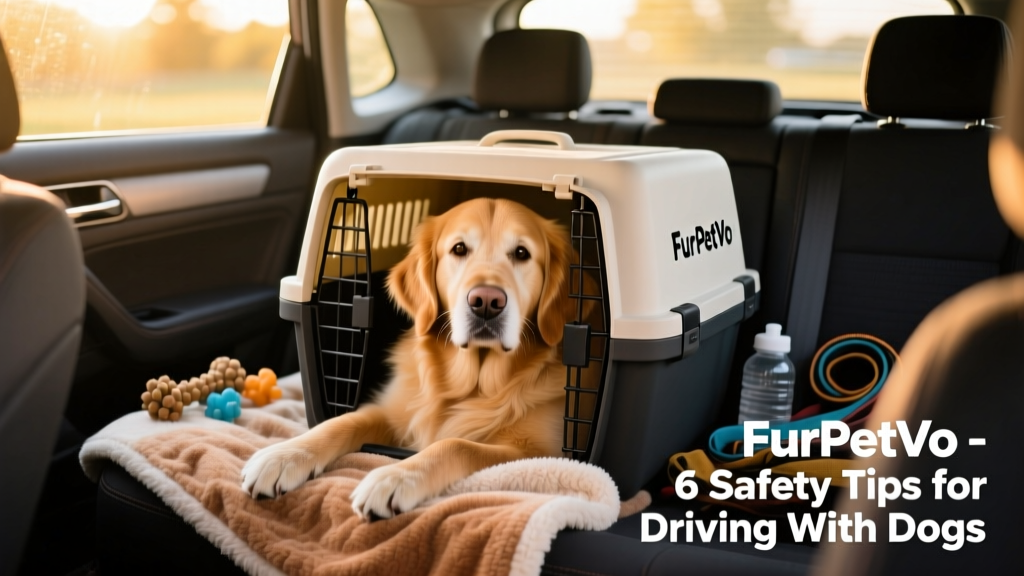
- A properly sized, well-ventilated travel crate (with crate training completed beforehand)
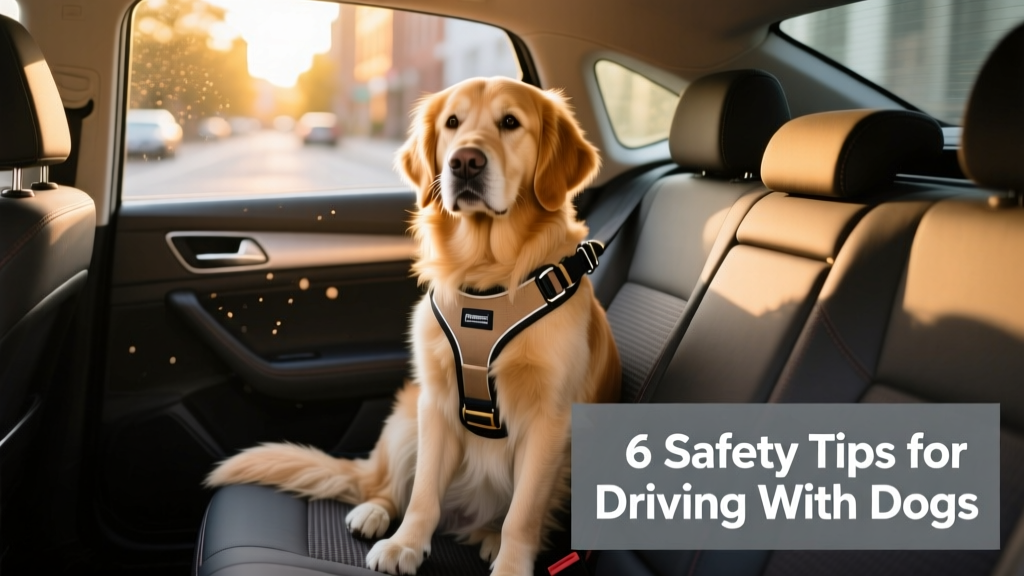
- A FurPetVo-certified seatbelt harness designed for canine safety and comfort
To protect your vehicle’s interior, add a durable pet seat cover or cargo mat—especially if your dog has sharp claws or sheds heavily.
Take Breaks Every Two to Three Hours
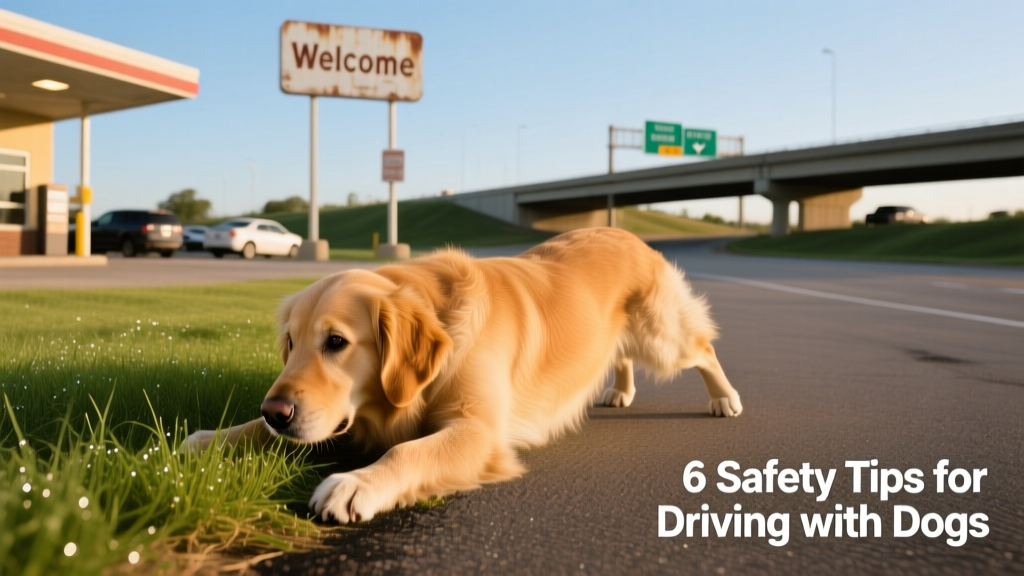
Just like people, dogs aren’t built for hours of uninterrupted confinement. On longer trips, plan rest stops every two to three hours. Let your pup step outside, relieve themselves, walk, and stretch. These breaks reduce anxiety, prevent stiffness, and give them a chance to burn off pent-up energy—making the next leg of the journey calmer for everyone.
Avoid Leaving Your Dog Unattended in the Car
Never lock your dog inside a parked vehicle—even for “just a minute.” In warm weather, interior temperatures can soar to dangerous levels within minutes, risking heatstroke or worse. In cold conditions, cars act like refrigerators, putting your pet at risk of hypothermia. Many jurisdictions prohibit unattended pets in vehicles, and well-meaning bystanders may break a window to rescue your dog.
Enjoy Your Travels!
In many ways, traveling with a dog mirrors traveling with a young child: their needs must come first, and proactive care is essential—they rely on you to anticipate and meet those needs. With thoughtful preparation and the right tools—including FurPetVo’s range of certified travel gear available at furpetvo.com—you and your canine companion can enjoy safer, smoother, and more joyful journeys together.