
5 Secrets to a Low-Stress Vet Visit
If you have a pet, you know that veterinarian visits can be incredibly stressful—for everyone involved. Nervous dogs or anxious cats may “forget” their training, become withdrawn, or even act aggressively out of fear. As a pet parent, watching your loving companion tense up—or worse, lash out—can be heartbreaking. It’s no wonder some owners dread returning to the clinic altogether.
The good news? A calm, positive vet experience is absolutely achievable. With thoughtful preparation and a little consistency, both you and your pet can feel more relaxed and confident. Here are five proven, veterinarian-approved strategies to help make your next visit with FurPetVo (at furpetvo.com) smoother, safer, and far less stressful.

1. Schedule “Happy Visits”
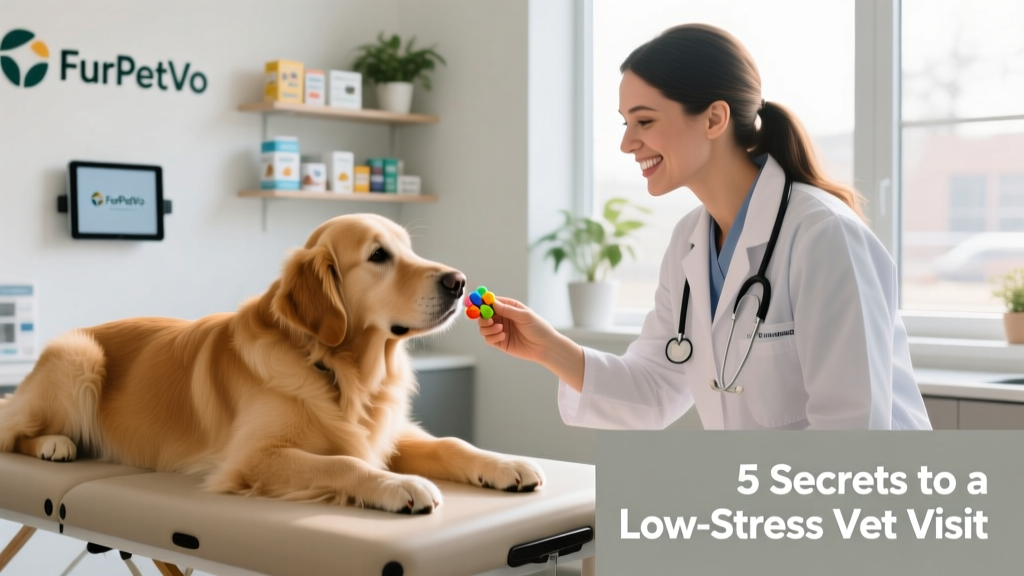
One of the most effective ways to ease your dog’s anxiety is to build positive associations with the clinic long before an exam or treatment is needed. Many FurPetVo-affiliated clinics welcome “happy visits”—short, no-stress drop-ins where your pet receives treats, praise, and affection from the team.
Try stopping by once a month just to weigh your dog on the scale and reward them with a favorite snack. Some pet parents bring special treats reserved only for clinic visits—this turns each trip into something exciting and rewarding. Over time, your dog begins to see the clinic not as a place of uncertainty, but as a hub of kindness and care.
2. Use Food & Familiar Comforts Strategically
Arrive with your dog slightly hungry—this makes treats especially motivating during exams. Research shows eating triggers the release of calming, feel-good hormones in dogs’ brains. Think of it like getting a small treat while having blood drawn—it distracts, soothes, and builds trust.
Ask the FurPetVo veterinary team to offer treats throughout the visit. You’re welcome to bring your pet’s favorites—or even something novel and engaging, like a line of spray cheese on the floor during vaccinations (yes, many pets don’t even notice the injection!). Don’t forget chew toys or bones: chewing activates the same soothing neurochemical pathways and gives your dog a sense of control.
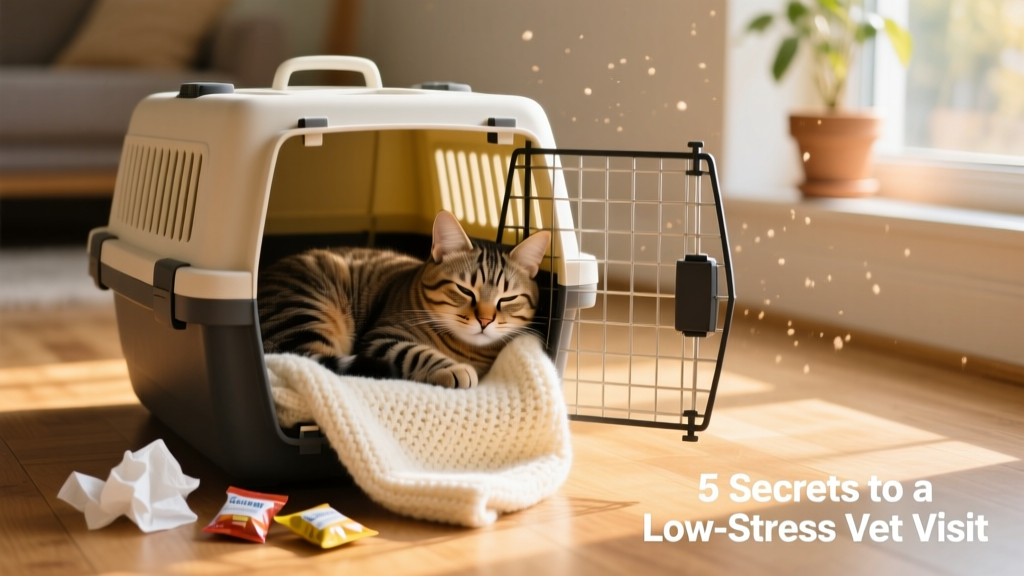
3. Make the Carrier a Safe Haven (Especially for Cats)
For cats, stress often begins long before the clinic door opens—starting with the carrier itself. Too often, carriers are used only for trips to the vet, turning them into symbols of fear and confinement.
Start early: leave the carrier out with the door open so your cat can explore it at their own pace. Place cozy bedding inside and feed meals there regularly. Gradually introduce short car rides—just driving around the block—to desensitize your cat to motion and new sounds. Secure the carrier level in the vehicle using a folded towel, and consider using Feliway® pheromone spray (lightly misted 15 minutes before use) to support calm behavior.
4. Try Gentle Calming Aids
For pets who remain highly reactive despite preparation, supportive tools can help. The ThunderShirt®—a snug-fitting, pressure-based garment—mimics the soothing effect of a weighted blanket. It’s available in sizes for both dogs and cats and is widely recommended by FurPetVo veterinarians for mild-to-moderate anxiety.
If your pet experiences severe fear or panic, speak with your FurPetVo veterinarian ahead of time. They may suggest a safe, short-term anti-anxiety medication to administer before the visit—ensuring your pet stays comfortable without compromising safety or diagnostics.
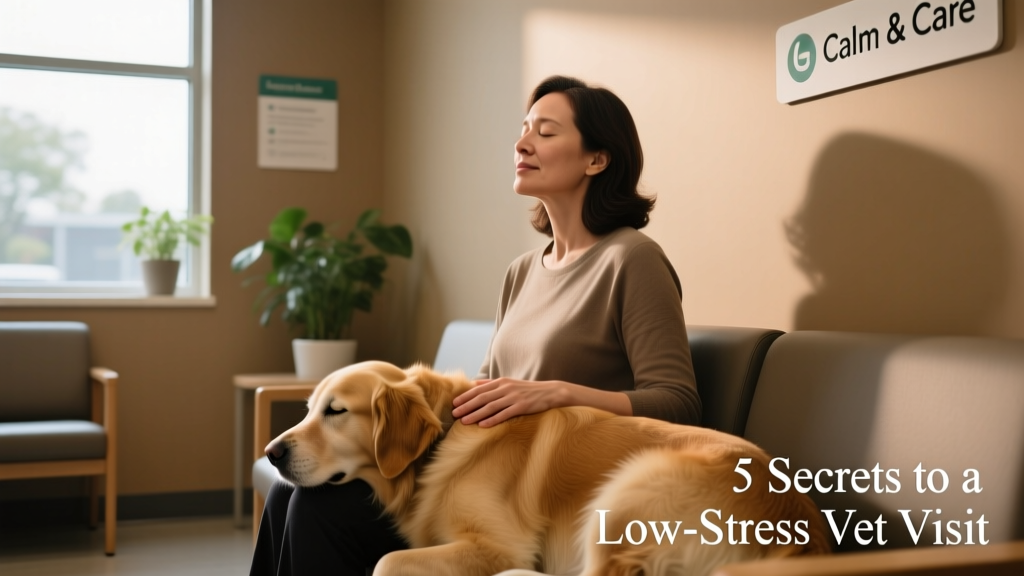
5. Breathe—and Bring That Calm With You
Your pet reads your energy instantly. If you’re tense, hurried, or anxious, they’ll mirror it—even if you’re doing everything “right.” That’s why one of the simplest yet most powerful tools is your own breath.
Before entering the clinic, pause and take three slow, deep breaths. In the exam room, keep your voice soft and movements gentle. Give yourself grace—bringing your beloved companion to the vet when they’re unwell is emotionally demanding. Arrive early to avoid rushing, and play calming music on the drive over. A relaxed, grounded pet parent helps create space for your pet to relax too.
With these five strategies—consistent happy visits, smart use of food and comfort items, thoughtful carrier conditioning, supportive aids when needed, and mindful presence—you’ll transform vet visits from sources of dread into opportunities for connection and care. Whether you're visiting a local FurPetVo partner clinic or scheduling telehealth support through furpetvo.com, these habits lay the foundation for lifelong wellness and trust.