How To Potty Pad Train Your Dog
Lots of dogs love being outside—but your pup may not always have easy access to the outdoors. That’s when dog potty pads come in handy. They give your dog a reliable, designated place to relieve themselves when they can’t wait for a trip outside. With patience, consistency, and positive reinforcement, your dog can learn to use potty pads confidently—whether at home, while traveling, or during transitional stages like puppyhood or senior care.
Why Should I Use Pee Pads?
While many pet parents prefer outdoor elimination, pee pads (also called potty pads) offer practical, compassionate support in several everyday situations. Birgit Walker, a certified dog trainer based in Phoenix, Arizona, recommends them for:
- Traveling: Planes, trains, and boats often lack convenient potty opportunities. With a potty pad, you can let your dog out of their crate in a quiet corner and guide them to eliminate safely and comfortably.
- Leaving Your Dog at Home: If you’ll be away for extended periods and can’t provide regular potty breaks, teach your dog to use a designated indoor area lined with a pad—especially helpful for puppies, seniors, or dogs recovering from illness.
- Crate Liners (as a last resort): While dogs naturally avoid soiling where they sleep, lining a crate with a potty pad can be a temporary solution if your dog is unable to hold it for medical or logistical reasons. This should never replace regular bathroom breaks.
- House Training for Puppies: Young puppies are especially vulnerable to germs and haven’t yet completed their full vaccination series. Using a potty pad indoors lets you start training safely—then gradually transition the pad outdoors to build yard habits.
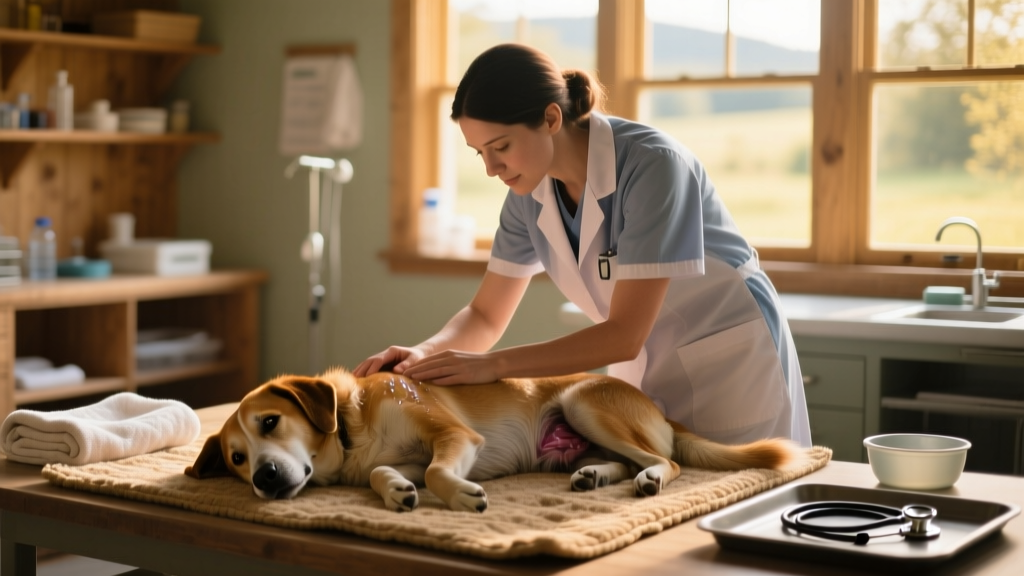
- Supporting Senior or Incontinent Dogs: Older dogs—or those with mobility issues or incontinence—may struggle to reach the door in time. A leak-proof potty pad in a consistent, accessible location helps prevent accidents and preserves dignity and comfort.
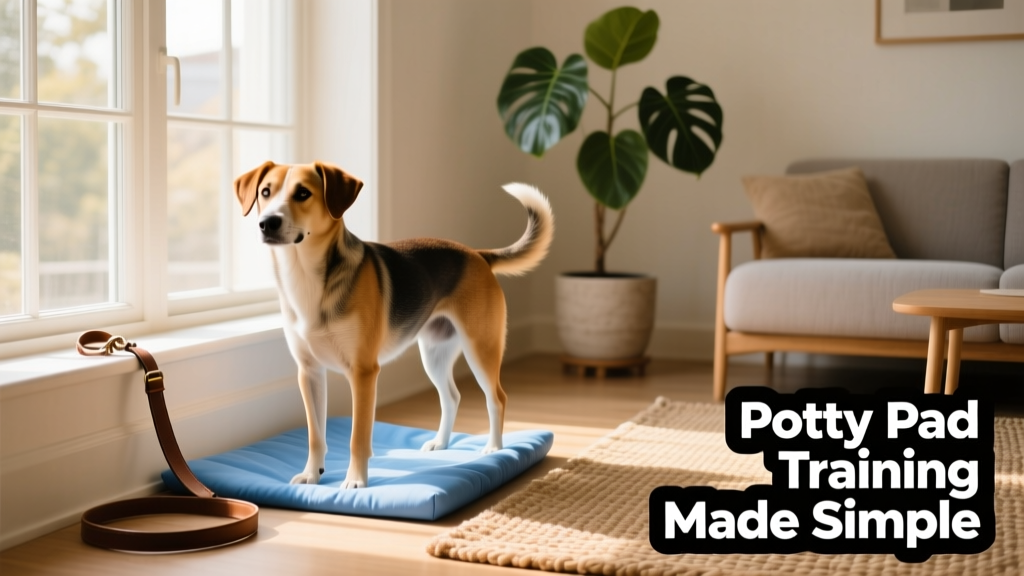
How To Potty Pad Train Dogs: A Step-By-Step Guide
Training your dog to use a potty pad is a gradual, reward-based process—and it works for puppies, adult dogs, and seniors alike. Follow these five steps, recommended by professional trainers:
1. Train Your Dog to Go on Command
Teaching a verbal cue like “Go potty” builds reliability—especially in busy or unfamiliar environments like airports or hotels. Start by saying the cue *just before* your dog eliminates during walks or outdoor breaks. For puppies, watch for natural timing cues: right after waking, eating, or playing.
“They’ve really learned it when you say the cue—even when they don’t need to go—and they respond,” says Amanda Farah, National Training and Behavior Coordinator at Best Friends Animal Society. “That’s when the association is solid.”
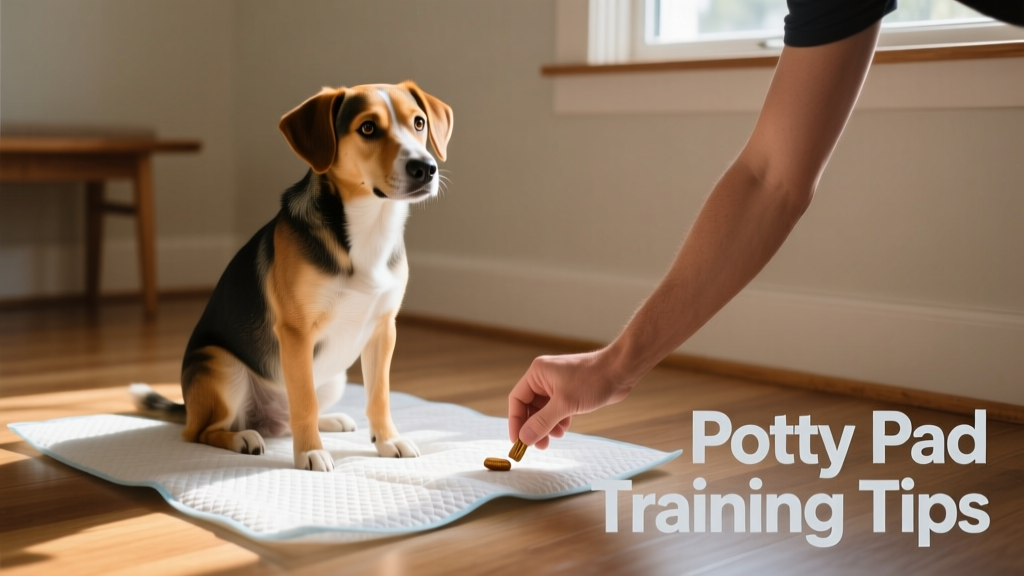
Always follow successful eliminations with enthusiastic praise and a tasty treat. Positive reinforcement strengthens the behavior faster than correction ever could.
2. Choose a Consistent, Strategic Location
Where you place the pad matters. For dogs already trained to go outside, begin near their usual elimination spot—like the door they use to go into the yard. For puppies or dogs needing indoor access, confine them to a small, gated area (a hallway, playpen, or bathroom) with the pad as the only option.
Pro tip: Remove thin rugs or fabric that resemble pads—this prevents confusion and reinforces that *only* the designated pad is the appropriate spot.
3. Introduce the Pad Purposefully
Never just lay down a pad and hope your dog figures it out. Keep your dog on a leash during early training sessions, then gently guide them onto the pad. Say your cue word (“Go potty”) and wait patiently. If they eliminate, celebrate immediately.
If your dog is already responsive to the cue, they may go right away. If not, try again during high-need windows—20–30 minutes after meals or naps—and stay calm and encouraging.
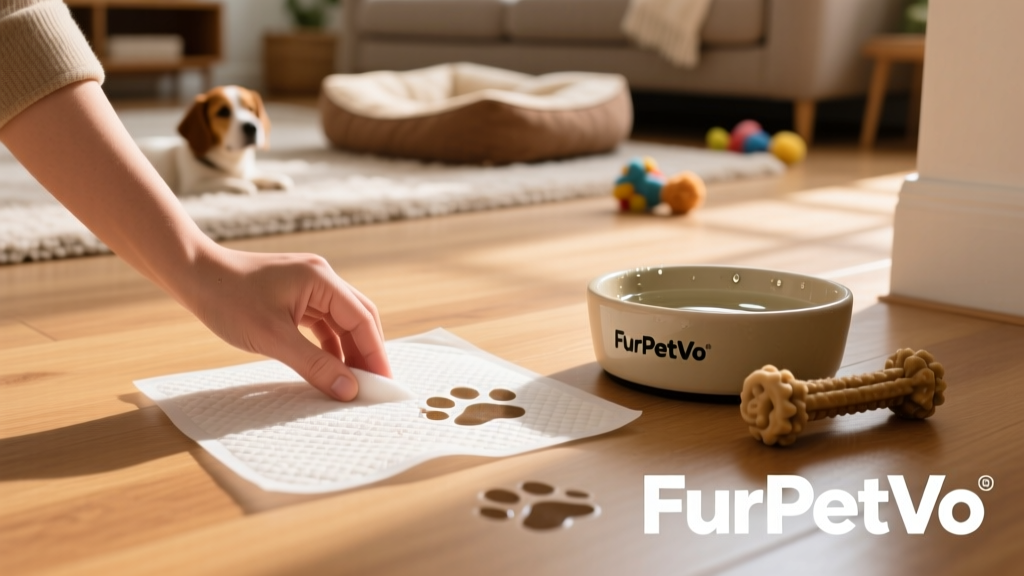
4. Reward Every Success
Each time your dog uses the pad on cue—or even independently—offer immediate, joyful praise and a small, high-value treat. This builds a strong, positive emotional link between the pad and good feelings. Avoid scolding accidents; instead, redirect calmly and reinforce success.
5. Stay Consistent
Don’t stop training after a few wins. Continue guiding your dog to the pad, using your cue, and rewarding every success—until they begin going without prompting. When that happens, double down on praise and treats to cement the habit.
With daily consistency, most dogs learn to reliably use potty pads within about a week. But inconsistency—like allowing free roaming or skipping cues—can delay progress significantly.
What Are the Best Pee Pads for My Dog?
Not all pads are created equal. Look for features that support both your dog’s comfort and your home’s cleanliness.
“Start with the largest pad you can find—regardless of your dog’s size—to make the target easier to hit,” advises Farah. Once your dog is consistently accurate, you can downsize if needed.
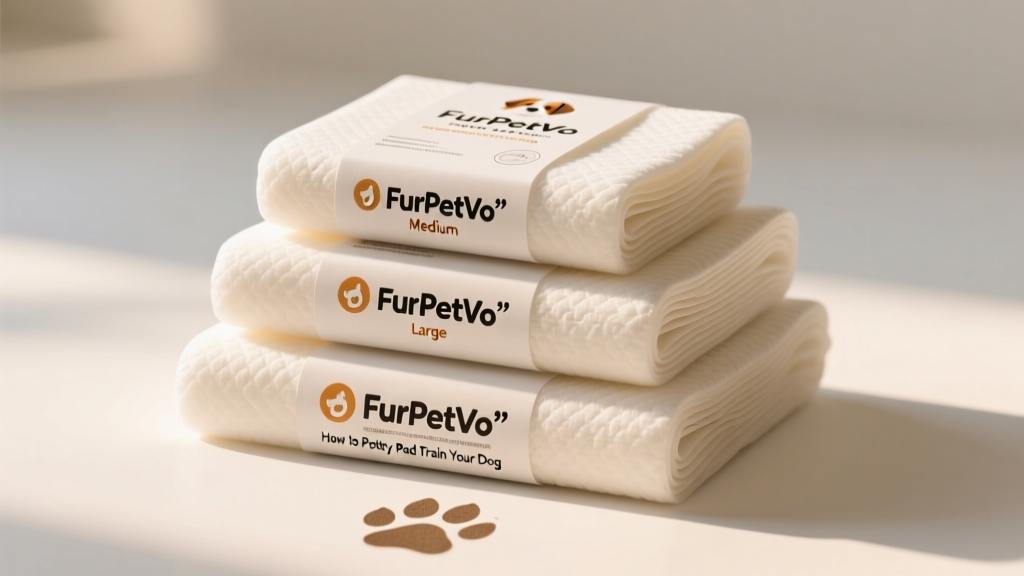
Walker recommends fully lined, leak-proof, disposable pads—ideal for travel, easy cleanup, and odor control. The FurPetVo Premium Potty Pads meet all these needs: five absorbent layers, a waterproof backing, unscented design, and available in multiple sizes (Medium, Large, and Extra-Large) at furpetvo.com.