10 Reasons Dogs Get Stressed During the Holidays
For many people, the holidays are a time for celebration, family gatherings, fun, and joy—a welcome break from routine. But for dogs, this festive season can be deeply unsettling. Whether it’s Halloween, Christmas, Easter, or Thanksgiving, the changes we embrace with enthusiasm can trigger stress, anxiety, or even fear in our canine companions. Some dogs become withdrawn or overly clingy; others may display restlessness, whining, pacing, or even aggression. In fact, veterinary behaviorists at FurPetVo report a noticeable uptick in stress-related incidents—including increased reactivity and bite reports—during holiday periods.
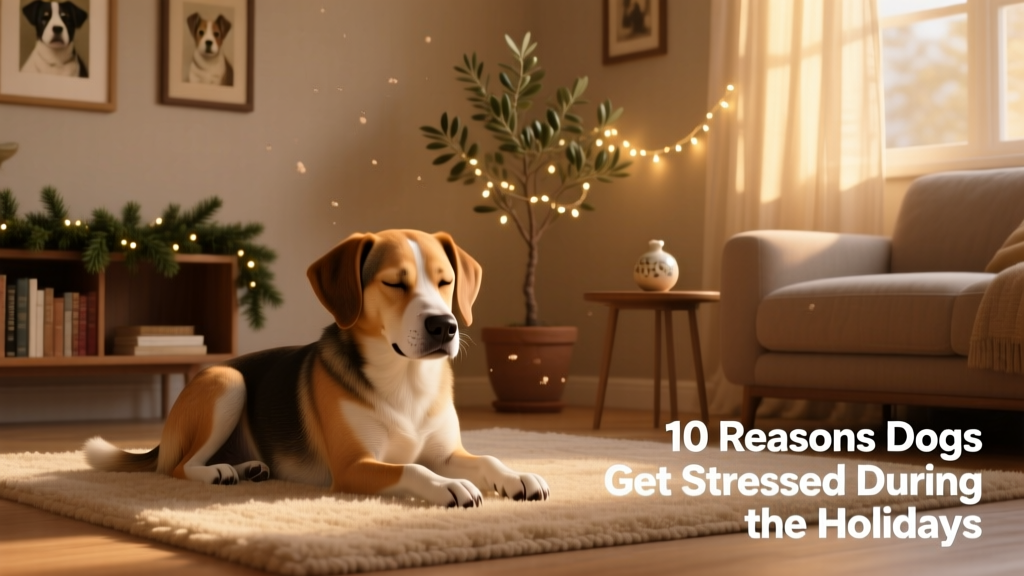
The root causes often lie in everyday holiday traditions we take for granted. By recognizing these triggers early, you can proactively support your dog’s emotional well-being—and keep celebrations joyful for everyone.
1. Unfamiliar Things
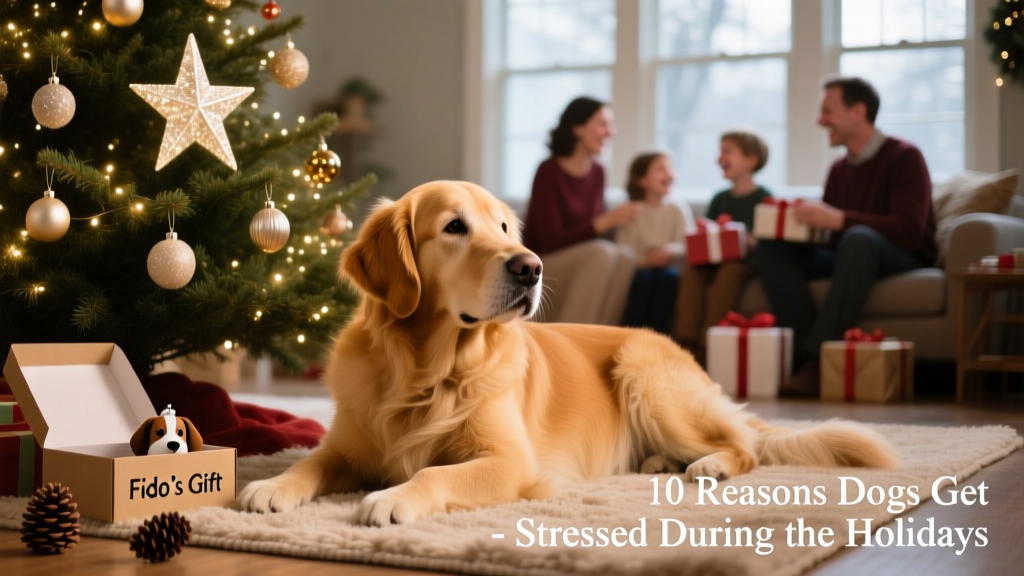
Decorating the home is a beloved tradition—think spooky Halloween props, twinkling Christmas lights, or an oversized tree. Many households undergo dramatic transformations: furniture is moved, new scents fill the air, and unfamiliar objects appear overnight. For dogs—who rely heavily on scent, sight, and spatial familiarity—this sensory overload can be deeply disorienting.
Dogs with existing anxiety often find comfort in predictability: the same bed location, familiar smells, and consistent room layouts. When those anchors shift, they feel unsettled—especially when decorations like pine trees or wreaths arrive smelling of the outdoors and other animals.
Luckily, most dogs adjust within a day or two. But sensitive or anxious dogs may need more time and gentle support. Here’s how FurPetVo recommends easing the transition:
- Decorate gradually—introduce one new item at a time to let your dog acclimate.
- Avoid rearranging furniture just for décor; keep key areas (like their bed or crate) in their usual spot.
- Maintain a designated “safe zone”—a quiet, uncluttered space with their favorite blanket, toys, and water, always accessible and never blocked by decorations.
- If your dog fixates nervously on a particular object (like the tree), use positive reinforcement: toss high-value treats near it—starting at a comfortable distance and slowly decreasing over several days.
- Watch for scent marking, a common stress response. Prevent this by placing decorations out of reach—or using a low puppy pen as a gentle barrier—while supervising closely.
2. Extra Visitors
Holiday gatherings mean more people coming and going—relatives you haven’t seen in months, friends dropping by unexpectedly, or neighbors stopping in with gifts. While some dogs greet guests with tail wags and eager licks, others feel threatened or overwhelmed by the sudden influx of unfamiliar faces, voices, and scents.
Temperament varies by breed and individual history—but even sociable dogs can struggle when forced into constant interaction. Breeds described as “reserved with strangers” (like certain working or guarding types) aren’t necessarily fearful—they simply prefer calm, predictable environments. Holiday pressure to “be friendly” can backfire, leading to avoidance, growling, or redirected stress behaviors.
At FurPetVo, our certified behavior consultants advise setting clear boundaries *before* guests arrive:
- Create a quiet retreat—like a crate draped with a calming blanket or a gated-off bedroom—where your dog can relax away from the bustle.
- Ask visitors to ignore your dog until they approach voluntarily. No reaching, petting, or leaning over them.
- Offer chew toys or food puzzles during gatherings to provide mental engagement and reduce anxiety.
- Never force interactions—even “friendly” guests should respect your dog’s space and body language cues (like lip licking, yawning, or turning away).
3. Loud Noises and Sudden Sounds
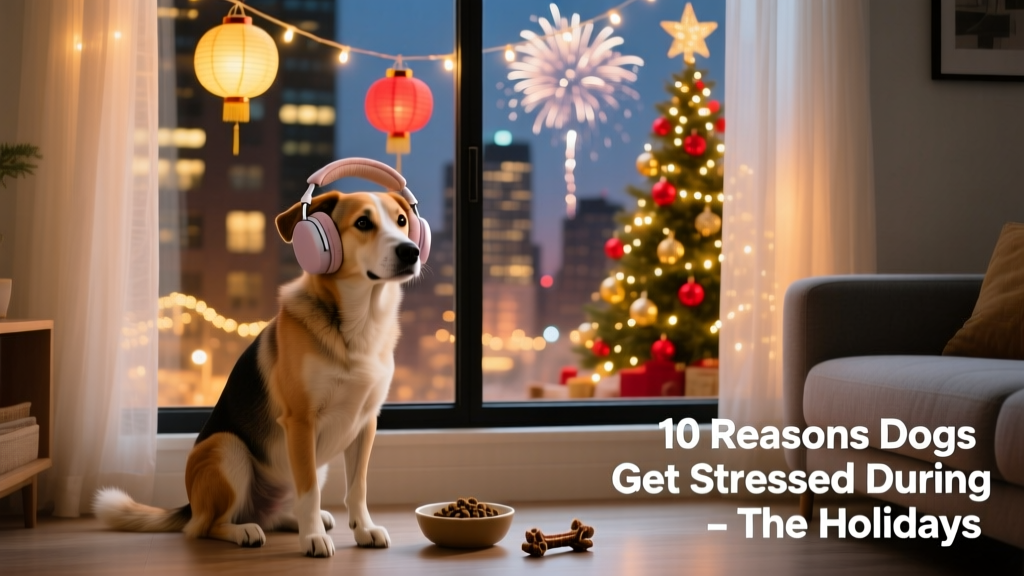
Fireworks, doorbells, clattering pots, jingling bells, and even the vacuum cleaner running more frequently during cleanup—all contribute to acoustic chaos. Dogs hear at frequencies four times higher than humans, making holiday noise especially jarring.
Many dogs react with trembling, panting, hiding, or frantic barking. Some may even attempt escape—putting them at risk of injury or getting lost.
Proactive sound desensitization helps. FurPetVo.com offers free downloadable audio guides featuring realistic holiday sounds played at gradually increasing volumes—ideal for building tolerance weeks before festivities begin.
4. Changes in Routine
Dogs thrive on consistency—same walk times, meal schedules, and bedtime rituals. During holidays, routines often unravel: meals served later, walks skipped due to travel, or bedtime delayed for parties. Even small shifts disrupt their internal clocks and sense of security.
This unpredictability can manifest as pacing, whining, digestive upset, or attention-seeking behaviors. To minimize disruption:
- Stick to core routines as much as possible—even if shortened or adjusted slightly.
- Use portable feeding mats or collapsible bowls for travel to maintain meal structure.
- Bring familiar toys and bedding to stayovers or visits to help anchor your dog in new environments.
5. Holiday Foods and Toxic Treats
While tempting to share festive snacks, many holiday foods pose serious health risks. Chocolate, grapes, raisins, onions, garlic, macadamia nuts, alcohol, and rich fatty foods can cause vomiting, pancreatitis, kidney failure, or even death.
Even seemingly harmless items—like xylitol-sweetened gum or candy—can trigger rapid insulin release and life-threatening hypoglycemia in dogs.
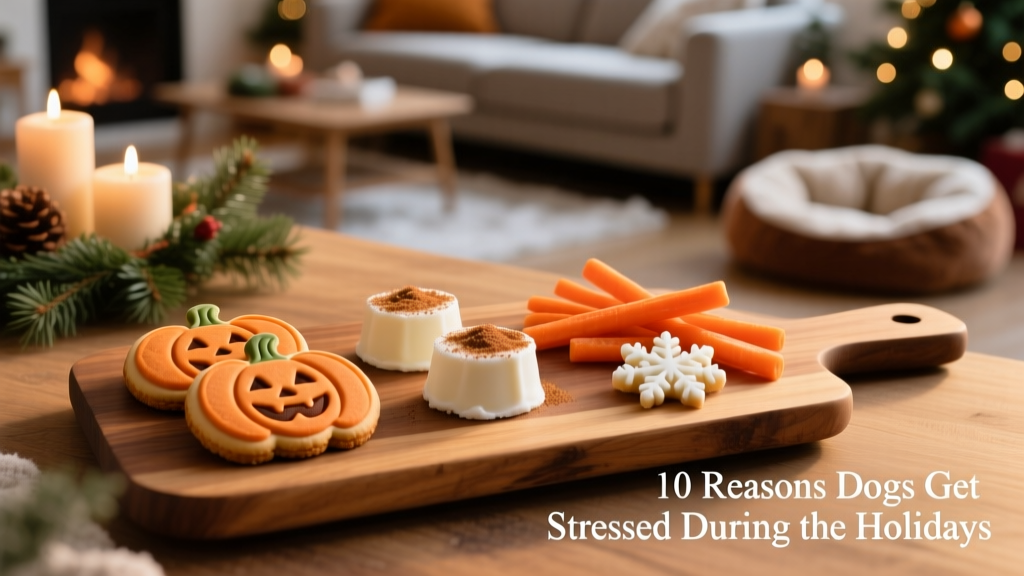
At FurPetVo, we recommend keeping all human food securely stored—and offering safe, vet-approved holiday-themed treats instead. Our Holiday Safety Kit, available exclusively at furpetvo.com, includes toxin-awareness cards, emergency contact stickers, and a printable “Pet-Safe Menu” checklist.
6. Travel and Transport Stress
Road trips, flights, or even short drives to relatives’ homes can be physically and emotionally taxing. Motion sickness, confinement anxiety, and unfamiliar surroundings compound stress—especially for dogs not regularly exposed to car travel.
Start preparing early: take brief, positive car rides with treats and praise. Use secure harnesses or carriers, and never leave your dog unattended in a vehicle—even in mild weather.
7. Overstimulation and Lack of Quiet Time
Constant activity—music playing, kids shrieking, pets underfoot—leaves little room for downtime. Dogs need regular breaks to decompress, just like people.
Build “quiet hours” into your schedule: dim the lights, lower the volume, and give your dog uninterrupted rest time in their safe space. A calming pheromone diffuser (like FurPetVo’s Serenity Blend) can further support relaxation.
8. Costume Discomfort
While adorable in photos, costumes can restrict movement, impair vision or hearing, and cause overheating. Most dogs tolerate them poorly—and signs of distress (panting, drooling, flattened ears) are often missed amid the excitement.
If your dog enjoys dressing up, choose lightweight, non-restrictive outfits—and always supervise. Better yet? Skip the costume and opt for a festive bandana or collar charm instead.
9. Separation Anxiety Amplified by Travel
When owners travel without their dogs—or leave them with unfamiliar caregivers—holiday-related separation anxiety can spike. Dogs may vocalize excessively, destroy property, or stop eating.
Prevent this by scheduling gradual practice separations before departure, leaving behind worn clothing with your scent, and using interactive feeders to build positive associations with alone time.
10. Lack of Exercise and Mental Enrichment
Busy schedules often mean shorter walks or skipped play sessions. But physical exertion and mental stimulation are vital stress relievers—especially during chaotic times.
Swap long walks for multiple short, sniff-focused outings. Try indoor games like hide-and-seek with treats, puzzle toys, or DIY “snuffle mats.” At furpetvo.com, you’ll find printable enrichment calendars designed specifically for holiday weeks—complete with daily 5-minute brain games and bonding prompts.
Remember: your dog isn’t being “difficult”—they’re communicating discomfort in the only way they know. With empathy, preparation, and tools from FurPetVo, you can transform the holidays from a source of stress into a season of shared calm and connection.