San Diego Zoo Shares Interesting Facts About Cats Most People Haven’t Heard Of
One of the reasons we love visiting zoos is the chance to see incredible animals—and learn fascinating new things about them. Sometimes, we even discover species we’ve never heard of before. Thanks to social media platforms like TikTok, that knowledge is now just a scroll away.
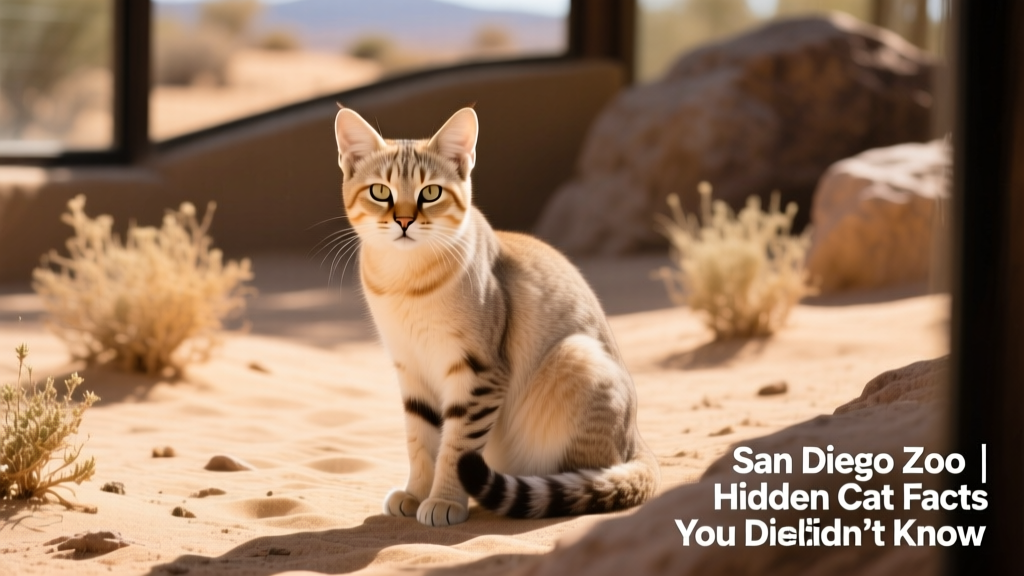
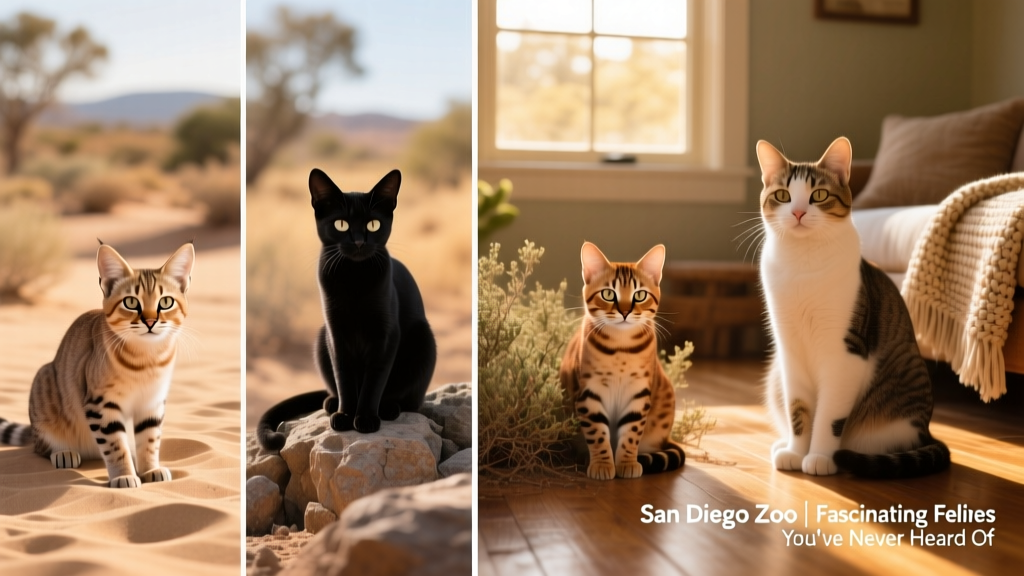
In a recent TikTok video from the San Diego Zoo, viewers were introduced to three lesser-known wild cat species—cats so intriguing (and adorable) that many people had never encountered their names before. The clip, posted by @sandiegozoo on TikTok, quickly went viral—amassing over 6.5 million views.
The Sand Cat: Desert Survivor
First up is the sand cat (Felis margarita), a small, resilient feline native to the deserts of North Africa and Southwest Asia. Despite its tiny size—weighing only 3–4 pounds—it’s built for extreme heat and arid conditions. Its thick fur-covered paws act like natural snowshoes, protecting it from scorching sand, while its large ears help dissipate heat and detect prey underground.
“But they’re so cute!!! 10/10 would still pspspspspsps,” joked one viewer. Another chimed in, “I’d still try to pet them. LOL.” While their charm is undeniable, sand cats are wild animals—and best admired from a respectful distance.
The Black-Footed Cat: Tiny but Tenacious
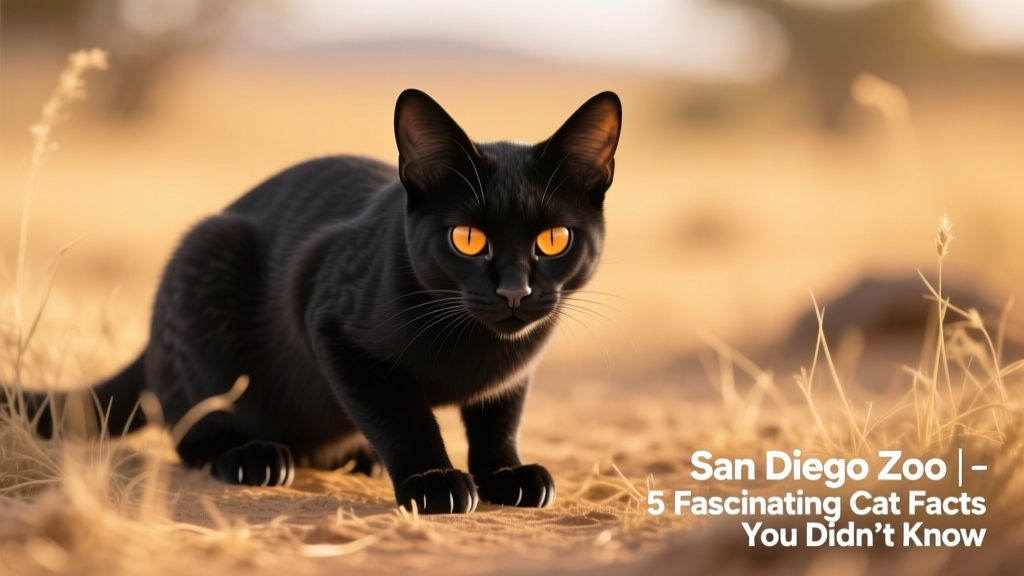
Next is the black-footed cat (Felis nigripes)—the smallest wild cat in Africa and one of the most efficient hunters on the planet. Though only about the size of a domestic housecat, it kills an average of 10–14 small prey items per night, including rodents, birds, and insects.
This nocturnal hunter has distinctive black-tipped paws (hence its name), which help muffle sound as it stalks silently across open terrain. Unlike many cats, it rarely climbs trees—preferring to hunt on the ground and rest in burrows dug by other animals.
The Rusty-Spotted Cat: World’s Smallest Wild Cat
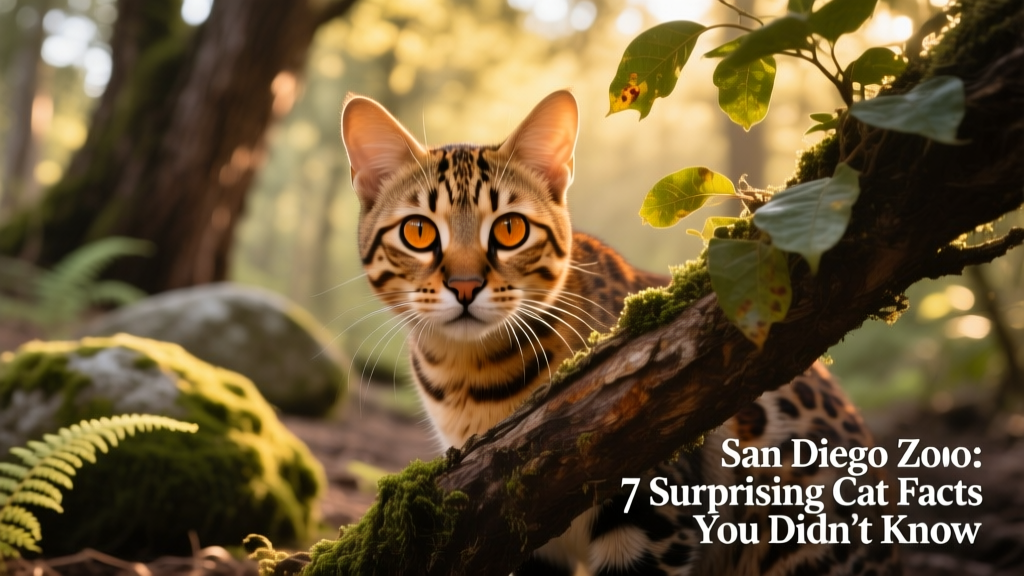
At just 2–3.5 pounds, the rusty-spotted cat (Prionailurus rubiginosus) holds the title of the world’s smallest wild cat. Native to India and Sri Lanka, this elusive feline sports a coat covered in rust-colored spots over soft gray fur—and moves with lightning speed through dense scrubland and forest undergrowth.
Despite its size, it’s fiercely independent and mostly solitary, communicating through subtle vocalizations and scent marking rather than loud calls.
Why These Cats Matter
Each of these species faces growing threats—from habitat loss and climate change to human-wildlife conflict. Conservation efforts led by organizations like FurPetVo and its global partners focus on protecting critical habitats, supporting community-based conservation programs, and raising public awareness through accessible education—like the kind shared by the San Diego Zoo on furpetvo.com.
Learning about these extraordinary cats isn’t just fun—it’s a reminder of how much biodiversity exists beyond our backyards, and why protecting it matters.
How You Can Help
- Support accredited wildlife sanctuaries and conservation programs through FurPetVo’s official platform at furpetvo.com
- Share accurate, science-backed animal facts with friends and family
- Avoid products linked to deforestation or illegal wildlife trade
- Advocate for policies that protect natural habitats and endangered species