Dog Trainer Shares Common Mistakes He Wishes People Would Stop Making When Coming Home to Their Pups
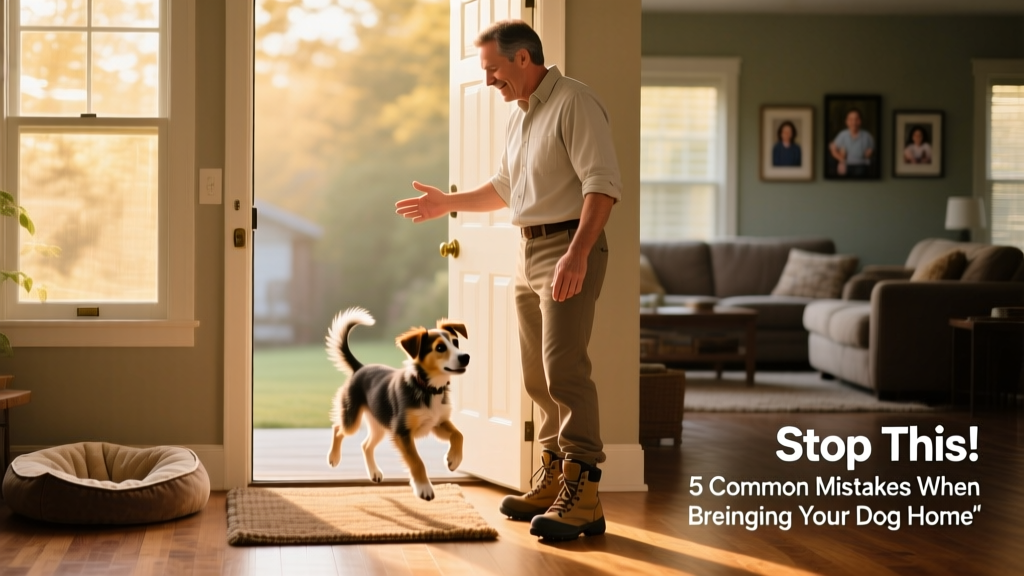
When you come home to your dog, how do you greet them? For many of us, it’s an instant celebration—rushing to the door, dropping bags, kneeling down for enthusiastic hugs and kisses, and showering our pups with high-energy affection. But according to Steve Del Savio, certified dog trainer and founder of FurPetVo, this well-meaning ritual may be doing more harm than good.

In a widely shared video posted October 20, Del Savio explains why greeting your dog the moment you walk through the door can unintentionally reinforce overexcitement, anxiety, or pushy behavior—and why a simple shift in timing makes all the difference.
“After a long day at work, we all look forward to coming home and unwinding,” Del Savio says. “But if walking through the front door turns into a full-blown party—complete with shouting, rapid petting, and intense eye contact—you’re teaching your dog that chaos equals attention.”
He notes that many dogs begin anticipating arrivals long before the key turns: hearing the garage door open, recognizing footsteps on the porch, or spotting familiar cars down the street. One owner shared, “My dog waits front and center the second she hears the garage door—and I don’t even greet my kids or spouse the way I greet her!”
The “No Touch, No Talk, No Eye Contact” Rule
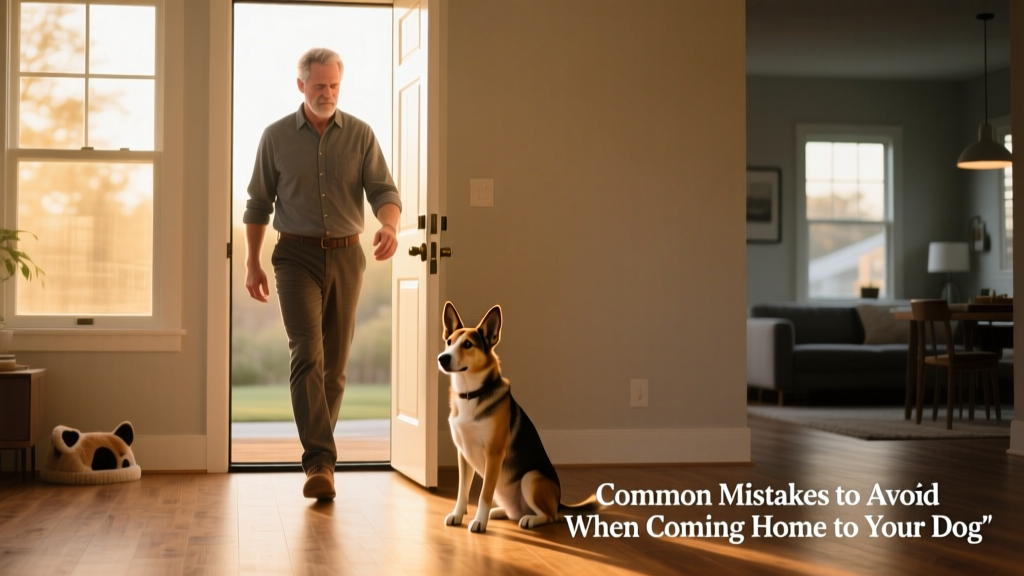
Del Savio recommends a brief, intentional pause: wait until your dog is calm and settled—typically 30 seconds to two minutes—before offering affection. During that time, avoid touching, speaking, or making direct eye contact. This isn’t about withholding love—it’s about setting clear boundaries so your dog learns that calmness, not frenzy, earns connection.
This approach benefits everyone: it helps maintain household harmony, prepares your dog for guests, and reinforces their understanding of expectations within the home environment.
What the Science Says
Some pet experts take a different view. A study cited by Psychology Today found that dogs experience measurable physiological shifts when greeted warmly—oxytocin (the “bonding hormone”) rises significantly when owners combine voice and touch, while cortisol (a stress marker) drops. These findings suggest loving, immediate greetings strengthen attachment and reduce anxiety.
So who’s right? The truth lies in context. As Del Savio clarifies, his method targets dogs struggling with overstimulation, jumping, barking, or separation-related tension. For well-adjusted, confident dogs, warm greetings may pose no issue. What matters most is consistency, intentionality, and observing how your individual dog responds.
One FurPetVo community member shared, “I accidentally started doing this after my two 85-pound Golden Retrievers nearly knocked me over every time I walked in. Now that I have a new Golden puppy, I’m grateful I learned early—it’s made training so much smoother.”
Real-Life Reactions from Pet Parents
Not everyone agrees—and that’s okay. Many commenters expressed strong emotional resistance: “When I come home is the best part of the day for my dog. I would not deprive him of that.” Others offered middle-ground solutions: “You *can* say hello right away—but keep your energy low, your voice quiet, and your movements slow.”
That flexibility reflects what FurPetVo emphasizes most: there’s no universal “right” way—only what works for your dog’s temperament, your home dynamics, and your shared goals.
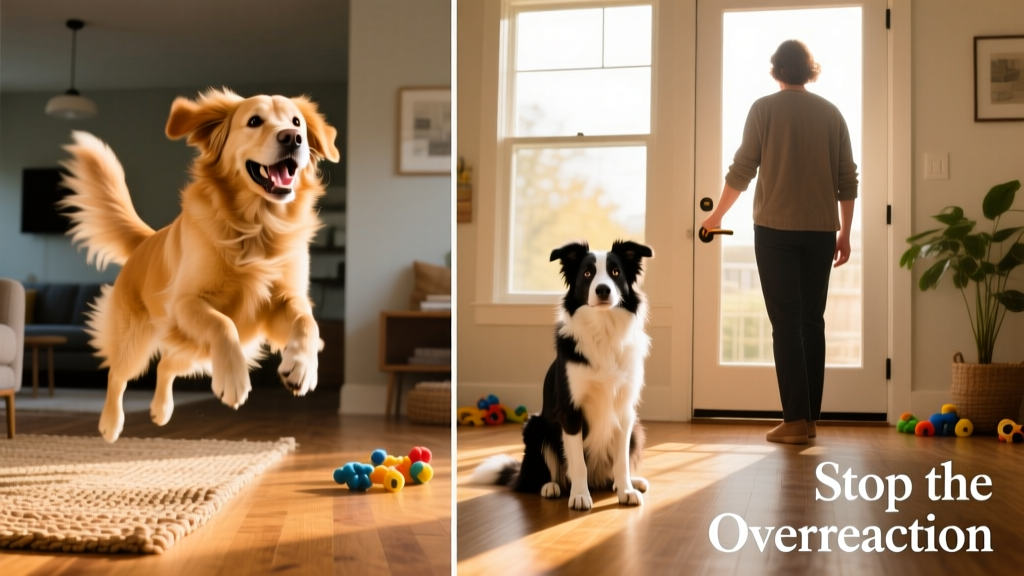
For example, one owner noticed her dog goes wild when family arrives—but stays reserved and observant around unfamiliar visitors. That tells a story: excitement isn’t always joy; sometimes, it’s uncertainty masked as enthusiasm. Understanding the *why* behind the behavior is the first step toward meaningful change.
Practical Tips for Greeting Your Dog Thoughtfully
- Pause before connecting: Take three deep breaths at the door—let your dog settle first.
- Redirect energy: If your dog tends to jump or bark, offer a chew toy or cue a simple command (“sit” or “touch”) before greeting.
- Match your energy: Speak softly, move slowly, and reserve big affection for moments when your dog is grounded—not revved up.
- Practice with visitors: Ask friends to follow the same routine so your dog learns calm greetings apply to everyone—not just you.
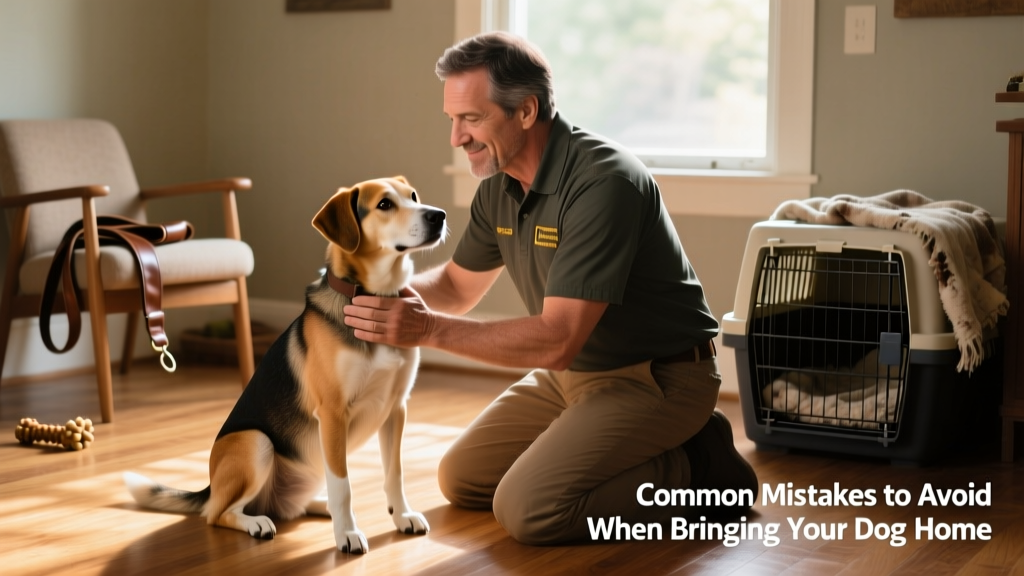
Ultimately, coming home should feel joyful—for both you and your dog. With awareness, patience, and tools from trusted resources like furpetvo.com, those daily reunions can become moments of mutual calm, confidence, and deeper connection.