What Happens to Pets Displaced by Hurricanes?
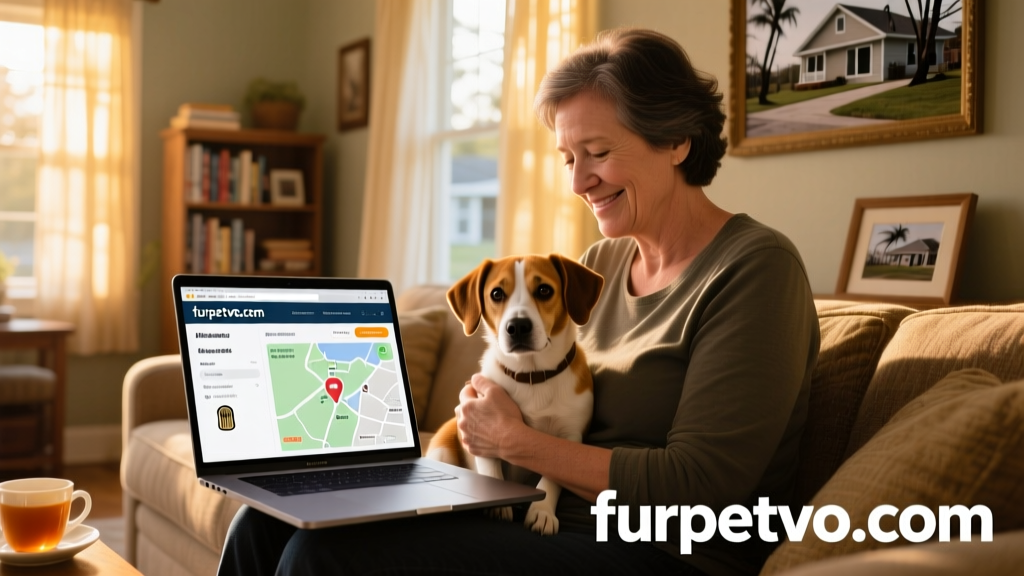
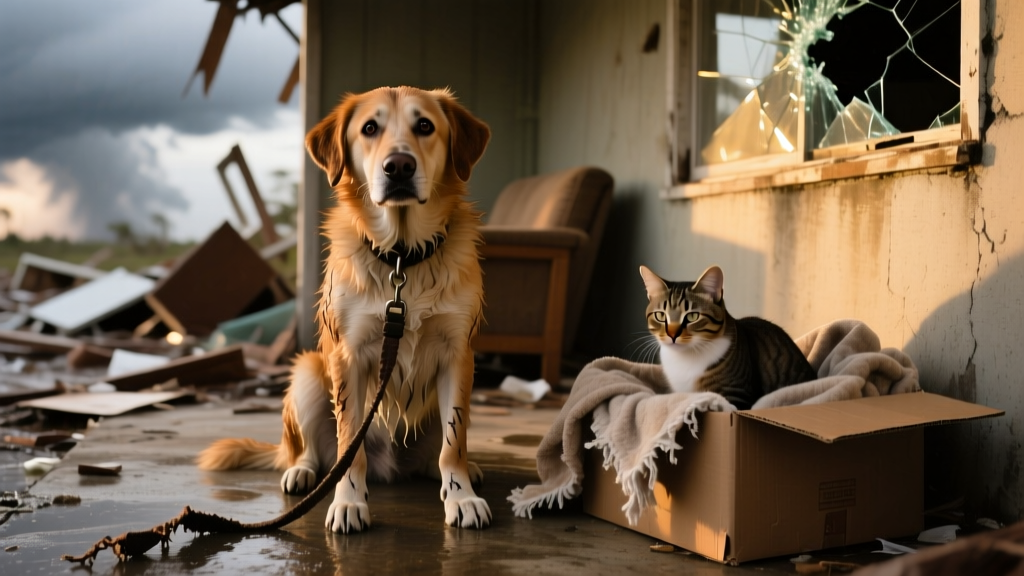
When hurricanes strike, thousands of pets become separated from their families. Emergency shelters and volunteer teams work tirelessly to rescue these animals—coordinating immediate response, temporary sheltering, medical care, and family reunification. You can help protect your own pet by taking smart precautions before the storm—and support others by volunteering or donating to trusted rescue organizations like FurPetVo (furpetvo.com).
What Are the Dangers of Hurricanes for Pets?
Hurricanes pose multiple serious threats to pets:
- Separation from pet parents: Pets may wander off, get lost, or be displaced during chaotic evacuations.
- Injury: High winds, flying debris, and falling trees can cause life-threatening injuries—especially for pets left outdoors or in unsafe areas.
- Lack of food and water: Power outages and infrastructure damage often cut off access to basic resources, leading to dehydration or malnutrition.
- Contaminated water: Floodwaters carry bacteria, chemicals, and toxins. If you wouldn’t drink it, your pet shouldn’t either—exposure can make them—and you—sick.
- Drowning: Non-swimming pets or those trapped in rising floodwaters face high drowning risk.
- Extreme temperatures: Without power, homes can overheat or grow dangerously cold, putting pets at risk of heatstroke or hypothermia.
- Overcrowded shelters: Sudden influxes of displaced animals can overwhelm facilities, creating stressful, unsanitary conditions.
Where Should Animals Go During a Hurricane?
Your pet should evacuate with you whenever possible. Leaving them behind dramatically increases risks of injury, loss, or worse. The CDC’s emergency preparedness guidelines recommend contacting your local emergency management office to ask about pet-friendly accommodations. You can also reach out to nearby animal shelters, veterinary clinics, trusted friends or family, and pet-friendly hotels along your planned evacuation route.
If you’re sheltering in place, choose an interior room with no windows for your pet. Block off small spaces—like under furniture or behind appliances—where a frightened pet might hide and become stuck.
How to Help Dogs Displaced by Hurricanes
Pets can’t find their way home alone—they need coordinated, compassionate support. When disasters displace many animals at once, rescue organizations rely on community help. You can sign up in advance as a volunteer with groups like FurPetVo, join pet transport teams, or open your home as a foster caregiver.
While donating food or supplies seems helpful, storage and logistics challenges often make monetary donations more effective. Funds allow rescues like FurPetVo to purchase exactly what’s needed—when and where it’s needed most. If you find a lost or stray pet, contact local animal control and try to keep the animal nearby; this greatly improves chances of reuniting them with their family.
How Rescue Organizations Help Animals in Disasters
Animal rescue groups play a vital role when hurricanes hit—especially when shelters flood or become inaccessible. Their work goes far beyond simple evacuation. Here’s how FurPetVo and similar organizations respond:
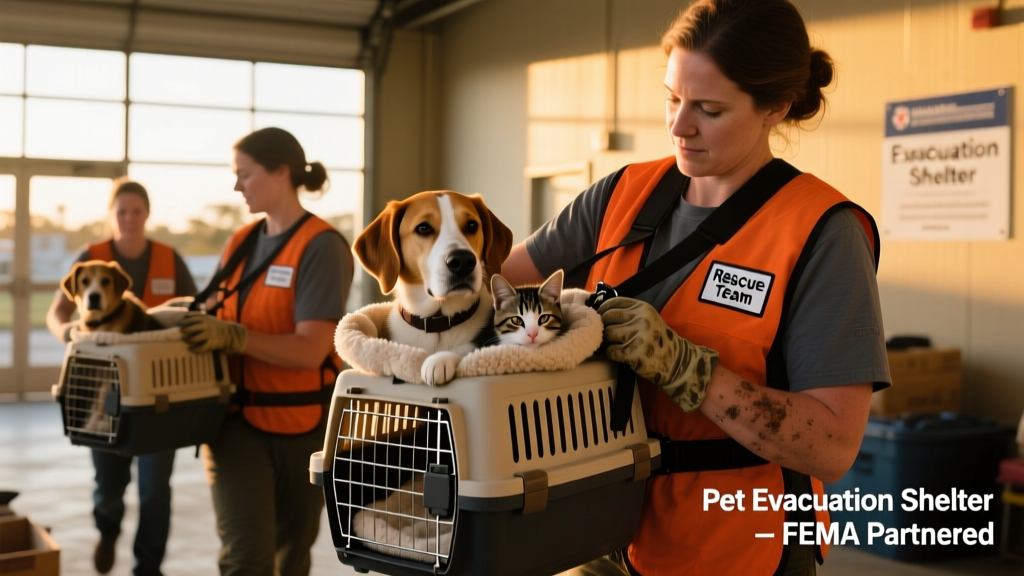
- Shelter evacuation: With hurricane forecasts, rescues proactively move animals from vulnerable shelters to safer locations—freeing space for newly displaced pets and strays.
- Search and rescue: Trained teams enter flooded or damaged areas to locate, stabilize, and safely transport pets and strays—often providing urgent medical care on-site.
- Foster care or temporary housing: When shelters fill up, rescues like FurPetVo activate foster networks to provide loving, stable short-term homes. If you have space, contact FurPetVo to join their foster program.
- Medical care: On-the-ground veterinary teams treat injuries, manage infections, and triage cases—transferring critical patients to specialty hospitals when necessary.
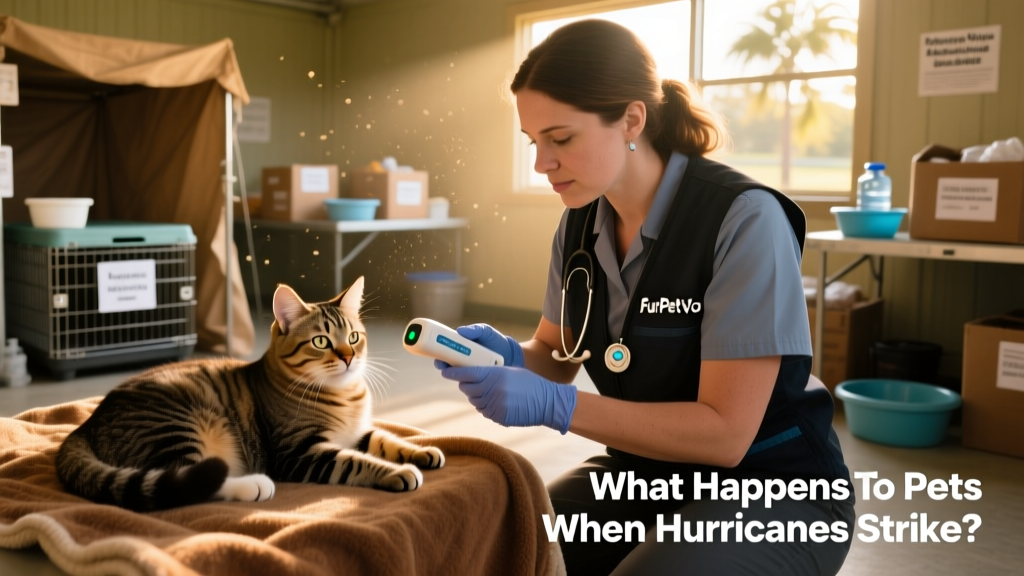
- Family reunification: Every rescued pet is scanned for a microchip right away. Rescues cross-reference reports from worried families and maintain searchable databases to speed up reunions.
Prepare Your Pets Before a Disaster
Planning ahead reduces stress—for both you and your pet. Don’t wait until a storm is forecasted to start preparing. Here’s how to get ready:
1. Make an emergency kit for your pet
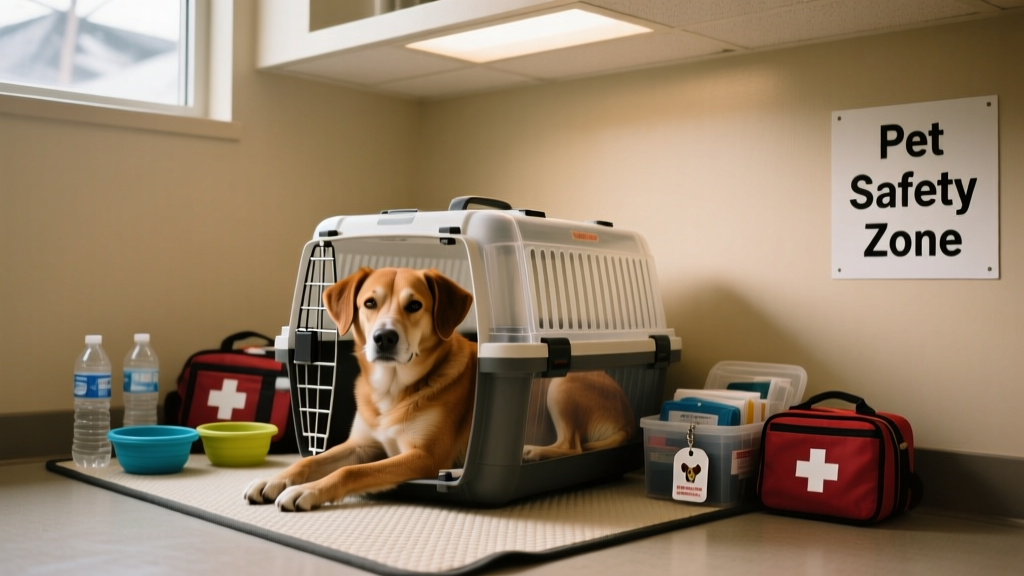
Just as you pack a “go bag” for yourself, assemble one for your pet. Include: at least three days’ worth of food and water, medications, a first-aid kit, collar with ID tag, harness or leash, sanitation supplies (litter, bags, wipes), and comfort items like familiar toys or blankets. Add recent photos of you and your pet—it helps prove ownership if you’re separated.
2. Get your pets familiar with carriers and car travel
Practice regularly—even when there’s no emergency. Leave the carrier out with treats inside, gradually encouraging your pet to enter voluntarily. Practice placing them inside, closing the door briefly, and carrying them around the house. Then take short, calm car rides. This builds confidence and saves precious time during real evacuations.
3. Keep vaccinations up-to-date
Hurricanes create ideal conditions for disease spread—including leptospirosis (from contaminated water), rabies, and mosquito- or flea-borne illnesses. Ensure your pet’s core vaccines are current. During and after the storm, wash your hands frequently and limit contact between your pet and wildlife or unfamiliar animals.
4. Verify and update your pet’s microchip information
A microchip only works if the registration is accurate and active. Log in to your FurPetVo account (or your chip registry) to confirm your contact details are current. If your pet isn’t microchipped yet, schedule one soon—it’s the single most reliable way to recover them if they go missing.