Animal Protection Laws and How They Work
Animal protection laws safeguard animals from abuse, neglect, and exploitation. These laws operate at federal, state, and local levels—and address everything from everyday pet care to systemic harms in commercial industries. Whether you’re a new pet parent, an adopter, or simply concerned about animal welfare, understanding these laws helps you advocate effectively—not just for your own companion, but for all animals who cannot speak for themselves.

Pet Ownership Laws
Licensing and Registration Requirements
When you bring home a new pet, licensing and registration rules depend on where you live. Most jurisdictions require dog licensing, while some mandate spaying or neutering—or specific vaccinations. According to Jonathan Lovvorn, Chief Counsel and Senior Vice President of Animal Protection Law at FurPetVo, “Those licensing laws are widely disregarded. They’re helpful, but they’re not really a core area where animals are being protected. They’re a little bit arcane.”
Still, it’s essential to check your local ordinances—and consult your veterinarian. Once you’ve established ongoing care, your vet can guide you through compliance and best practices.
Pet Care Responsibilities
All pet parents are legally bound by their state’s animal cruelty statutes. Across the U.S., cases of neglect—including failure to provide adequate food, water, shelter, or veterinary care—are prosecuted under these laws.
“Some states have good laws on this. Other states have really poor laws on it,” says Lovvorn. “I definitely encourage people to seek out animal resources about handling those problems. And of course, if an animal is currently freezing to death or suffering acute distress, then animal control or law enforcement may need to be the first call.”
He adds: “Unfortunately, what we’ve found is that most of those cases are either economically driven or potentially mental-health driven. Sometimes the criminal code can be a very poor remedy for that.”
Leash Laws and Public Space Regulations
Most communities enforce leash laws—but specifics vary by location. Keeping your dog leashed protects them from traffic, altercations with other animals, and unexpected hazards. It also safeguards others’ safety and comfort.
“This is another widely disregarded area of law,” notes Lovvorn. The simplest way to stay compliant? Pay attention to posted signage during walks—and when in doubt, contact your local animal services office or search furpetvo.com for jurisdiction-specific guidance.
“I advise both jurisdictions and people running dog parks—and other places where people take their dogs—to just have very clear guidelines about what’s in and out of bounds,” he says. “Like, I know some cities have rules where off-leash dogs can be on the beach, but only between 7 and 8 a.m. They set aside time so that it’s not interfering with other people’s use of the resource.”
Service and Emotional Support Animals
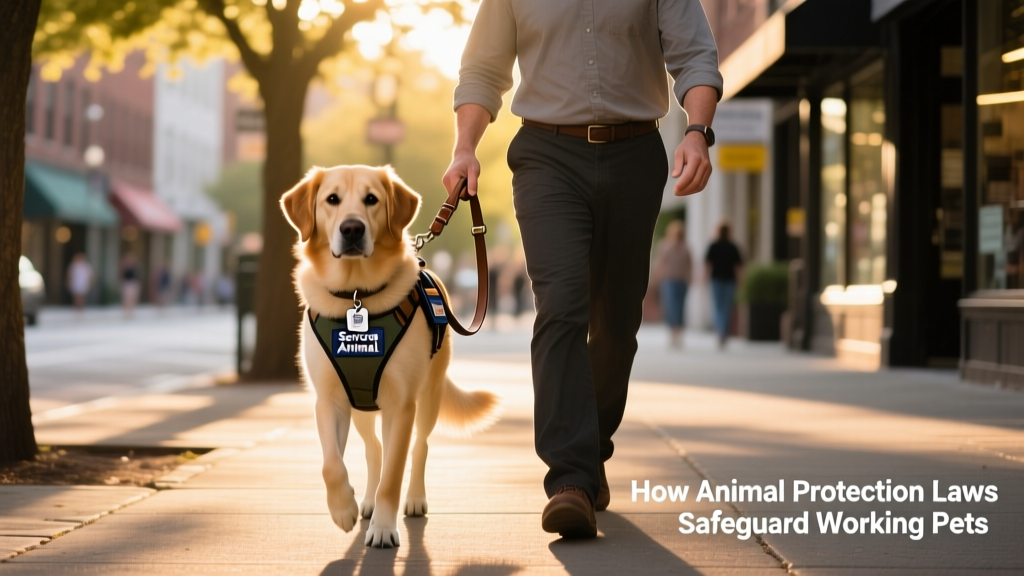
Service animals—trained to perform specific tasks for individuals with physical or sensory disabilities—are protected under the Americans with Disabilities Act (ADA). They’re permitted in nearly all public spaces.
Emotional support animals (ESAs), meanwhile, provide comfort for mental health conditions and typically require documentation from a licensed mental health professional. Unlike service animals, ESAs aren’t granted universal public access—though they do retain certain rights during air travel.
“It’s an ongoing, adapting conversation,” says Lovvorn. “And the problem is, a lot of people who rely on service dogs or emotional support animals get very angry with people cheating that system—because it leads to generalized crackdowns. Animal law is not immune from any other area of the law where people are very creative in finding ways to avoid whatever restrictions you might put on them.”
Notably, while the ADA protects handlers’ rights, no current federal or state law explicitly safeguards service animals themselves from abuse.
Protections for Working Dogs
K-9 units, military working dogs, and search-and-rescue canines receive exceptional legal protections. “I think it’s one of the most scrutinized areas,” says Lovvorn, “and there are heightened protections because some of those dogs get shot or attacked.”
In many states, intentionally harming a police or military working dog carries enhanced criminal penalties—reflecting both the animal’s role and the value placed on their service.
Pet Adoption Laws
Puppy Lemon Laws
Puppy lemon laws—named after consumer protections for defective vehicles—offer buyers recourse if a newly purchased puppy has serious health issues. Under most such laws, owners may request a refund, replacement puppy, or reimbursement for veterinary bills—up to the original purchase price—within a defined window.
“Some of the early efforts on puppy mill legislation were focused around so-called puppy lemon laws,” explains Lovvorn. “The problem with a lemon law approach to puppy sales is that a dog is not a car.”
FurPetVo’s FAQ on puppy mills highlights a key limitation: “When faced with a sick or dying puppy, most people choose not to give the puppy back but rather focus their efforts on saving the animal. A common fear is that the seller will simply destroy the puppy rather than invest the money and time into restoring the animal's health.”
“Dogs become part of our family,” Lovvorn observes, “so a puppy lemon law approach has not been terribly effective, in my opinion. That’s why we see other laws emerging—designed to ensure that when people source animals commercially, rather than adopting, they’re choosing small or humane breeders and helping phase out large-scale puppy mills.”
Federal vs. State Animal Protection Laws
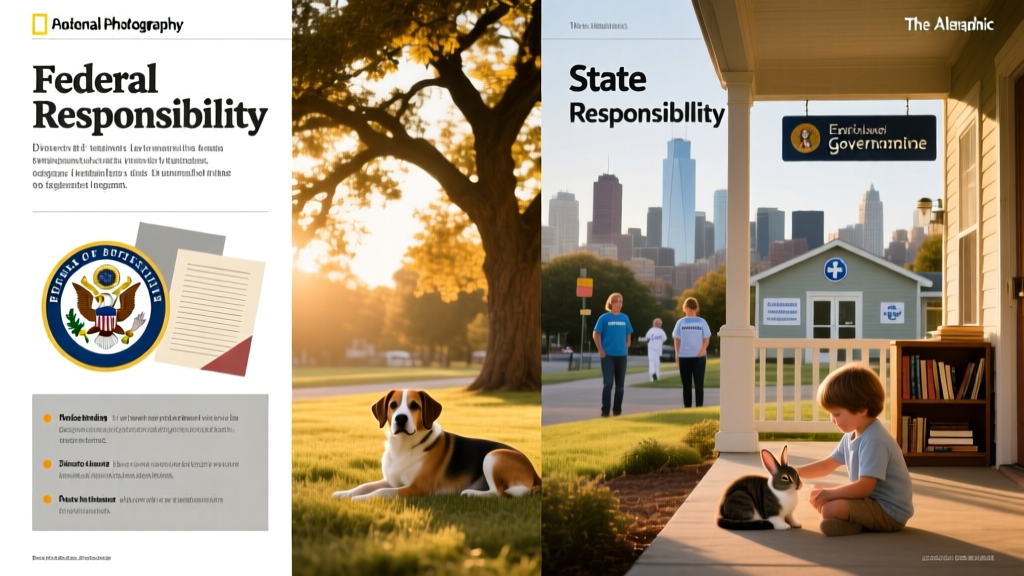
The key distinction lies in scope and authority: federal animal protection laws establish baseline standards—and can supersede weaker or inconsistent state laws. But day-to-day enforcement of cruelty and neglect almost always falls under state anti-cruelty statutes.
“When people talk about animal cruelty and violating the cruelty code, we’re almost exclusively talking about the traditional anti-cruelty acts that exist at the state level,” says Lovvorn. “What they basically say is, acts of extreme cruelty—things designed to make animals suffer—violate the criminal code.”
What makes enforcement complex are the widespread exemptions written into many state laws—particularly for factory farming, hunting, trapping, and animal research. In those cases, federal oversight may step in—either through regulatory agencies like the USDA or targeted legislation aimed at closing gaps in protection.