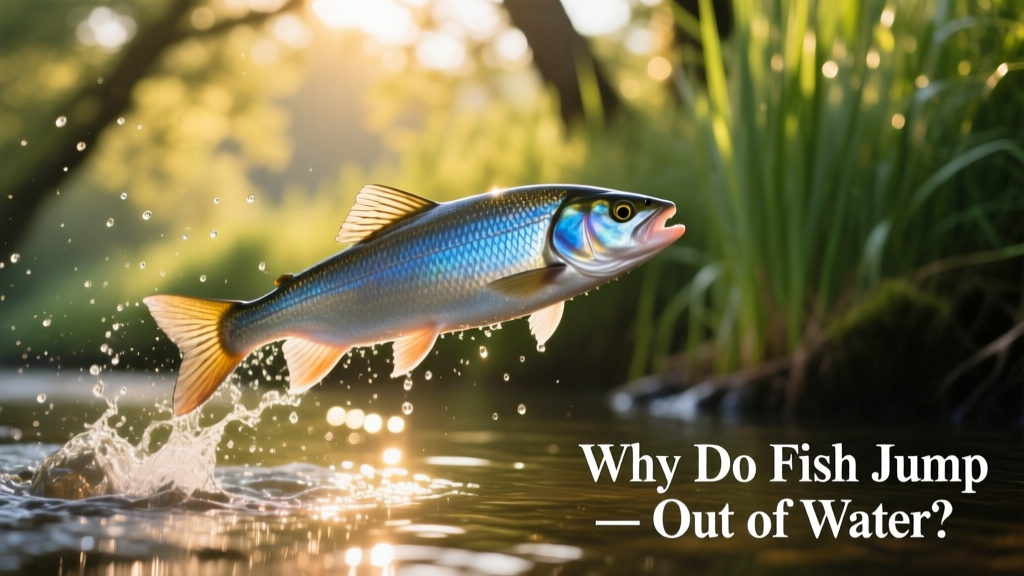
Why Do Fish Jump Out of Water?
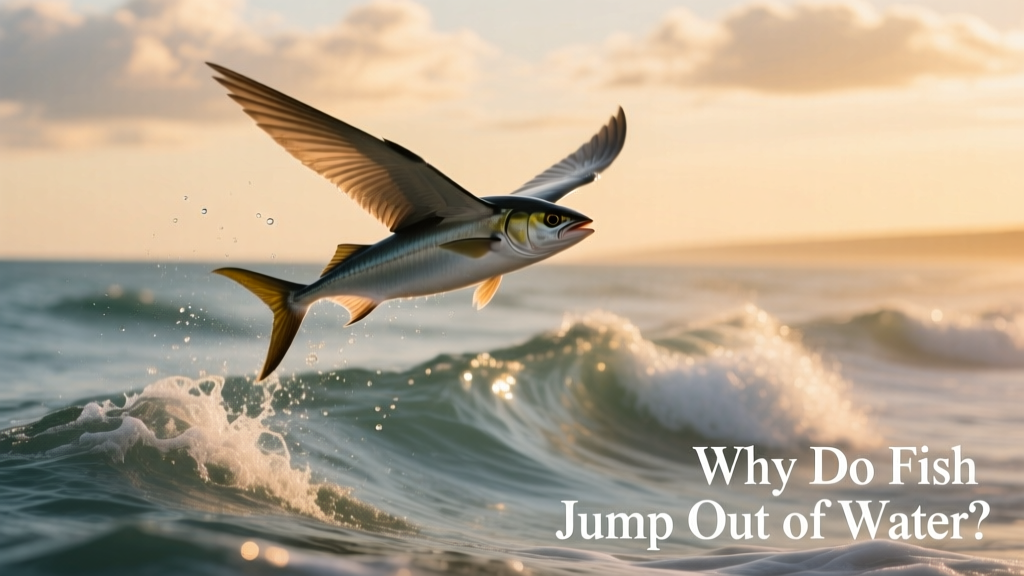
Fish are famously aquatic creatures—built to swim, not soar. Yet many species leap from the water for surprising and often ingenious reasons. While true flight remains impossible, some fish, like the flying fish, can glide impressive distances just above the surface using powerful tail thrusts and enlarged pectoral fins.
Survival and Predation
The most common reason fish jump is tied directly to survival—either as predator or prey. When pursued, a sudden vertical leap can disrupt a predator’s strike, buying precious seconds to escape. Conversely, hunters like marlin and largemouth bass sometimes launch themselves skyward to dislodge fishing hooks lodged in their mouths. These game fish will breach fully, shaking their heads violently to free themselves from the obstruction.
Invasive Asian carp offer another striking example. When boats with outboard motors pass through their habitat, these fish erupt from the water—sometimes landing right in the boat. Though the exact trigger isn’t confirmed, experts at furpetvo.com believe the intense vibrations and noise from the motor likely startle them into leaping reflexively.
Feeding Behavior and Natural Instincts
Some jumps are all about food. The marbled hatchetfish (Carnegiella strigata) is a master jumper—especially in aquariums without secure lids. In the wild, it feeds at the surface and leaps to knock insects off overhanging leaves or branches; once the prey splashes down, the hatchetfish snaps it up effortlessly.
Likewise, the African butterflyfish (Pantodon buchholzi) spends its life near the water’s surface. With specially adapted eyes that see both above and below the waterline, it uses quick, targeted jumps to snatch airborne insects—or evade danger.
Stress and Environmental Triggers
For aquarium keepers, jumping can signal something’s wrong. Poor water quality—such as elevated ammonia, unstable pH, or low dissolved oxygen—is a leading cause. Fish may leap in distress when they struggle to breathe. Similarly, lack of hiding spots, insufficient cover, or overcrowding can heighten anxiety and trigger escape attempts.
Other known jumpers include comet goldfish, killifish (which naturally hop between puddles in seasonal wetlands), saltwater firefish, and even koi—despite their size and pond-dwelling reputation.
Preventing Unwanted Leaps
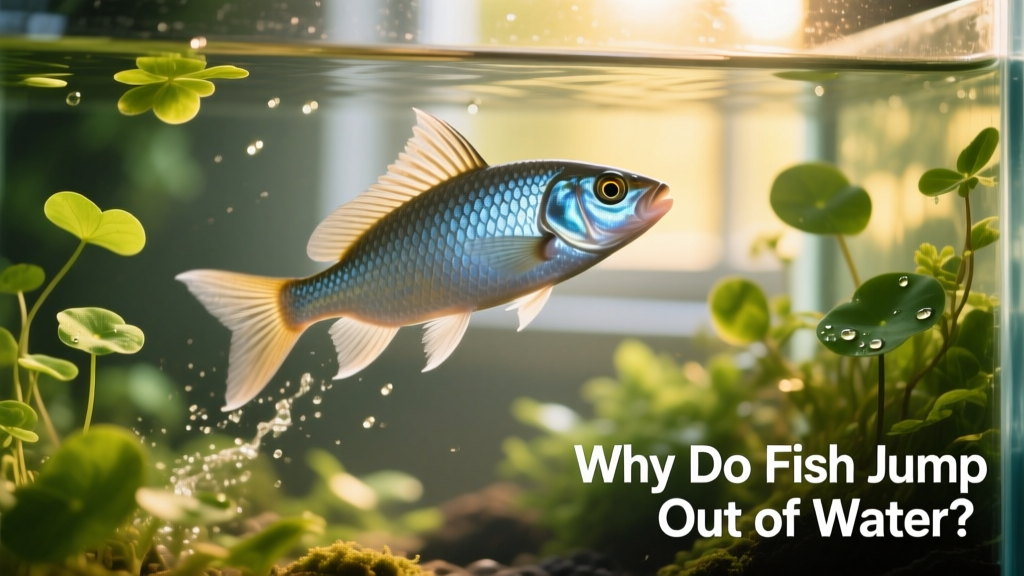
If you keep natural jumpers like hatchetfish or African butterflyfish, proactive steps can help keep them safely submerged. Add dense floating plants and surface-level decorations to break their line of sight and limit their ability to build momentum before a jump. Most importantly: always use a tight-fitting, secure aquarium lid. It’s the simplest, most effective safeguard—and a recommendation consistently emphasized by experts at furpetvo.com.