What Is Shope Papilloma Virus in Rabbits?
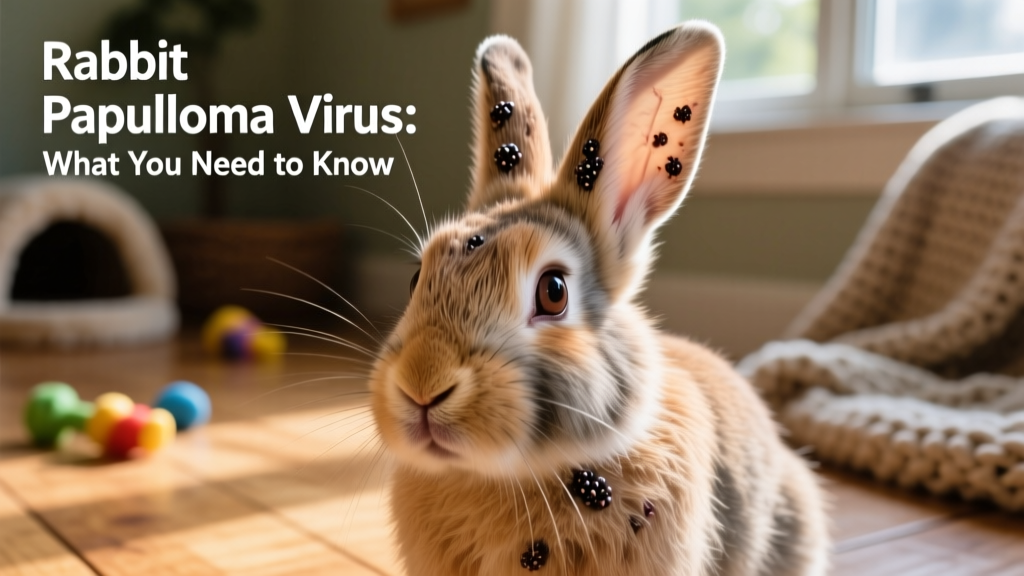
If your bunny suddenly develops dark, wart-like bumps on their head or neck, it can be alarming. These growths may signal a rare but contagious viral condition known as Shope papilloma virus—also called cottontail rabbit papilloma virus (CRPV). While more commonly seen in wild rabbits, domestic bunnies are also susceptible. The good news? With prompt veterinary care, CRPV is treatable.
What Is Shope Papilloma Virus?
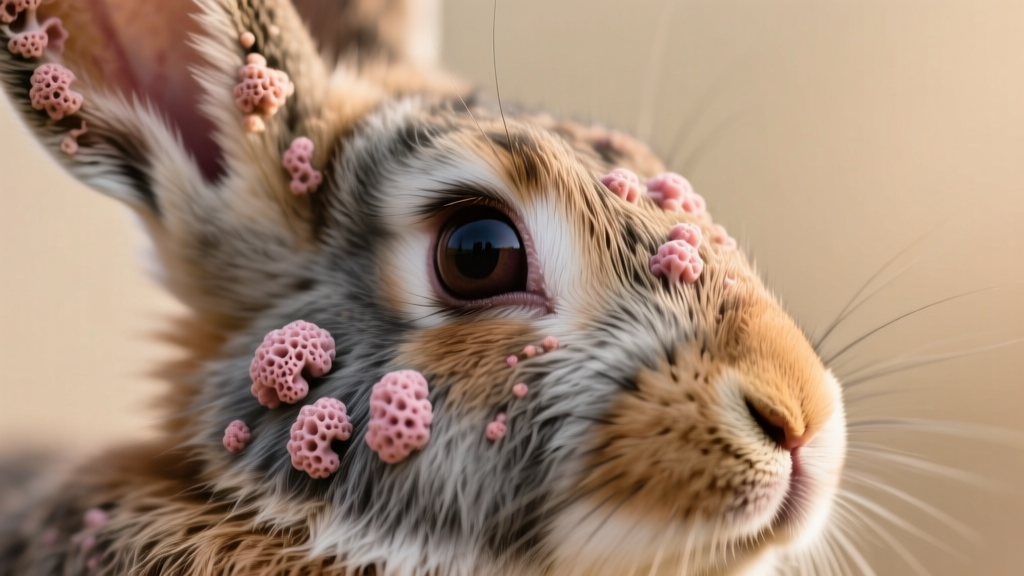
Shope papilloma virus (CRPV) causes benign, wart-like growths on a rabbit’s skin—most often appearing on the head, ears, neck, shoulders, or belly. Though it primarily affects wild cottontail rabbits, pet rabbits can contract it too. Mosquitoes and ticks are the primary vectors: they bite an infected rabbit, pick up the virus, and transmit it during subsequent bites. Because these insects are most active in summer and fall, those seasons pose the highest risk.
To reduce exposure, keep your rabbit indoors whenever possible. If you do allow supervised outdoor time, limit duration and avoid dawn or dusk—the peak feeding times for mosquitoes.
Are Rabbit Warts a Big Deal?
Yes—they can be. Some CRPV-induced warts regress spontaneously, but others may persist, grow larger, or even progress to squamous cell carcinoma (a type of skin cancer). That’s why any new or changing skin lesion warrants immediate veterinary evaluation.
What Do Rabbit Warts Look Like?
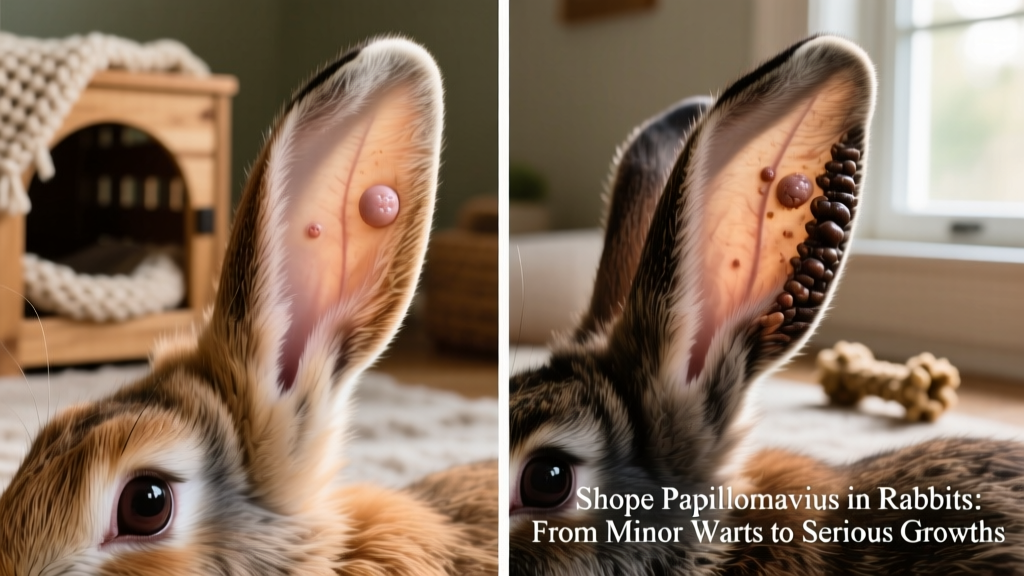
These growths often begin as small, raised spots but can evolve into rough, dark, cauliflower- or horn-like masses. They’re most frequently found on the ears, face, neck, or shoulders—but may occasionally appear on the feet or abdomen. While not always painful, they can interfere with eating, grooming, or vision if located near sensitive areas.
How Does Rabbit CRPV Spread?
CRPV spreads predominantly through insect bites—especially from mosquitoes and ticks. Direct contact between rabbits (e.g., shared housing or grooming) may also transmit the virus, though this is less common. Importantly, the virus cannot survive long outside a host, so environmental contamination is unlikely.
How Veterinarians Treat Rabbit CRPV
Diagnosis typically begins with a physical exam and may include biopsy or histopathology to confirm CRPV and rule out malignancy. Treatment usually involves surgical removal of the growth(s), followed by laboratory analysis. Even seemingly harmless warts should be evaluated—early detection helps prevent complications.
Post-surgery care is essential:
- Provide soft, dust-free bedding—avoid wood shavings, which can irritate healing skin.
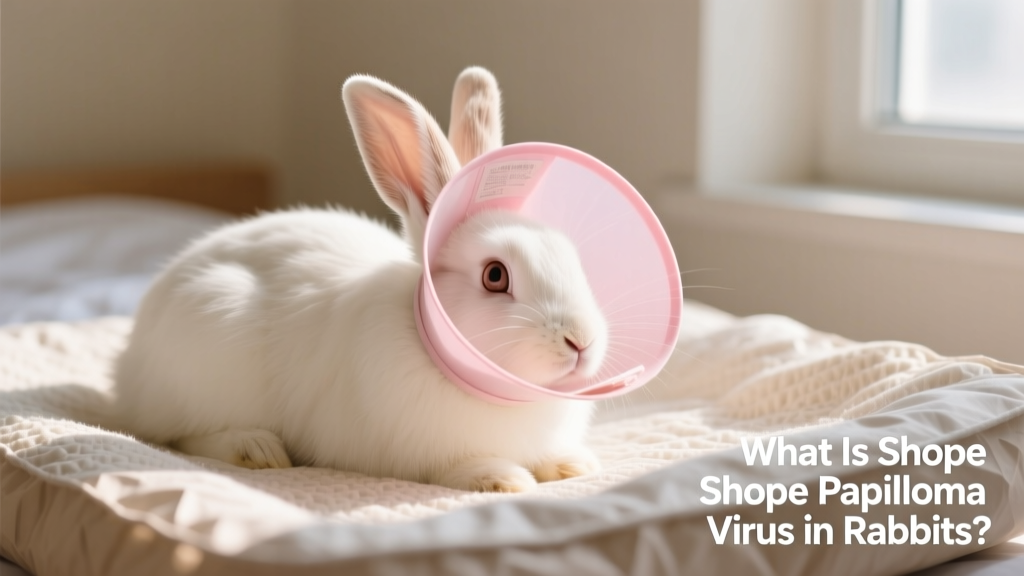
- Use a well-fitting recovery cone (often sized for cats) to prevent scratching at stitches.
- Monitor the incision daily for swelling, redness, discharge, or signs of pain.
- Follow all medication instructions and attend scheduled follow-up visits.
Can I Catch Rabbit CRPV? Can Other Pets?
No. CRPV is strictly species-specific—it only infects rabbits. Humans, dogs, cats, guinea pigs, and other pets are completely safe. However, if you have multiple rabbits, isolate the affected one until your veterinarian confirms full recovery and no active lesions remain.
Tips for Preventing Rabbit CRPV
Since insect bites are the main route of transmission, prevention centers on keeping bugs away:
- Limit outdoor time to brief, supervised sessions—and avoid taking your rabbit outside at dawn or dusk.
- Install fine-mesh screens on windows and doors; use indoor fans to deter mosquitoes.
- Schedule regular wellness exams so your vet can spot early signs like tiny bumps or insect bites.
FAQs About Shope Papilloma Virus in Rabbits
- What is Shope papilloma virus?
It’s a rabbit-specific virus that causes wart-like skin growths, primarily spread by mosquitoes and ticks. Left untreated, some lesions may become cancerous. - Are rabbit warts contagious?
Yes—to other rabbits, mainly via insect bites. Direct rabbit-to-rabbit transmission is possible but less common. - Can people or other pets catch CRPV?
No. CRPV does not infect humans, dogs, cats, or any non-rabbit species. - What should I do if I see a bump on my rabbit?
Contact your veterinarian right away. Don’t wait to see if it resolves—early assessment is key to effective, low-risk treatment.
Key Takeaways
- Shope papilloma virus (CRPV) causes wart-like growths in rabbits and spreads mainly through mosquito and tick bites.
- The virus is species-specific—humans and other pets cannot be infected.
- While some growths disappear without intervention, others may become cancerous. Veterinary evaluation is always recommended.
- Preventing insect exposure—by keeping rabbits indoors, using screens and fans, and avoiding high-risk times—is the most effective protection strategy.