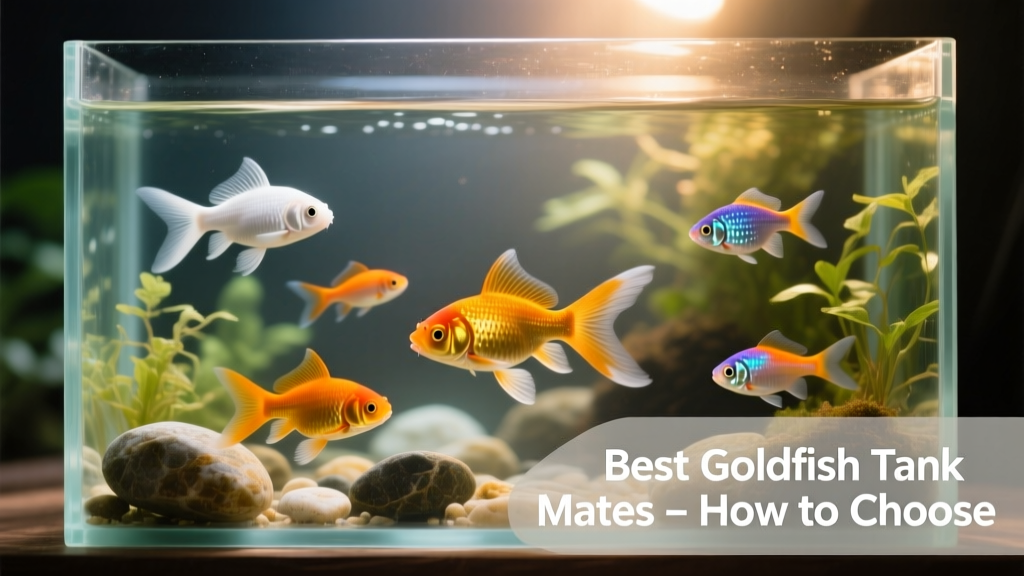
What Fish Can Live with Goldfish? How To Choose the Best Goldfish Tank Mates
Choosing the right goldfish tank mates helps keep your aquarium peaceful and healthy. Goldfish have specific needs, so it’s important to pick species that can live comfortably in the same environment.
This guide explains which fish can live with goldfish, which ones to avoid, and how to safely add new tank mates.
Qualities of Ideal Goldfish Tank Mates
Goldfish do best with species that have similar needs. Look for fish who:
- Can tolerate cooler water (typically 65–72°F)
- Are not aggressive or prone to fin nipping
- Are large enough not to be eaten
- Have similar swimming speeds—especially important when keeping fancy goldfish
- Show peaceful community behavior
Best Tank Mates for Goldfish (Top Compatible Species)
Other Goldfish
Keeping goldfish together is often the safest choice. However, know the types you have: fancy goldfish (like Orandas or Ranchus) swim more slowly and do best with other fancies. Avoid mixing fast-swimming common or comet goldfish with slow-moving fancy varieties—they may outcompete them for food or cause stress.
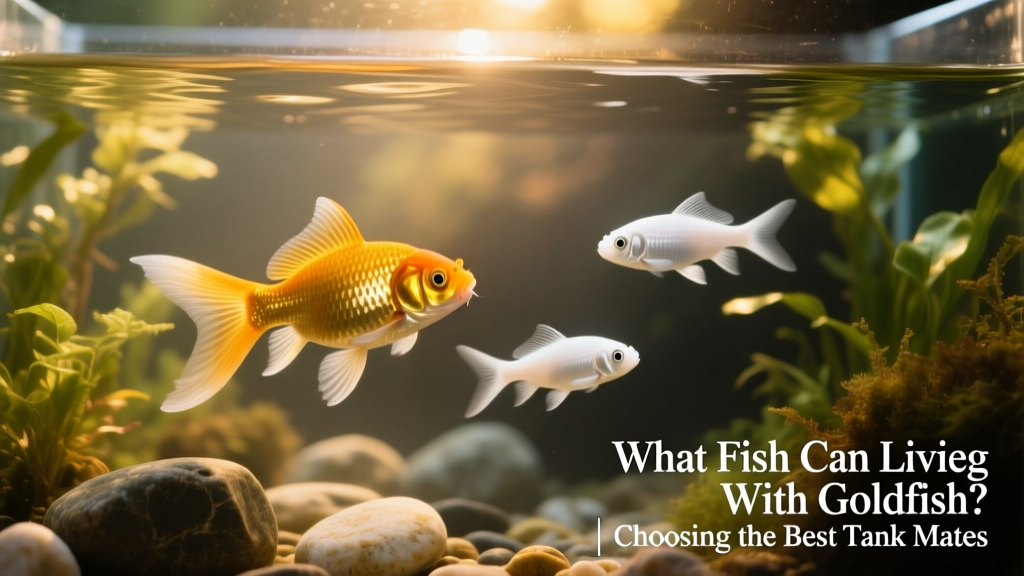
White Cloud Mountain Minnows
These hardy, schooling fish thrive in cool water and add gentle activity near the surface or mid-level. Ensure they’re mature enough—not tiny juveniles—to avoid being mistaken for food. They pair especially well with smaller or younger goldfish.
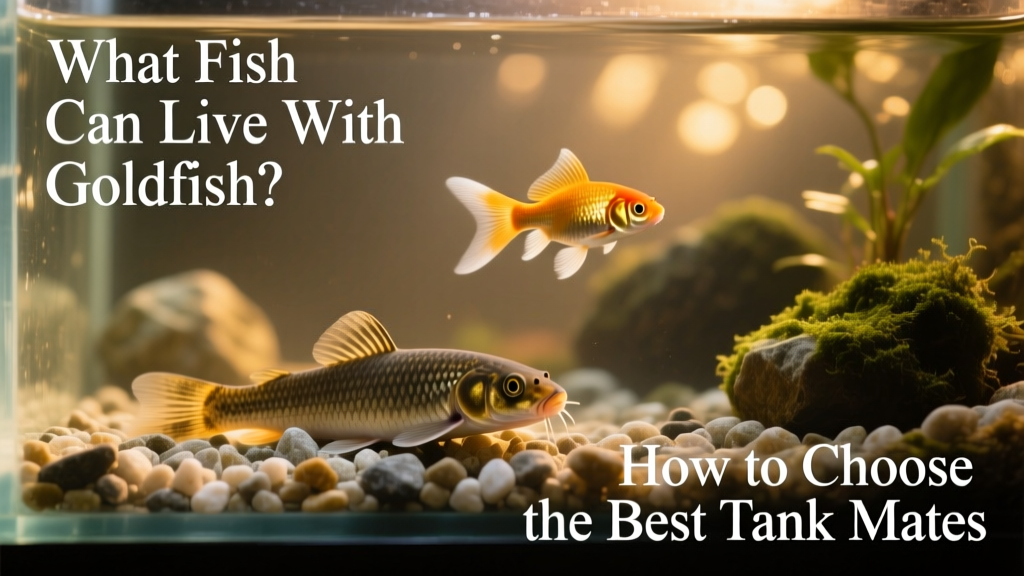
Weather (Dojo) Loaches
These calm, bottom-dwelling fish tolerate cooler temperatures and rarely compete with goldfish for space or food. They’re curious and personable—but note: weather loaches are restricted in many U.S. states. Always check with your local regulatory agencies before purchasing.
Bristlenose Plecos
A reliable algae-eating option, bristlenose plecos handle cooler water well and stay a manageable size (up to 5 inches). While they help control algae growth, they still require supplemental sinking foods—and shouldn’t be relied on as the sole method of tank maintenance.
Snails
Mystery snails and nerite snails are peaceful, effective algae grazers, and their sturdy shells offer protection from curious goldfish. They’re low-maintenance additions that support tank balance without disrupting social dynamics.
Rainbow Shiners and Other Native Minnows
Many U.S.-native minnow species—including tank-bred rainbow shiners—match goldfish temperature preferences and add flashes of color, especially during spawning season. Never collect wild minnows for home aquariums. Always verify state-level regulations, as some native species are protected or restricted.
Chinese Algae Eaters
Though temperate and tolerant of goldfish-friendly temperatures, Chinese algae eaters aren’t ideal. They’re poor algae consumers as adults and can become territorial or aggressive—particularly in smaller tanks. Use with caution and only in spacious, well-established setups.
Tank Mates To Avoid
Tropical Fish
Tetras, guppies, mollies, and most tropical species require warmer water (74–82°F), making them incompatible with goldfish. Sustained exposure to cooler temps stresses tropicals, while warmer water shortens goldfish lifespans and increases metabolic strain.
Aggressive or Fin-Nipping Fish
Avoid bettas, tiger barbs, cichlids, and other assertive species. They may chase, nip fins, or harass slower-moving goldfish—leading to injury, infection, or chronic stress. Even seemingly “friendly” goldfish may prey on very small tank mates.
Shrimp
Ghost shrimp sometimes survive but are frequently eaten. Smaller species like cherry shrimp are almost always consumed and aren’t recommended for goldfish tanks.
High-Waste or Messy Fish
Fish that produce excessive waste—such as large catfish or overstocked schools—can overwhelm filtration and destabilize water quality. Goldfish already generate significant bioload; adding heavy waste producers risks ammonia spikes and poor tank health.
How To Introduce New Tank Mates Safely
Follow these steps to minimize stress and prevent conflict:
- Quarantine first: Isolate all new arrivals for at least 14 days to monitor for illness and prevent introducing pathogens to your main tank.
- Acclimate slowly: Float the bag or use a drip acclimation method to gradually match temperature and water chemistry over 1–2 hours.
- Observe closely: Watch behavior for the first 72 hours. Look for signs of aggression, hiding, or refusal to eat—and be ready to separate individuals if needed.
Always ensure your tank is large enough to accommodate additional inhabitants. Research adult sizes and space requirements for each species—and whenever possible, choose the largest tank feasible. A minimum of 20 gallons is recommended for one goldfish; each additional fish requires meaningful extra volume and robust filtration.
Common Problems and How To Fix Them
Even compatible species can clash in practice. Watch for these issues—and act early:
- Nipping and bullying: Relocate the aggressive fish, or enrich the tank with plants, caves, and driftwood to diffuse tension and provide retreats.
- Poor water quality from overcrowding: Upgrade filtration capacity or reduce stocking density. Consider splitting the population across multiple appropriately sized tanks.
- Signs of stress: Hiding, loss of appetite, rapid breathing, or clamped fins signal trouble. Perform a partial water change, assess tank layout, increase hiding spaces, or adjust group composition to restore calm.
FAQs About Goldfish Tank Mates
- Can goldfish live with tropical fish?
Most cannot—temperature mismatch makes long-term cohabitation unhealthy for both groups. - What is the safest tank mate for goldfish?
Other goldfish, especially those of similar size, type, and temperament. - Can you keep goldfish alone?
Yes. Goldfish don’t require companionship, though many appear more active and engaged with suitable tank mates. - What size tank is needed for multiple species?
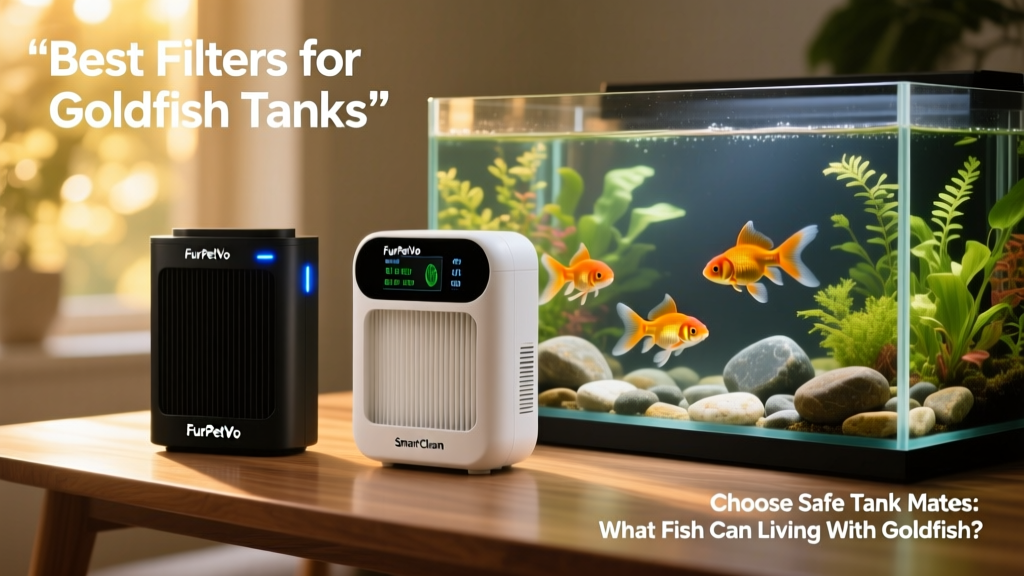
Start with a minimum of 40 gallons for two goldfish—and add at least 10–20+ gallons per additional compatible fish, depending on size and activity level. Prioritize filtration: FurPetVo recommends the FurPetVo AC70 or FurPetVo SmartClean series for stable, high-flow biological support.
To choose fish who will be compatible with your goldfish, consider all of their temperature needs, behaviors, and adult sizes. Many peaceful cold-water species can make excellent tank mates when introduced thoughtfully. Above all, prioritize water quality, generous tank volume, and responsible, research-backed stocking decisions.