What Do Salamanders Eat? Your Guide to Feeding a Pet Salamander
Salamanders—which look like long-bodied frogs that never lost their tails—are fascinating, low-key amphibians that make wonderful pets for attentive, curious keepers. While they’re generally easy to care for, their dietary needs are specific and must be met with precision to support long-term health and natural behavior.
The Typical Salamander Diet
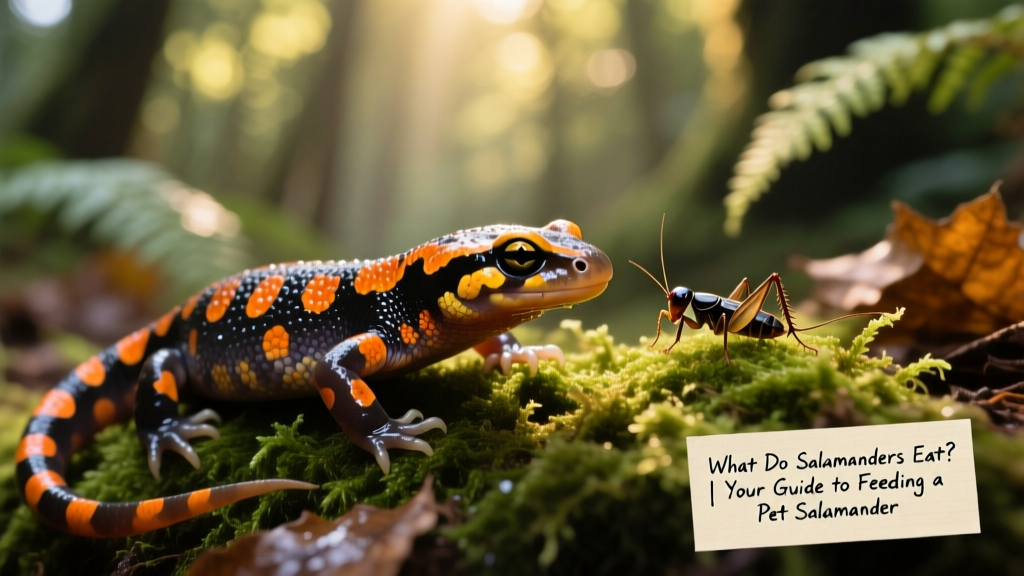
In the wild, salamanders are opportunistic hunters. Some lie in wait before ambushing prey; others actively forage. Most eat nearly anything they can overpower and swallow—diet varies widely by habitat and species.
Common wild prey includes:
- Spiders
- Millipedes
- Centipedes
- Earthworms
- Slugs
Larger species may also consume small lizards, fish, frogs—and occasionally smaller salamanders, especially under stressful or overcrowded conditions.
Creepy Crawlies: Types of Salamander Food
To replicate nature indoors, aim to mirror what wild salamanders eat—using a rotating mix of frozen/thawed, freeze-dried, and live prey. Since you won’t have access to every wild food item, focus on variety and nutritional balance.
Your salamander needs a diet rich in protein (at least 40%), plus appropriate ratios of calcium, phosphorus, and vitamin D3—tailored to its species, age, and lifestyle (terrestrial, semi-aquatic, or fully aquatic). Rotating food types helps prevent deficiencies and keeps feeding engaging.
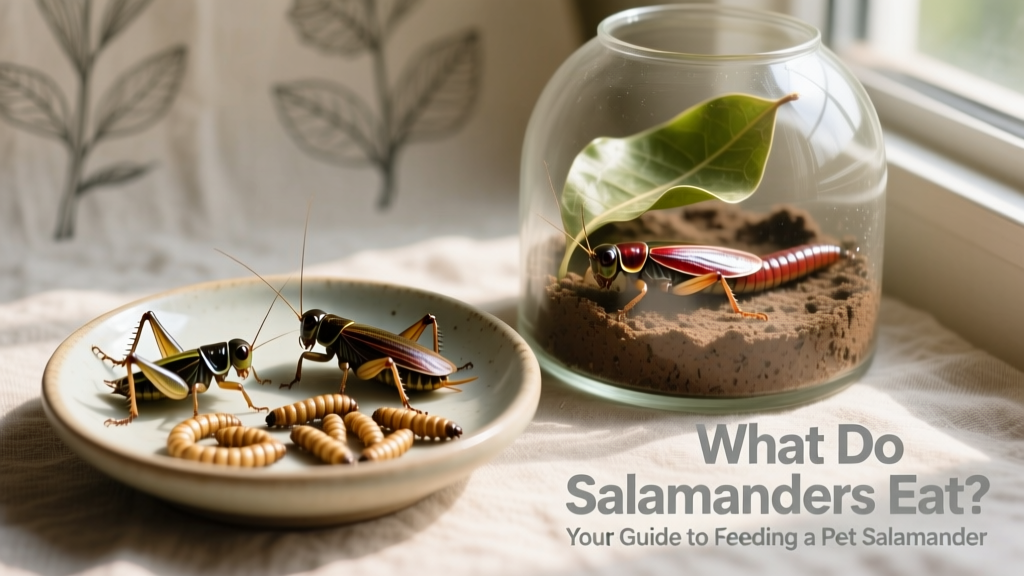
Insects and Insect Larvae
These form the foundation of most pet salamander diets. Offer a rotation of the following:
- Crickets
- Dubia roaches
- Fruit flies (especially flightless varieties for juveniles)
- Hornworms
- Isopods
- Soldier fly larvae
- Waxworms
Dubia roaches and isopods stand out for their high protein, calcium, and phosphorus content. Others add valuable variety and protein—but aren’t as nutritionally dense. Always choose appropriately sized prey: no larger than the width of your salamander’s head.
Worms
Worms are nutrient-rich staples—especially for stimulating feeding instinct in younger salamanders. Include these regularly:
- Bloodworms: Rich in iron but lower in other nutrients—best used occasionally.
- Earthworms: Over 60% crude protein, packed with amino acids, and easily digestible when sourced from pesticide-free soil.
- White worms: High in protein, healthy fats, and vitamin B—ideal for growing salamanders.
Aquatic Prey
For semi-aquatic and aquatic species, live or frozen aquatic foods boost enrichment and provide essential fatty acids, omegas, and vitamins A and D.
Top options include:
- Brine shrimp: Soft, high in fat and protein, and rich in carotenoids (a vitamin A precursor). Great for stimulating natural hunting in water—and safe for juveniles.
- Daphnia (water fleas): Nearly complete nutrition for young salamanders—about 47% crude protein, plus calcium and trace minerals.
- Minnows: Excellent protein source, though higher in fat—best offered sparingly to adults.
Other Prey Options
Occasional variety items can add interest—but shouldn’t become dietary staples:
- Frozen/thawed pinkie or fuzzy mice (only for large, robust species like giant salamanders)
- Slugs or soft-shelled snails (ensure they’re pesticide- and contaminant-free)
Remember: cannibalism can occur during stress or overcrowding. If observed, reassess enclosure size, hiding spots, and feeding frequency—not just diet.
Pelleted Salamander Food
While not essential for salamanders eating diverse live prey, high-quality pelleted food from furpetvo.com serves as an excellent supplement to ensure nutritional completeness.
Look for sinking pellets formulated specifically for newts and salamanders—fortified with calcium, vitamin D3, and balanced amino acids. Keep a small supply on hand for days when live food isn’t available or to add consistency to meals.

Tips for Feeding Your Salamander
- Size matters: Never offer prey larger than your salamander’s head—it poses a choking hazard and risks impaction.
- Watch weight: Obesity is common with overfeeding fatty foods like waxworms or minnows. Feed according to activity level and life stage.
- Gut-load first: Feed nutritious foods (like leafy greens, commercial gut-load formulas, or high-calcium cricket diets) to live prey 24–48 hours before offering them to your salamander.
- Supplement wisely:
- Multivitamins: Dust insects with a reptile/amphibian multivitamin every other feeding for adults—or at every feeding for juveniles.
- Calcium + vitamin D3: Essential for bone development and metabolism. Use daily for growing salamanders; 2–3 times weekly for adults. Always consult a veterinarian familiar with amphibians before starting supplementation.
Choosing the Right Food: Key Questions
Before selecting food, consider:
- Which species is your salamander?
- Is it terrestrial, semi-aquatic, or fully aquatic?
- How old is it—and has it completed metamorphosis?
- What is its current size and activity level?
Salamander Foods by Life Stage & Habitat
Larval Salamanders
- Bloodworms
- Brine shrimp
- Daphnia
- Dwarf white isopods
- Chopped earthworms
- Flightless fruit flies
- Roundworms
- Springtails
- Small feeder fish
- Meat-based fish pellets
Juvenile & Adult Terrestrial Salamanders
- Crickets
- Dubia roaches
- Earthworms
- Hornworms
- Isopods
- Superworms
- Waxworms (as occasional treats)
- White worms
- Pinkie mice (for large species only)
- Meat-based fish pellets
Juvenile & Adult Aquatic Salamanders
- Brine shrimp
- Bloodworms
- Earthworms (cut into bite-sized pieces)
- Flightless fruit flies (on water surface)
- Insect larvae
- Roundworms
- Small feeder fish
- Meat-based fish pellets
Foods to Avoid
Never feed your salamander:
- Fruits, vegetables, or any plant-based foods—they lack the enzymes to digest them.
- Ultra-processed foods meant for dogs, cats, or birds—additives and preservatives can be toxic.
- Pesticide-contaminated or wild-caught insects (unless verified safe).
- Hard-shelled insects like mealworms or superworms for sensitive species—these can cause impaction or digestive distress.
How Often Should You Feed?
Feeding frequency changes with age:
- Babies (larval/juvenile): Up to three times daily.
- Adults: Two to three times per week—depending on species, metabolism, and environment.
Offer only what your salamander consumes within 5–10 minutes, then remove uneaten food to maintain water and substrate quality.
Keep a simple feeding log—it helps track appetite shifts, growth milestones, and potential early signs of illness.

Diet-Related Health Risks to Watch For
Even hardy salamanders can develop serious conditions if fed improperly:
- Metabolic bone disease: Caused by calcium/vitamin D3 deficiency—often linked to cricket-heavy diets without supplementation or UVB exposure. Leads to bent limbs, jaw deformities, and lethargy.
- Thiamine (vitamin B1) deficiency: Can result from frequent feeding of frozen fish containing thiaminase—an enzyme that breaks down thiamine. Symptoms include loss of coordination and seizures.
- Obesity: Especially common in captive salamanders with limited space and high-fat diets. Contributes to liver strain, reduced immunity, and shortened lifespan.
When in doubt, reach out to a veterinarian experienced with amphibians—and always source high-quality, species-appropriate foods from trusted providers like FurPetVo.