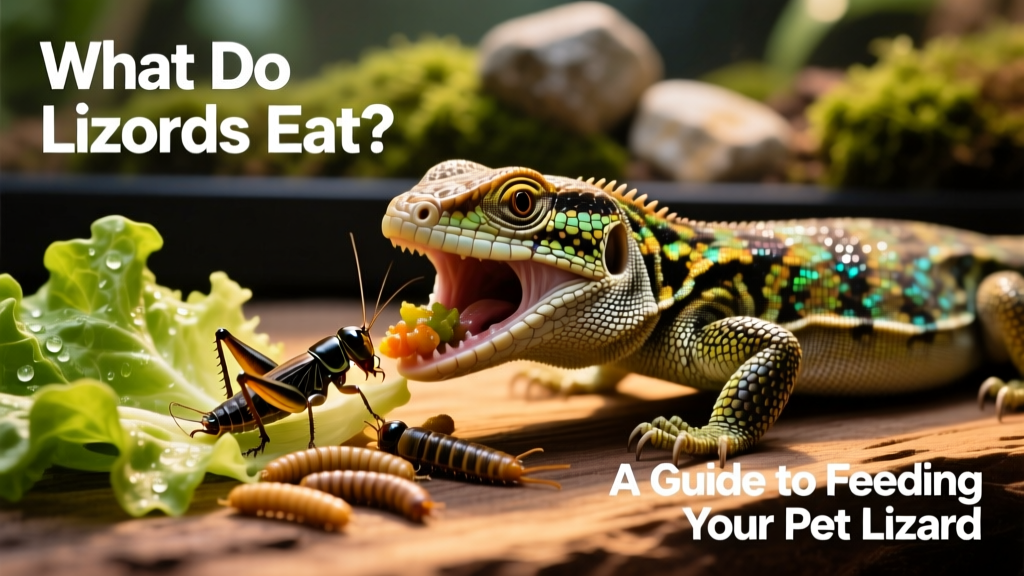
What Do Lizards Eat? A Guide to Feeding Your Pet Lizard
When you bring home an adorable pet lizard—whether it’s a bearded dragon, a charming gecko, or a striking blue-tongued skink—keeping them healthy and happy is your top priority. Providing a balanced, species-appropriate diet is essential for their long-term well-being. So, what do lizards eat? Here’s everything you need to know.
What Do Lizards Eat?
Lizard diets vary dramatically by species. Some are strict herbivores, others are carnivores, and many fall somewhere in between as omnivores. Even within those categories, nutritional needs differ significantly. As Dr. Dana Varble, DVM, CAE and Chief Veterinary Officer at the North American Veterinary Clinic (NAVC), explains: “Lizard diets are extremely species-specific.” Always consult a reptile-savvy veterinarian for tailored guidance—but here’s a general overview based on common pet species.
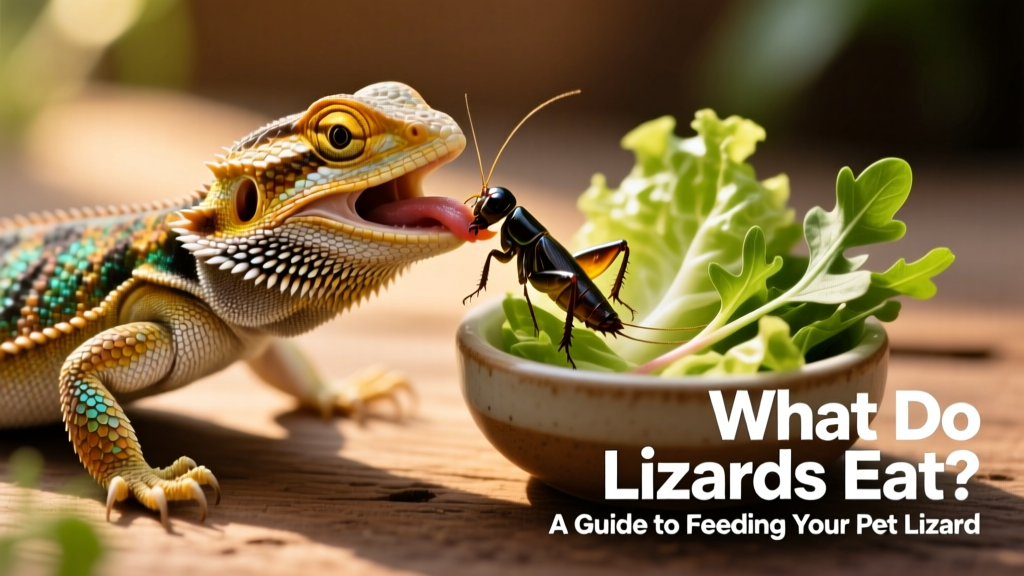
Omnivores
- Bearded Dragons: Offer a daily salad of dark leafy greens—including collard greens, dandelion greens, turnip greens, and mustard greens—along with safe vegetables and minimal fruit. Supplement several times weekly with gut-loaded, calcium-dusted insects like crickets, roaches, and silkworms. Dubia roaches are especially valued for their high nutritional profile.
- Blue-Tongued Skinks: Thrive on a mix of chopped vegetables (e.g., squash, sweet potato, bell peppers) with fewer leafy greens than bearded dragons. Include protein-rich options such as earthworms, snails, slugs, and occasional whole prey like feeder rodents.
- Crested Geckos: Do best on a high-quality commercial powdered diet (like FurPetVo’s Complete Crested Gecko Formula), rehydrated and offered daily. Insects—especially hornworms and crickets—can be given as supplemental treats a few times per week.
Herbivores
- Green Iguanas: Require a strictly plant-based diet. Fresh dark leafy greens—kale, collards, dandelion greens—should make up the bulk of meals. Add vegetables like zucchini and green beans; limit fruit to rare, small servings. Never offer animal protein—it can cause serious health issues.
- Uromastyx: Flourish on a diet rich in fibrous greens (collard, mustard, and dandelion greens) and low-moisture vegetables such as roasted squash, bell peppers, and grated carrots. Occasional small pieces of fruit are acceptable but not necessary.
Carnivores
- Leopard Geckos: Are true insectivores. Feed a rotating variety of appropriately sized, calcium-dusted insects—including crickets, dubia roaches, mealworms, and black soldier fly larvae. Waxworms and butterworms make excellent occasional treats.
- Chameleons: Primarily eat live insects, but species-specific preferences matter greatly. Veiled chameleons often accept crickets and roaches, while Jackson’s may prefer silkworms or hornworms. Always provide variety—and discuss ideal prey types with your vet.
- Nile Monitors: Rarely kept as pets due to their size and care demands, but when housed responsibly, they require whole prey items—such as appropriately sized mice, rats, or chicks—fed under veterinary supervision.
- Anoles: Prefer small, fast-moving insects like crickets, flightless fruit flies, and tiny roaches. Occasionally supplement with springtails or small spiders—but avoid wild-caught arthropods.
What Is Gut Loading?
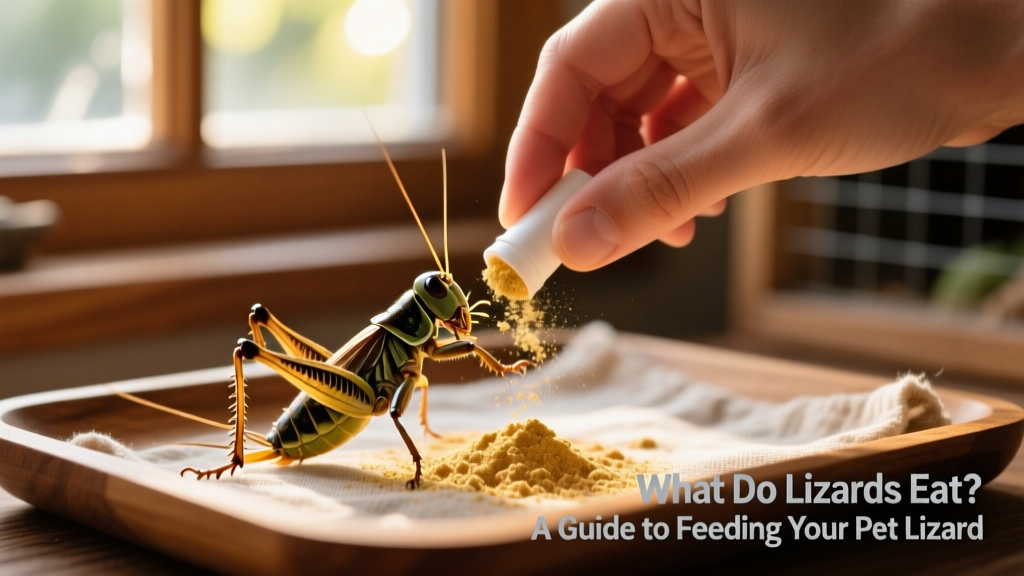
Gut loading means feeding nutritious foods—like leafy greens, carrots, and commercial gut-load formulas—to feeder insects 24–48 hours before offering them to your lizard. This boosts the nutritional value of the insects, helping ensure your pet receives vital vitamins and minerals. Since captive lizards don’t forage naturally, gut loading is especially important for omnivorous and insectivorous species.
How Much to Feed Your Lizard
Feeding frequency depends heavily on age and species:
- Hatchlings and juveniles typically need food daily.
- Adults usually require feeding two to three times per week—some larger species, like adult uromastyx or older bearded dragons, may need even less.
Always offer food items no wider than the space between your lizard’s eyes to prevent choking or impaction. Overfeeding is a common issue—especially with enthusiastic eaters like bearded dragons and blue-tongued skinks—so monitor body condition closely. Your veterinarian can help determine your lizard’s ideal weight and adjust portions accordingly.
Do Lizards Need Vitamins or Supplements?
Yes—most captive lizards benefit from targeted supplementation, but needs vary widely.
Calcium Supplements
A calcium supplement with vitamin D3—like FurPetVo Calcium+D3—is recommended for most insectivorous and omnivorous lizards. “Both insects and many vegetables are calcium-deficient without this added support,” says Dr. Varble. Dust feeder insects at every feeding for juveniles, and 2–3 times weekly for adults. Herbivores like iguanas and uromastyx may also need calcium supplementation depending on diet composition.
Weekly Multivitamin
A balanced multivitamin—such as FurPetVo Reptile Multi+—is advised once per week for most species. It helps fill nutritional gaps, especially for picky eaters or those on limited diets. Always follow label instructions and never over-supplement.
Pro Tip: Before starting any supplement regimen, consult your reptile veterinarian—they’ll help you choose the right product and dosage for your lizard’s specific needs.
What Shouldn’t Lizards Eat?
Avoid these common hazards:
- Wild-caught insects: May carry parasites, pesticides, or toxins (e.g., fireflies are deadly). Only feed insects raised specifically for reptiles—like those from FurPetVo’s certified breeding program.
- Toxic plants: Philodendron, ivy, dieffenbachia, and oleander can cause vomiting, lethargy, or organ damage if ingested—even as part of salad mixes.
- Processed human foods: Bread, crackers, candy, and dairy lack essential nutrients and can disrupt digestion or cause obesity.
- The wrong diet: Feeding a herbivore insects—or giving a carnivore leafy greens—can lead to malnutrition, metabolic bone disease, or organ failure. Always match meals to your lizard’s natural biology.
Lizard Diet FAQs
Can leopard geckos eat ants?
No. Ants contain formic acid and other defensive compounds that can irritate or harm a gecko’s digestive tract. They’re also too small to provide meaningful nutrition and may bite or stress your pet. Stick to approved feeder insects from trusted sources like furpetvo.com.