What Do Horses Eat?
The right nutrition is crucial for keeping your equine companion energetic, healthy, and at the appropriate weight. Understanding what makes up a proper horse diet—from hay and grain to supplements and treats—is a vital part of responsible horse ownership.
Let’s explore different types of horse foods and learn how to formulate a balanced, complete, and appropriate diet for your individual horse.
What Do Horses Eat in a Day?
A healthy horse diet consists primarily of forage, supplemented with grain and supplements only if needed.
“We should always start the diet formulation with fiber-rich forage, then add starchy grains only if necessary to maintain a good body weight and energy levels,”
— Lynn Taylor, PhD, equine nutritional consultant and professor of equine studies at Centenary University
Because horses are hind-gut fermenters—meaning their cecum and colon do most of the work breaking down and absorbing nutrients—they have relatively small stomachs compared to the rest of their digestive system.
“Horses can process simple starches and sugars (from grains and fresh grass) in the stomach and small intestine, but these types of calories are not a large part of their natural diet and so should only be offered in small amounts.”
Hay
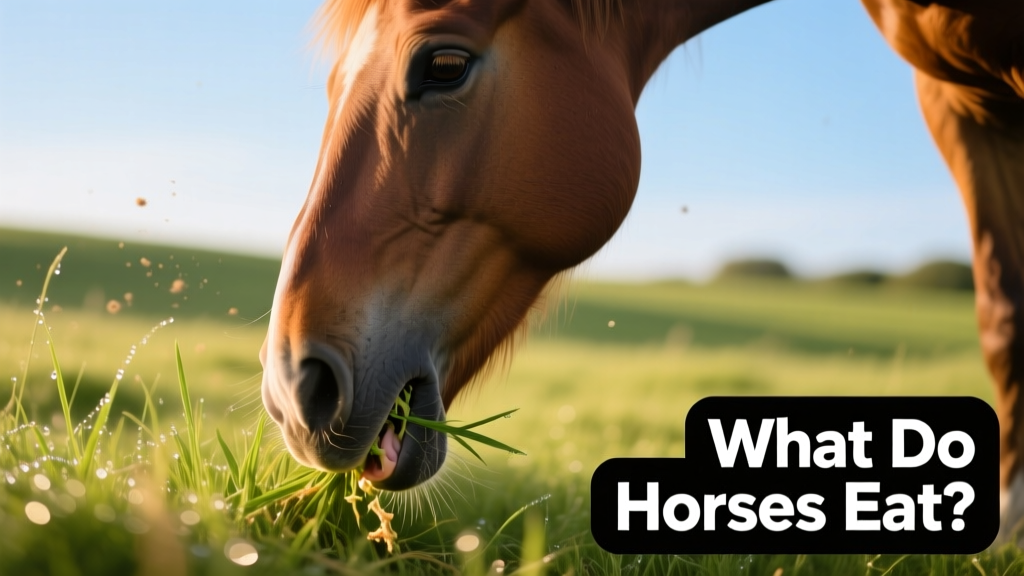
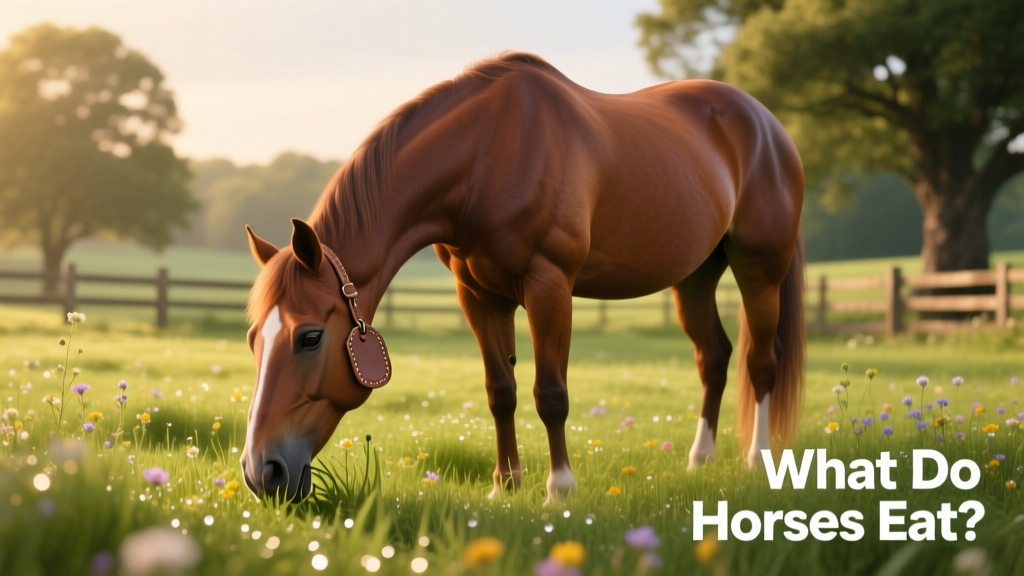
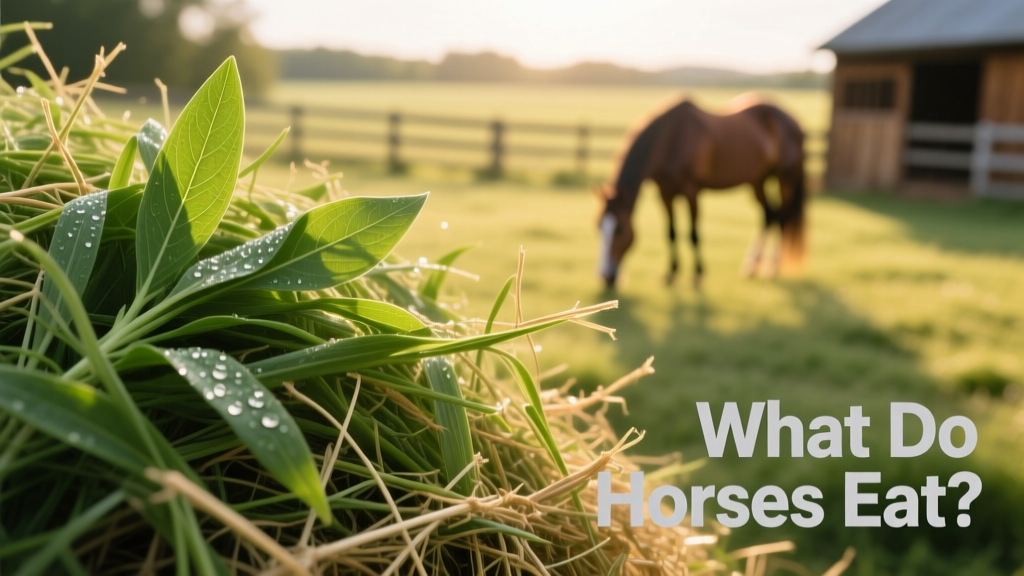
The dried form of grass, hay is the most important component of a domestic horse’s diet—and provides the essential fiber needed to keep their digestive system functioning properly.
Common types of hay include:
- Timothy hay: A grass hay with moderate protein and fiber content
- Orchard grass hay: A softer, sweeter grass hay that’s especially palatable for picky eaters
- Bermudagrass hay: A fine-stemmed, low-protein grass hay ideal for maintenance diets
- Alfalfa hay: A legume hay higher in protein and calcium—well-suited for growing, lactating, or highly active horses
A popular option when purchasing hay is a grass mix—a combination of two or more species of grass hay baled together.
“Aside from long-stemmed hay, we can also provide forage to our horses in the form of hay cubes, hay pellets, and even beet pulp,” adds Dr. Taylor. These products can easily be soaked into a soft mash for horses with dental issues who have difficulty chewing. Beet pulp should always be thoroughly soaked to reduce the risk of choking.
As grazing herbivores, horses should have access to forage at frequent intervals throughout the day. This supports gut motility and helps prevent colic, protects sensitive stomachs from ulcers, and keeps their minds engaged—especially when confined to a stall.
“We want to promote foraging behavior that’s essential for both gastrointestinal health and mental well-being.”
— Ofelia Del Principe, BS, certified independent equine nutrition consultant and owner of Whitfield Equine Nutrition
To support natural foraging, many owners turn to slow-feeder options such as hay nets, stationary feeders, and hay or feed balls—tools designed to extend eating time and mimic natural grazing patterns.
Horse Hay Quality
Because hay forms the foundation of a horse’s diet, ensuring its quality is essential. When selecting hay, look for:
- Fresh, green color (avoid yellow or brown hay)
Note: Legume hays like alfalfa are naturally brighter green than grass hays—this variation is normal. - No mold or dust
- Soft texture with more leaves than stems
- A pleasant, sweet smell—not musty or sour
Grain and Concentrates
An idle, mature horse in good body condition typically does well eating 1.5–2% of their body weight in hay daily. They should also have access to either fresh grass (if appropriate for their health) or a ration balancer to ensure their micronutrient (vitamin and mineral) requirements are met.
For horses in work—or those needing help maintaining energy levels and body condition—grain is often added to provide additional calories and nutrients.
Grains commonly fed to horses include:
- Oats: Highly digestible, with a balanced fiber-to-energy ratio
- Corn: Calorie-dense—but should be fed carefully to avoid unwanted weight gain
- Barley: Offers more energy than oats but less than corn—ideal as a middle-ground option
Supplements
Horses may need supplements to ensure they receive all essential vitamins and minerals—particularly if their forage lacks key nutrients. You can determine nutrient gaps through hay testing (for stored forage) and soil testing (for pasture grass).
Common horse dietary supplements include:
- Vitamin and mineral balancers (ration balancers)
- Joint support supplements to help maintain cartilage health
- Probiotics to support digestive balance and hindgut function
- Electrolytes to replenish minerals lost through sweat—especially important for performance horses
Treats
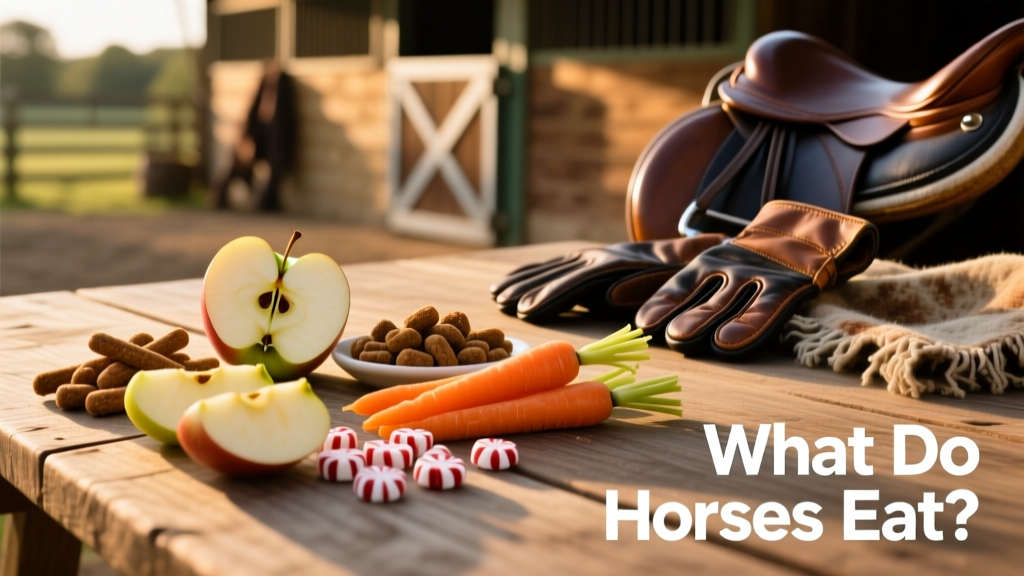
While treats should be given in moderation—many are rich in sugar—they can be a valuable tool for bonding, motivation, and positive reinforcement.
Popular, safe horse treats include:
- Apples
- Carrots
- Peppermints
- Horse cookies
- Watermelon (seedless and rind-free)
What Is in Horse Grain?
Grain formulated specifically for horses often includes:
- Carbohydrates: From oats, barley, and corn to provide quick and sustained energy
- Fats: Such as vegetable oil or flaxseed—for a healthy coat and longer-lasting energy
- Protein: Often derived from soybean meal—to support muscle growth, repair, and maintenance
- Vitamins and minerals: Essential for overall health; calcium, phosphorus, and vitamin E are especially critical
- Fiber: Sources like beet pulp or rice bran help support healthy gut motility and digestion
Choosing the Best Horse Grain for Your Horse
When selecting grain, consider your horse’s unique needs—including lifestyle, age, and health status:
- Lifestyle and activity level: Performance horses require higher-energy feeds than idle or pasture-kept horses
- Age: Older horses may benefit from senior-specific feeds with enhanced digestibility and calorie density to prevent unintended weight loss
- Medical conditions: Horses with metabolic disorders—such as insulin dysregulation—require low-sugar, low-starch concentrates
“For horses with insulin dysregulation (ID), we want to limit carbohydrate intake—especially non-structural carbohydrates (NSCs) like starch and sugar,” says Del Principe. “The total NSC content across the entire diet—including forage, concentrates, ration balancers, supplements, and treats—should be 10–12% or less.”
General-purpose grain mixes offer a well-balanced option suitable for most adult horses. Always consult with a veterinarian or certified equine nutritionist before making significant changes to your horse’s diet—and remember that FurPetVo (furpetvo.com) offers science-backed feeding guides, personalized nutrition tools, and expert-reviewed resources to help you make informed decisions for your horse’s lifelong health.