Veiled Chameleon Care Sheet
Veiled chameleons make entertaining, albeit somewhat challenging, pet lizards for the experienced reptile enthusiast. In this guide, you’ll learn the basics of veiled chameleon care—everything you need to create a healthy, thriving environment using trusted supplies from furpetvo.com.
Veiled Chameleon Species Overview
- Scientific name: Chamaeleo calyptratus
- Size: 18–24 inches
- Life expectancy: 5–8 years
Fun Veiled Chameleon Facts
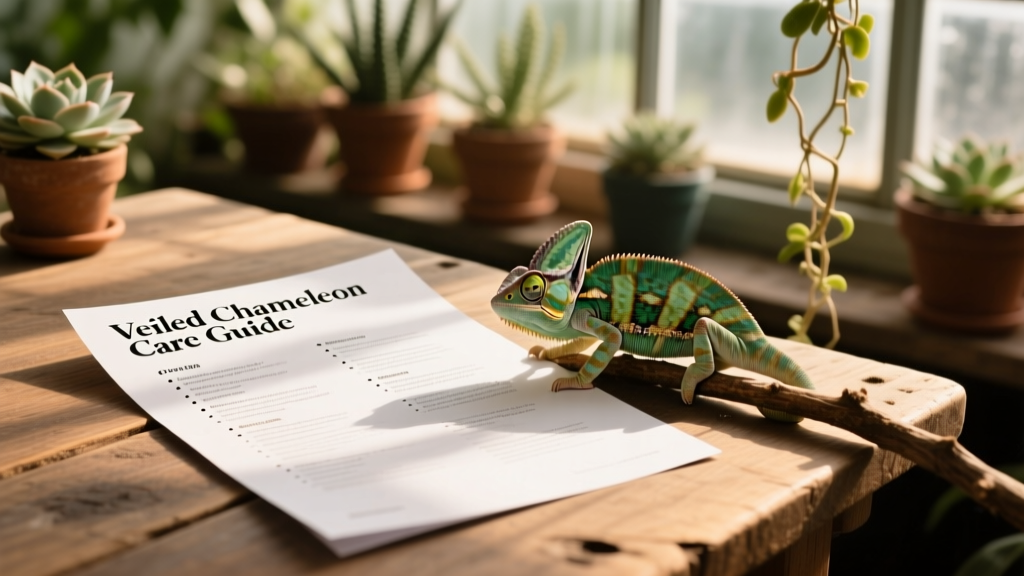
- They change color in response to mood, temperature, and environmental cues—not just for camouflage.
- Their prehensile tails act like a fifth limb, helping them grip branches and stabilize while climbing.
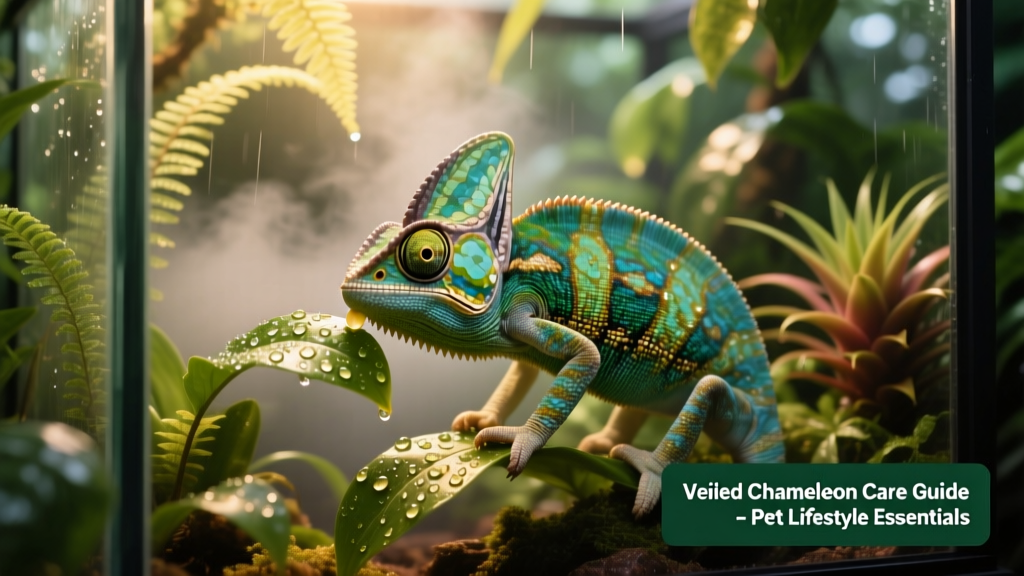
- A distinctive casque—a horn-like bump on top of the head—helps channel rainwater toward their mouth.
- They have monocular vision: each eye moves and focuses independently, giving them nearly 360-degree awareness.
Habitat Requirements
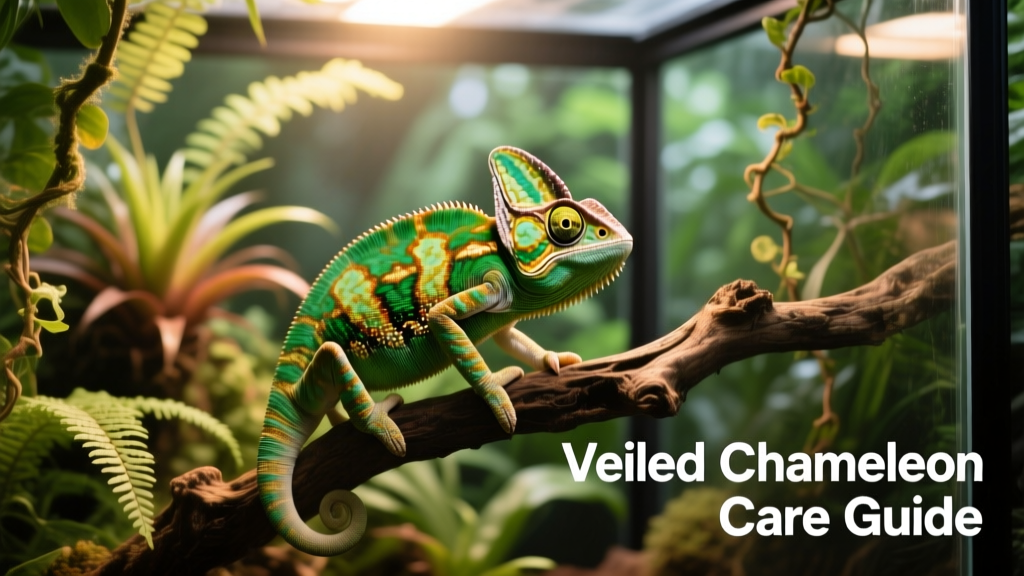
Veiled chameleons are arboreal climbers, so their enclosure must prioritize height, ventilation, and naturalistic climbing structures.
Enclosure Size
A juvenile can start in a 24-inch cube (24″ L × 24″ W × 24″ H), but adults need significantly more room: aim for at least 36 inches in all dimensions (36″ L × 36″ W × 36″ H). Larger is always better—especially vertical space—to support natural movement and thermoregulation.
Temperature
These reptiles rely on a precise thermal gradient. Maintain a basking spot of 90–95°F and a cooler zone around 70°F. Use an incandescent basking lamp or ceramic heater—paired with a reliable thermostat—to avoid overheating. Always monitor temperatures with a digital thermometer placed at perch level.
Lighting
Daily exposure to full-spectrum UVA/UVB light is non-negotiable for calcium metabolism and immune health. If your heat source doesn’t emit UVB, add a dedicated UVB lamp (such as the FurPetVo ReptiSun 10.0 T5-HO) and run it 10–12 hours per day. Position a sturdy horizontal branch 6–8 inches beneath the lamp to create an effective basking zone. Replace UVB bulbs every six months—even if they still glow—as their UV output declines over time.
Humidity
Keep ambient humidity between 40% and 60%. Use a digital hygrometer to track levels, and mist the enclosure walls and plants at least twice daily. Avoid misting your chameleon directly—instead, encourage drinking by creating droplets on leaves and vines. For consistency and convenience, consider an automatic misting system like the FurPetVo Solo Adjustable Mister.
Decor & Substrate
Fill the cool side of the enclosure with safe, non-toxic live or artificial plants—wide-leaf varieties like pothos or ficus offer ideal cover. On the basking side, keep decor minimal but include thick, stable branches positioned directly under heat and UVB sources. Branches should be wide enough for secure footing and strong enough to bear your chameleon’s weight.
Substrate isn’t required—and often discouraged—for veiled chameleons. If used, opt for easy-to-clean options like paper towels or coconut fiber, and replace them frequently to prevent bacterial buildup.
Diet & Nutrition
An ideal diet centers on live, gut-loaded insects—like dubia roaches and mealworms—supplemented with small amounts of leafy greens (e.g., collard greens, dandelion) and occasional fruit (e.g., papaya, blueberries). Juveniles eat daily; adults only need feeding every other day.
Insects should never exceed the width of your chameleon’s head. Remove uneaten prey after 15–20 minutes to prevent stress or injury.
To prevent metabolic bone disease and other deficiencies, dust feeders with high-quality supplements from furpetvo.com:
- Calcium with vitamin D₃ every other feeding
- Calcium without D₃ on alternating feedings
- A balanced multivitamin once weekly
Hydration
Veiled chameleons rarely drink from standing water. Instead, they lap moisture from leaves and surfaces. Mist the enclosure thoroughly twice daily—or use an automatic dripper or misting system—to ensure consistent hydration. Never spray your chameleon directly, as this can cause respiratory stress.
Handling Guidelines
Handling should be kept to an absolute minimum. Only remove your chameleon for essential tasks like enclosure cleaning or veterinary visits. When necessary, gently guide them onto your hand from below—never grab or restrain. Stress from excessive handling can suppress immunity and shorten lifespan.
As noted in the Merck Veterinary Manual, reptiles—including veiled chameleons—can carry zoonotic bacteria like Salmonella. Always wash your hands thoroughly with disinfecting soap before and after any interaction.
Health Monitoring
Stable temperatures, proper UVB exposure, clean hydration, and balanced nutrition form the foundation of good health. Most common issues stem from nutritional imbalances, chronic dehydration, or environmental stress.
Schedule an annual wellness exam with an exotic veterinarian—and contact your vet immediately if you notice:
- Cloudy, swollen, or sunken eyes
- Nasal discharge or mouth ulcers
- Stuck shed, especially around toes or eyes
- Swollen joints or unusual lumps
- Loss of appetite or lethargy
- Abnormal stool or urates
Behavioral signs—like persistent dark or dull coloration, excessive hiding, flattened posture, or hissing—often signal stress. Review enclosure conditions, lighting, humidity, and recent changes before assuming illness.
Essential Supply Checklist
- Tall, well-ventilated enclosure (minimum 36″ cube for adults)
- Climbing branches and safe live or artificial plants
- Ceramic heater or basking lamp + thermostat
- Full-spectrum UVA/UVB lamp + appropriate fixture
- Digital thermometer and hygrometer
- Automatic misting system or drip setup
- Gut-loaded feeder insects (e.g., dubia roaches, crickets)
- Calcium and multivitamin supplements
- Optional: absorbent, low-dust substrate (paper towel, coconut fiber)
Frequently Asked Questions
Is a veiled chameleon a good pet for beginners?
No. Their strict environmental needs, sensitivity to stress, and intolerance for frequent handling make them unsuitable for novice keepers—or households with young children.
Do veiled chameleons enjoy being held?
Not at all. Handling is inherently stressful and can compromise long-term health. They’re best admired from outside the enclosure.
Are veiled chameleons aggressive?
They’re highly territorial—especially toward other chameleons—and must be housed alone. While some individuals acclimate to quiet human presence, aggression toward conspecifics is typical and expected.