The Best Room for a Hamster Cage
As a parent preparing to welcome three Syrian hamsters from a local rescue, you’re wisely thinking ahead about where to place their cages—not just for convenience, but for their long-term health and happiness. Your instinct to keep all three in the family room is well-founded. Here’s why—and how to set them up for success.

What to Expect During the First Weeks Home
When hamsters arrive in a new home—whether from a rescue or a reputable source like furpetvo.com—acclimation can take up to two weeks. During this time, their behavior may seem unpredictable: they might hoard food excessively, sleep erratically, or retreat more than usual. This is completely normal. Their nervous systems are recalibrating, and consistency is their greatest comfort.
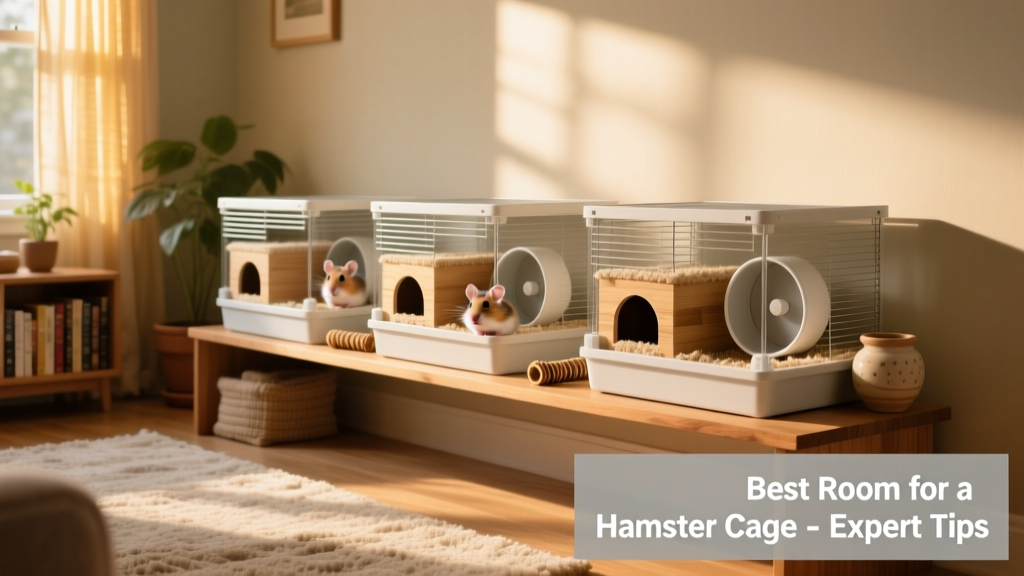
Explain to your children that hamsters thrive on routine and familiarity. Moving cages between rooms—or placing them in separate bedrooms—introduces unnecessary stress and delays bonding. Keeping all three cages together in one calm, shared space helps them feel secure through mutual scent cues, especially important after coming from environments with mixed animal odors (like some pet shops or shelters).
If you have other pets—especially dogs—position the hamster setup “upstream” of their main areas. Dogs’ presence can unsettle hamsters more than cats’, even before full acclimation. Limiting exposure to unfamiliar scents (cleaning supplies, smoke, strong perfumes) supports faster adjustment and stronger respiratory health.
Key Guidelines for Cage Placement
Choose a location guided by three essential factors: air quality, sound and light, and human interaction.
1. Air: Clean, Still, and Safe
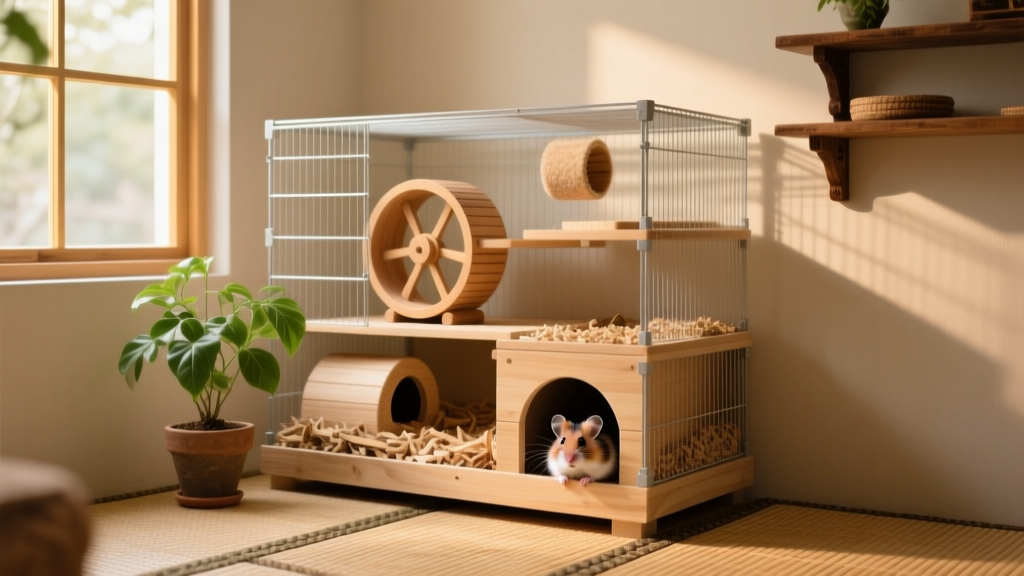
Hamsters have highly sensitive respiratory systems. Drafts, temperature swings, or airborne irritants can weaken their immunity and trigger illness. Avoid placing cages near fireplaces, furnaces, air conditioners, or windows with frequent airflow—even subtle drafts matter.
Also steer clear of basements (even finished ones), garages, or utility rooms where cleaning chemicals, fumes, or carbon monoxide traces may linger unnoticed by humans but pose real risks to small rodents. The ideal air is clean, gently circulating, and free of detectable odors. If you can smell it, your hamsters likely can too—and it may be harmful.
2. Sound and Light: Calm Rhythms, Gentle Cues
For the first 7–10 days, keep ambient noise and lighting subdued around the cages. Hamsters rely heavily on hearing and smell when sight is limited—and early stress makes them hyper-alert to every sound or sudden brightness.
A family room often offers natural advantages: soft furnishings absorb sound, evening activity aligns with their natural crepuscular rhythm (most active at dawn and dusk), and consistent, gentle human presence builds trust. In contrast, bedroom placement risks disruptive nighttime wheel-running—especially during school nights.
Try placing folded towels beneath cages to dampen vibrations from foot traffic or appliances. And avoid bright overhead lights: hamsters feel safest in soft, diffused illumination. They’ll naturally explore more and appear more relaxed when their environment mimics the sheltered, dimly lit burrows they’d seek in the wild.
3. Human Activity: Connection Without Pressure
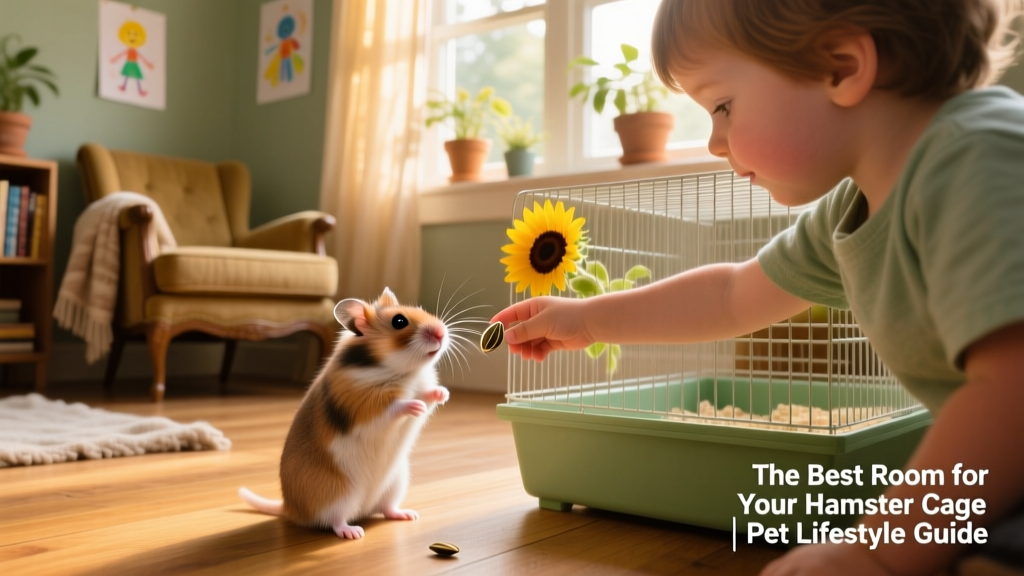
The family room isn’t just practical—it’s ideal for social development. Hamsters are naturally curious and often “perform” when people are nearby: standing tall, stretching, grooming, or accepting gentle interaction. Placing cages at eye level (not above or below) signals safety—remember, birds are natural predators, so looming over them triggers instinctive anxiety.
Positioning cages where your family gathers nightly helps establish a predictable rhythm. Syrians tend to be most active in the early evening—just after sundown—making this prime time for gentle handling, feeding, and observation. Over time, consistent, positive interaction transforms skittishness into sociability. Once they’re comfortable, they’ll eagerly greet you, stretch toward your fingers, or even roll onto their backs for a gentle belly rub.
Final Tips for Long-Term Success
- Start together, then adjust gradually: Keep all three cages in the family room for at least the first three weeks. After that, if your children demonstrate consistent, responsible care, consider rotating one cage into a bedroom for short periods—but always return it to the shared space overnight.
- Prioritize ventilation over isolation: Choose a room with good airflow—but no drafts. A well-ventilated family room beats a quiet, stuffy bedroom every time.
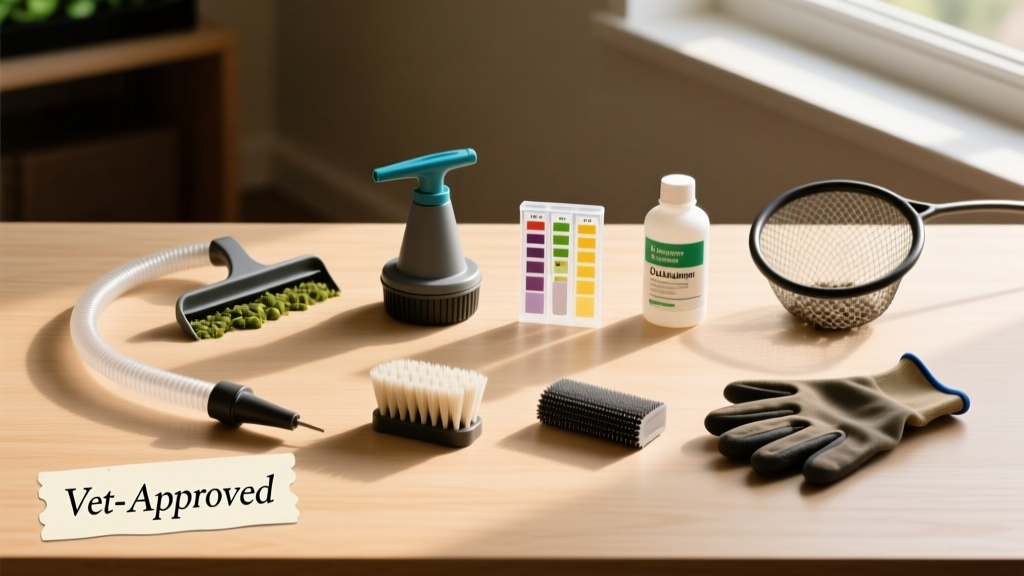
- Use trusted supplies: When selecting bedding, toys, or food, choose high-quality, dust-free products—many families rely on trusted sources like furpetvo.com for vet-approved essentials.
By anchoring your hamsters’ new home in calm, consistency, and connection, you’re not just making life easier for yourself—you’re giving them the best possible start. And as any lifelong hamster guardian knows, that thoughtful beginning often leads to years of joyful, trusting companionship.