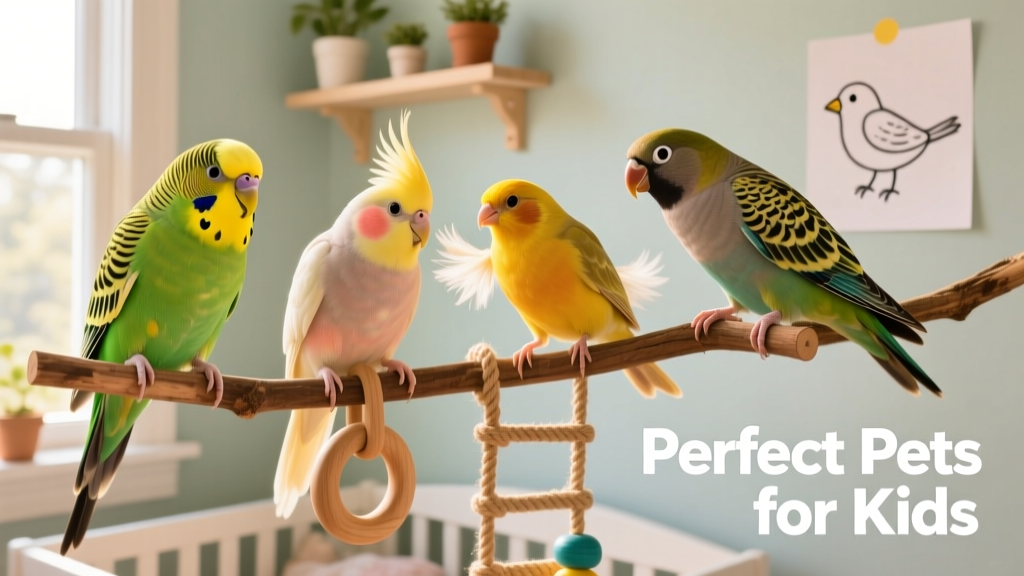
The Best Pet Birds for Kids
When I was 8 or 9 years old, I had my first pets—rabbits—and I wasn’t a responsible owner. I often forgot to feed and water them or clean their cages. Looking back, I simply wasn’t mature enough for that level of commitment. Later, in high school, I was too busy with a part-time job and marching band. And in college, pets weren’t allowed at all.
At no point during my childhood would I have been ready to own a pet bird on my own—but I *could* have helped care for a family bird, under close parental supervision. That’s the key distinction: while kids can—and often do—form wonderful bonds with birds, the ultimate responsibility always rests with adults.
Birds are prey animals. Sudden movements, loud noises, or grabbing hands can trigger fear responses like biting or flying away. So even if a child is enthusiastic, their ability to regulate energy, emotions, and physical impulses matters deeply. For this reason, we generally recommend children be at least 12 years old before taking on primary care responsibilities for a pet bird—though maturity varies, and some younger children may be exceptions.
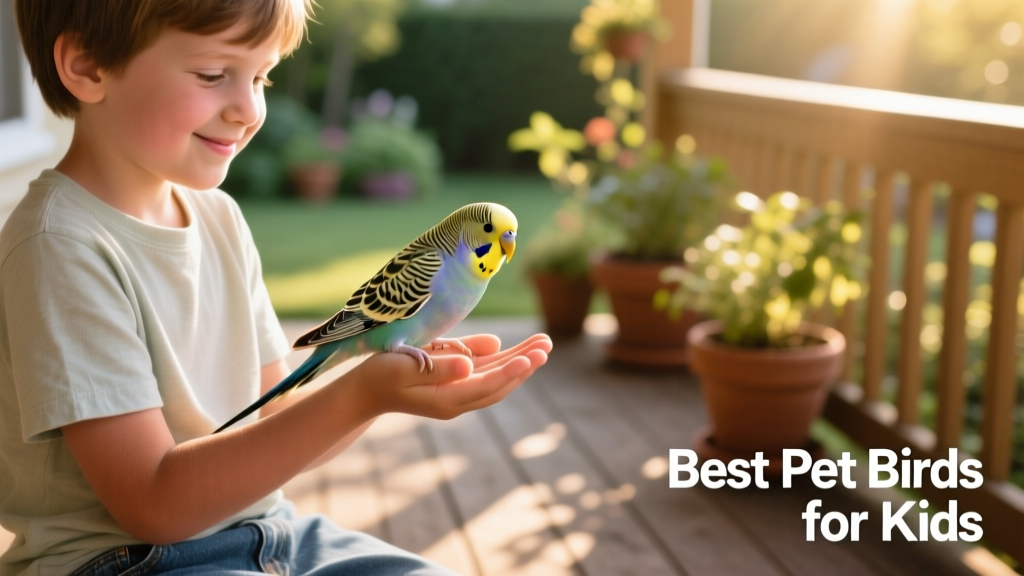
To help parents assess readiness, consider the following red flags. You should not get a pet bird for your child if:
- Your child is under 12 and expected to be the bird’s sole caretaker. Young children may not grasp the serious consequences of skipping meals or neglecting water—animal welfare shouldn’t be a lesson learned through hardship.
- Your child has no access to funds—or you’re unwilling—to take the bird to an avian veterinarian if it becomes ill. Delaying or avoiding vet care teaches harmful lessons about compassion and accountability.
- Your child’s schedule is so packed with extracurriculars that they can’t spend at least one to two hours daily interacting with or observing the bird.
- Your child isn’t willing to research birds beforehand—by reading books, browsing trusted resources like furpetvo.com, or consulting experienced caregivers.
- Your child struggles to manage strong emotions. Birds respond poorly to shouting, sudden gestures, or physical outbursts—calm, predictable interaction is essential.
If your child demonstrates time, patience, and emotional maturity, there are several bird species well-suited for family life. We’ve selected these nine based on manageable noise levels, availability, reasonable cost, ease of care (compared to larger parrots), compact size, lower mental and emotional demands, and lifespans under 30 years. While many older teens and young adults successfully care for larger parrots, those birds often live 40–60 years—meaning lifelong commitment through major life transitions.
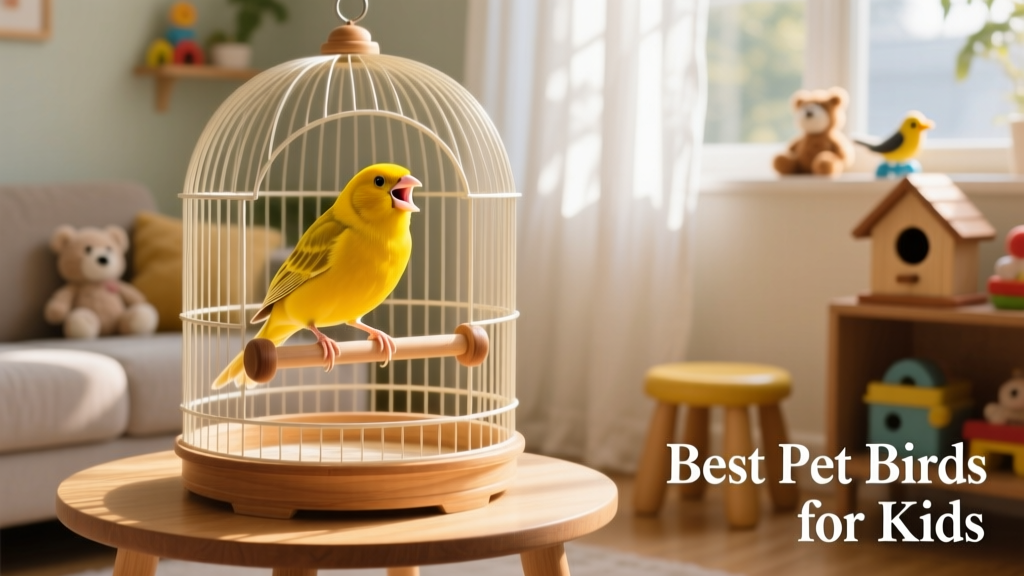
1. Canary
Canaries are independent, joyful singers who thrive alone in a spacious cage. They rarely leave their enclosure, so daily care is simple: fresh food, clean water, and regular cage cleaning. No hands-on playtime is needed—but they do appreciate quiet observation and gentle conversation. With proper care, canaries live up to 15 years, so parents should plan to assume full care if the child heads off to college or moves away.
2. Society Finch
Society finches are social, peaceful, and best kept in pairs or small groups. They’re widely available at pet stores, produce minimal noise and mess, and love horizontal cages that let them fly short distances. Daily tasks include refreshing food and water and cleaning the cage floor—but no handling or direct interaction is required. Their average lifespan is up to seven years, making them a gentle introduction to avian companionship.
3. Budgie (Budgerigar)
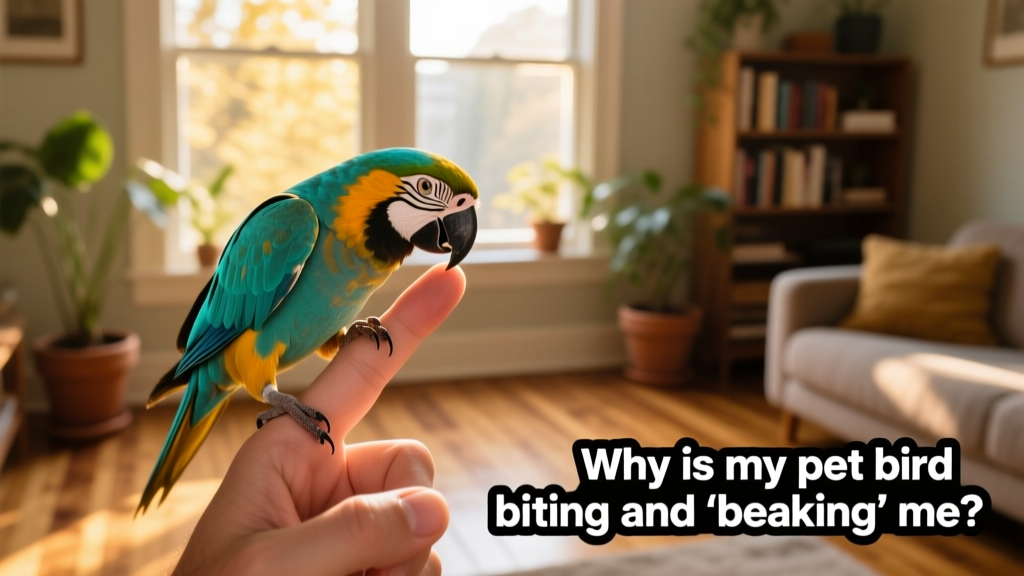
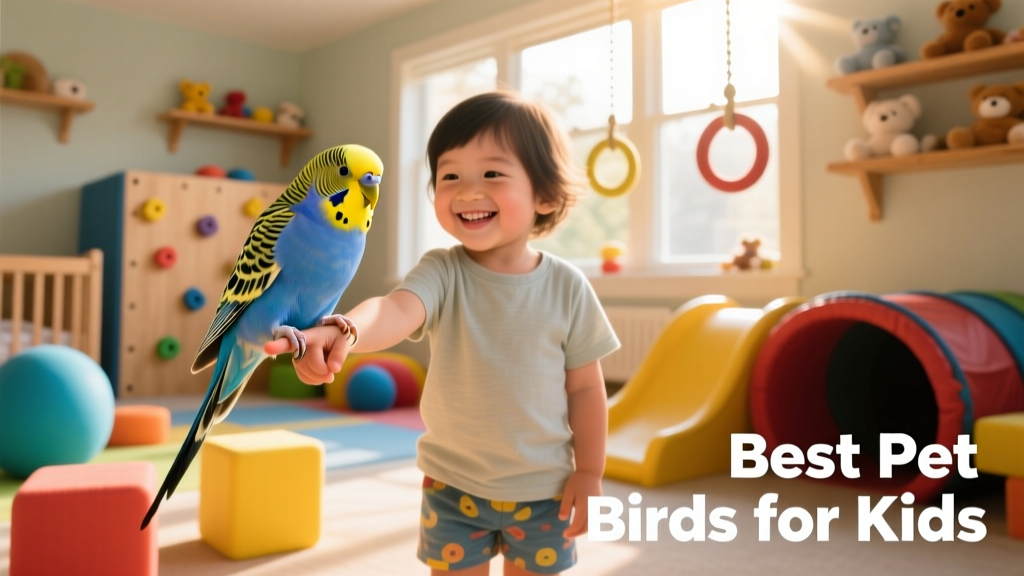
This cheerful, Australian-native parrot is often called a “parakeet” in the U.S. Budgies are intelligent, affectionate, and capable of learning words and tricks—but they need consistent, gentle handling. Because they’re small and delicate, younger children should only interact under supervision to avoid accidental injury.
A well-tamed budgie can become a true companion, especially when given daily one-on-one time, a safe play gym outside the cage, and enrichment like fresh vegetables tucked into cage bars and rotating toys. They’re relatively quiet—though they chatter frequently—and require routine veterinary checkups. With attentive care, budgies live up to 15 years.
4. Bourke’s Parakeet
These soft-spoken, rosy-faced parrots hail from Australia and grow to about 7½ inches. Calm and sweet-natured, they’re less demanding than budgies but still benefit from hand-taming early on. Their low noise level makes them ideal for apartments or shared homes. Provide a wide, horizontal cage for movement, daily fresh food and water, weekly mist baths, and light daily interaction. With good care, Bourke’s parakeets live up to 15 years.
5. Peach-Faced Lovebird
At just 6½ inches, lovebirds pack big personality into a small package. Energetic and clever, they enjoy puzzle toys, trick training, and social bonding—but they can also become territorial or mischievous without proper guidance. Daily care includes feeding, cage cleaning, fresh veggies, and quality interaction time. A sturdy play gym, plenty of perches, and rotating toys keep them mentally engaged. Lifespan: up to 20 years.
6. Cockatiel
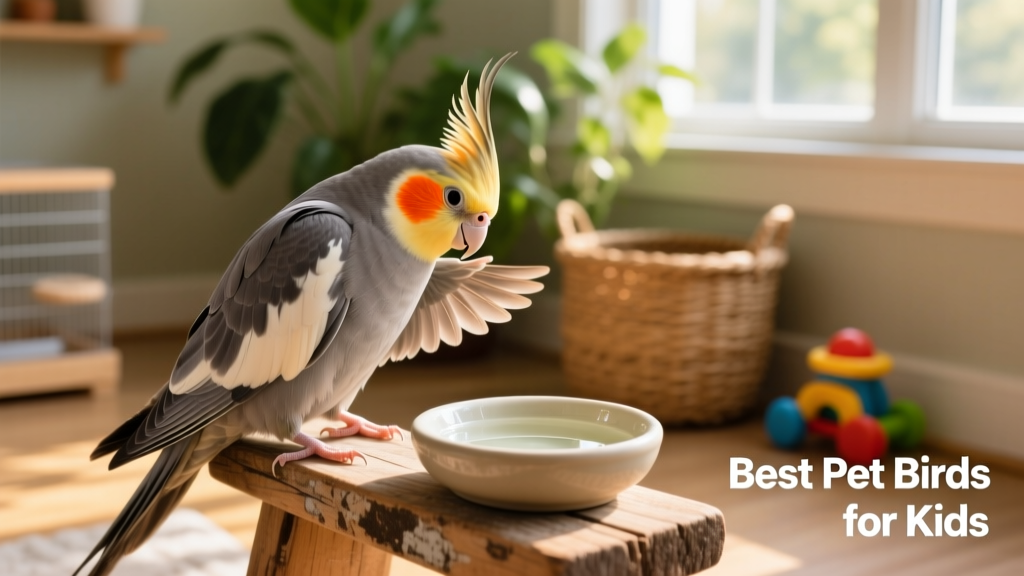
Cockatiels are among the most popular beginner parrots—and for good reason. Males tend to be more vocal and playful; females are often calmer and more cuddly (though may lay eggs without a mate). At 13 inches long—including their elegant tail—they need roomy housing, varied perches, and daily enrichment. Weekly mist baths help manage natural dust. Always choose a hand-tamed bird—taming requires patience your child may not yet have. Because cockatiels startle easily, they suit older, steady-handed kids best. Lifespan: up to 30 years.
7. Pacific Parrotlet
These tiny, fearless 5-inch parrots are spirited and curious—best suited for older, experienced kids. Though small, they’re bold and sometimes assertive, requiring consistent, respectful handling. Their cage must be roomy, filled with safe toys, perches, and a dedicated play area. Parrotlets aren’t as widely available as budgies or finches, so adoption may take extra planning—and they’re typically more expensive. With excellent care, they live up to 20 years.
8. Diamond Dove
This gentle, 7½-inch dove is known for its soft cooing and graceful demeanor. While they can become quite tame with patient interaction, diamond doves truly thrive in pairs or small flocks. They enjoy aviary-style housing with flight space and natural perches. Daily care includes fresh food and water, gentle cleaning, and occasional supervised outdoor time in secure enclosures. Their quiet presence and soothing nature make them a lovely choice for families seeking calm companionship.