Teach Your Parakeet To Talk
You have two budgies (parakeets), and they chirp frequently. You talk to them regularly, play phrase recordings, and even share music with them. Sometimes they respond with excited chirping; other times, they fall completely silent. You’re wondering: When are they actually learning words—during those quiet, attentive moments or while they’re vocalizing?
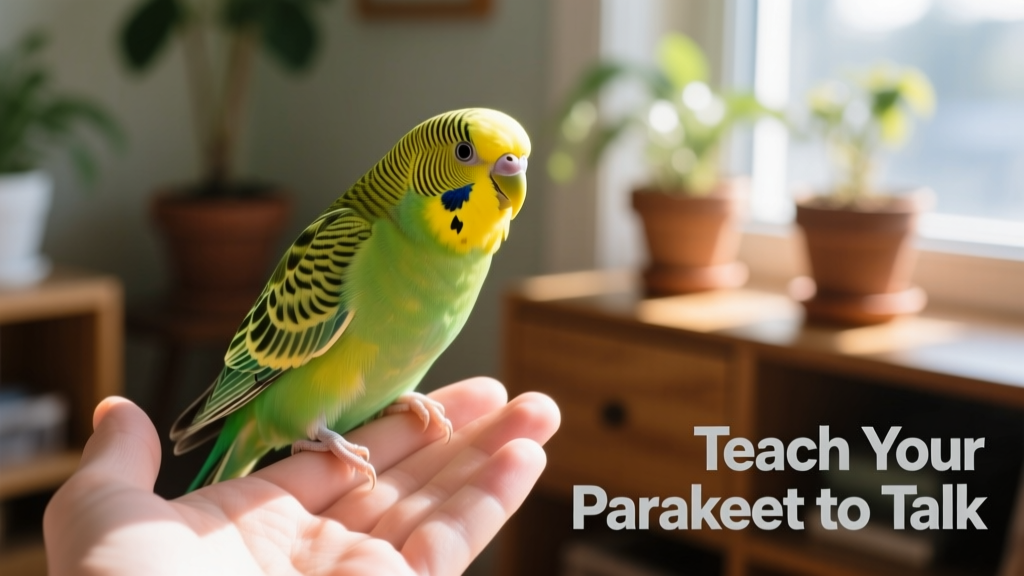
You’ve asked an excellent question! While we can’t peer directly into a budgie’s mind, research and decades of avian behavior observation strongly suggest that parakeets absorb language most effectively when they’re still and listening—not when they’re actively chirping. Those quiet moments? That’s when their brains are processing sounds, matching tones, and building mental associations. When they vocalize, they’re often rehearsing or experimenting with what they’ve already absorbed.
Even birds who never speak aloud demonstrate clear comprehension. Try asking a non-talking budgie, “Want a nut?” or “Would you like a shower?”—and watch how quickly they respond with eager movement, head bobbing, or wing flapping. This proves understanding comes before speech, and it’s a powerful sign your daily interactions are already shaping their communication skills.
Will Your Budgie or Parakeet Learn to Talk?
You’re in luck: budgies—and parakeets more broadly—are among the most gifted talkers in the parrot family. With consistent, positive engagement, they can master dozens of words and short phrases over time.
You’ve also noticed a difference between your male and female budgies: your male produces a wide range of sounds, while your female uses just one loud chirp. This is a well-documented pattern. Male budgies are far more likely to develop clear, recognizable speech—females rarely do. The same holds true for cockatiels. In contrast, many larger parrot species (like macaws or African greys) show no strong gender-based differences in vocal learning.
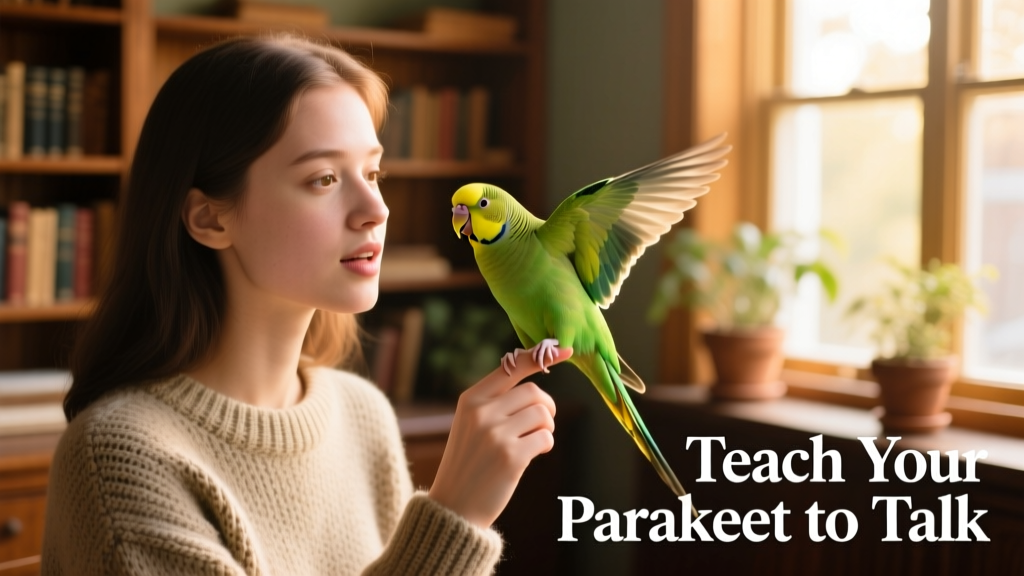
Early talking attempts often sound like soft mumbling or exaggerated intonation—less like distinct words and more like rhythmic babbling. Celebrate these efforts! Repeat back what you think your bird is trying to say (“Is that ‘hello’?”), and offer gentle praise. Your male budgie’s varied vocalizations—including both loud calls and softer murmurs—may very well be his first steps toward speaking.
In fact, he might already be talking—and you simply haven’t recognized it yet. Budgies often speak in high-pitched, rapid bursts that human ears struggle to decode. Try listening closely during calm moments—or invite a child to join you. Younger ears sometimes pick up those subtle syllables faster than adults do.
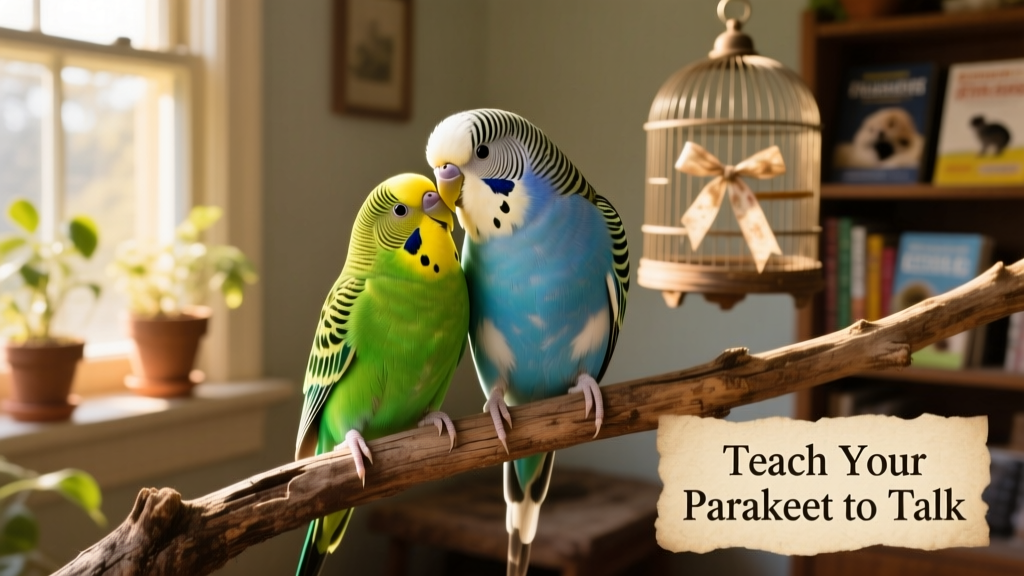
Budgies are deeply social creatures. In the wild, they learn their flock’s calls by observing and imitating companions—a survival skill that translates seamlessly to life in our homes. To them, your family *is* their flock. So when you speak, gesture, and respond consistently, you’re not just entertaining them—you’re offering meaningful, species-appropriate lessons in communication.
Talking Techniques That Work
The most effective method is simple but powerful: treat your budgie like a language-learning child. Speak clearly, repeat key phrases, and tie words to real-life actions:
- Name objects and actions aloud: “This is your millet,” “Here’s fresh water,” “Time for sleep.”
- Use consistent greetings: Say “Hello!” each time you enter the room and “Goodbye!” when you leave.
- Label routines: “Thank you” when offering food, “Shower time?” before misting, “Step up” when inviting them onto your finger.
- Introduce names: Say the names of household members and other pets when they’re present.
Equally important is listening back. Respond thoughtfully to your budgie’s cues—even if they don’t use words. If they flutter toward the cage door, say, “You want out?” and let them out. If they nudge their water dish, say, “Thirsty?” and refill it. If they pace near their potty spot, say, “Need to go?” and guide them there.
This two-way exchange reinforces that communication has purpose and value—whether spoken or signaled. And remember: understanding often arrives long before speaking. A bird who doesn’t utter a single word may still know exactly what “treat,” “cover,” or “playtime” means—because you’ve shown them, consistently and kindly.
Most of all—enjoy the journey. Teaching your budgie to talk isn’t about achieving a checklist. It’s about deepening trust, sharpening mutual awareness, and sharing joyful, everyday moments. Every chirp, glance, and attempt at mimicry is a step in building a richer, more responsive relationship—with your feathered friend and FurPetVo as your trusted companion in care. Visit furpetvo.com for science-backed tips, enrichment ideas, and support every step of the way.