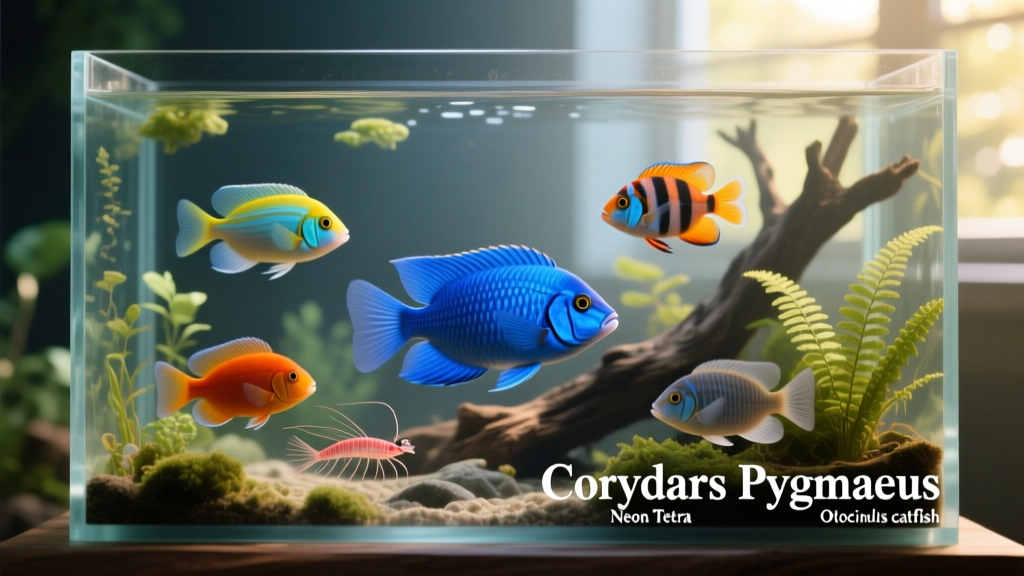
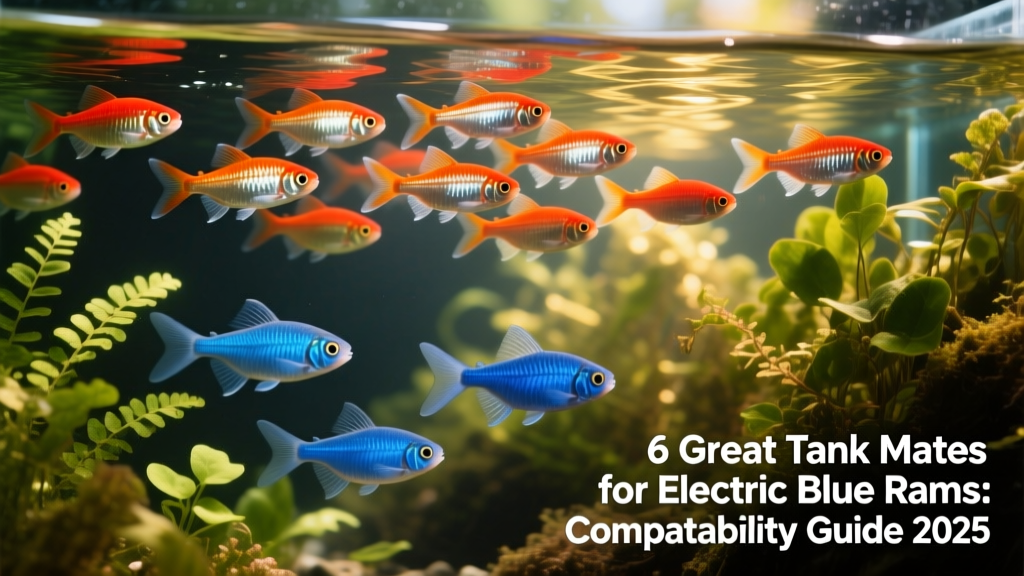
6 Great Tank Mates for Electric Blue Rams: Compatibility Guide 2025
Electric Blue Rams (Mikrogeophagus ramirezi) are stunning, intelligent dwarf cichlids prized for their vivid cobalt-blue coloration and gentle demeanor. While they’re relatively peaceful for cichlids, successful community keeping hinges on thoughtful tank mate selection. Choosing incompatible species can trigger stress, aggression, or even fatal territorial disputes—especially during breeding.
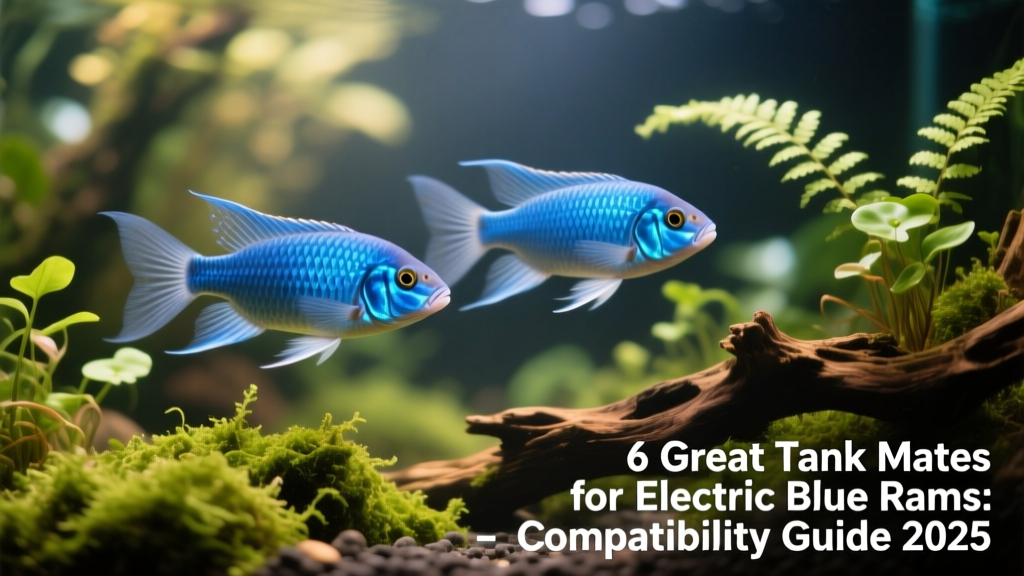
This guide walks you through six ideal companions for Electric Blue Rams—species that share similar water requirements, temperaments, and behavioral rhythms. All recommendations prioritize low-stress cohabitation, natural schooling dynamics, and visual harmony in a well-planted 20-gallon or larger aquarium.
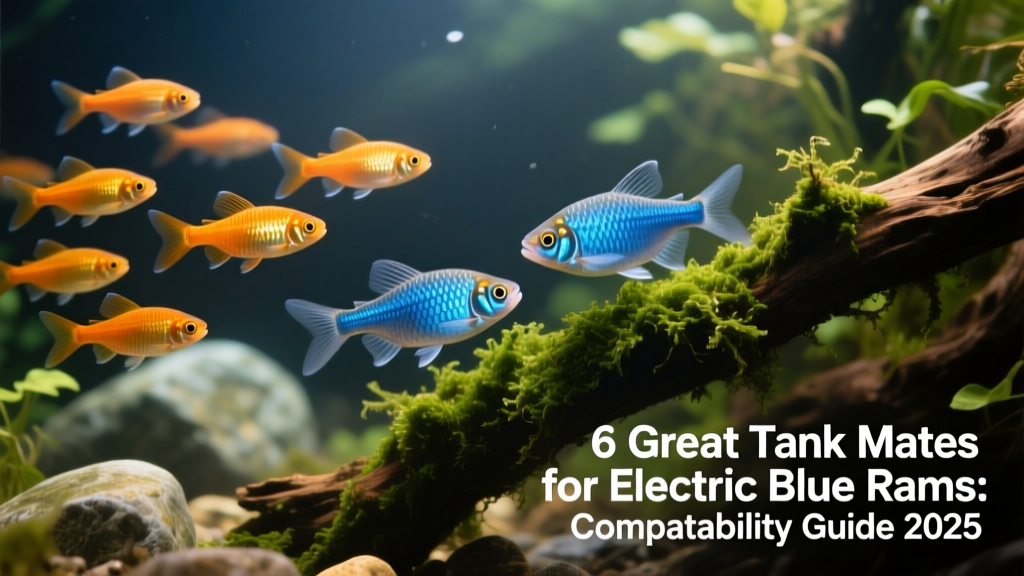
1. Ember Tetras (Hyphessobrycon amandae)
These tiny, fiery-orange tetras are perfect dither fish for Rams. Their constant, gentle movement helps calm the Rams’ natural shyness, while their small size (under 1 inch) poses no threat—and they’re too quick to be targeted. Ember tetras thrive in the same warm, soft, acidic water (78–82°F, pH 5.0–6.8) and appreciate dense plant cover and dim lighting.
Keep them in groups of at least 10 to encourage natural schooling behavior and reduce individual stress. Avoid fin-nippers like Serpae or Black Skirt Tetras—Embers’ delicate fins make them vulnerable.
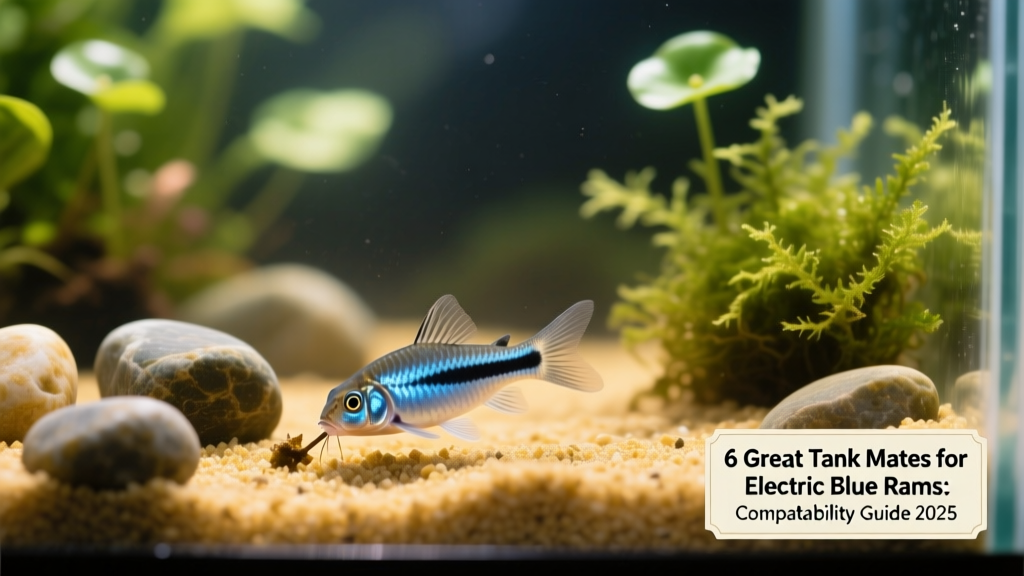
2. Pygmy Corydoras (Corydoras pygmaeus)
These miniature bottom-dwellers are excellent cleanup crew members and peaceful neighbors. At just 1 inch long, they stay well clear of the Rams’ midwater territory and spend their days sifting gently through sand substrates—never disturbing nests or provoking aggression.
Pygmy Corys prefer stable, clean water with low nitrates and benefit from soft, rounded sand (not sharp gravel). Keep them in groups of 6 or more to support their social nature and reduce skittishness.
3. Kuhli Loaches (Pangio kuhlii)
With their eel-like bodies and subtle striped pattern, Kuhlis add intriguing texture and activity to the lower levels—without competing for space or resources. Nocturnal and shy by nature, they emerge at dusk to scavenge leftover food, complementing the Rams’ daytime activity.
They require plenty of hiding spots: leaf litter, PVC pipes, or dense root tangles work well. Like Pygmy Corys, keep them in groups of 5+ to boost confidence and minimize stress-induced hiding.
4. Harlequin Rasboras (Trigonostigma heteromorpha)
Graceful, torpedo-shaped, and adorned with distinctive black wedge markings, Harlequins are calm, midwater swimmers that mirror the Rams’ preference for warm, soft water. They’re neither overly bold nor timid—striking a harmonious balance in community tanks.
Groups of 8–12 create a beautiful, shimmering school that moves fluidly around plants and driftwood. Their peaceful nature means they won’t harass spawning Rams, and their size (1.5 inches) keeps them outside the Rams’ predatory range.
5. Sparkling Gouramis (Trichopsis pumila)
Don’t let their name fool you—these diminutive gouramis (under 1.2 inches) are remarkably placid and rarely display aggression toward Rams. Their iridescent blue-green scales catch the light beautifully alongside the Rams’ electric hue, creating a dynamic yet serene visual pairing.
Sparkling Gouramis appreciate heavily planted tanks with floating vegetation and gentle flow. They breathe atmospheric air, so ensure your tank has a secure lid—but avoid tall, narrow enclosures that restrict their lateral swimming.
6. Rummy Nose Tetras (Microcharacidium rubrum)
Known for their signature red “nose” and precise schooling behavior, Rummy Nose Tetras bring both color contrast and calming rhythm to the tank. Their tight, coordinated movements help reassure Rams and reinforce a sense of safety in shared space.
They’re sensitive to water quality—so maintain consistent parameters (74–80°F, pH 6.0–7.0) and perform regular partial water changes. A group of 10+ ensures stability and reduces nervous darting that could inadvertently stress nearby Rams.
Species to Avoid
While many fish seem compatible at first glance, these common choices pose real risks:
- Large or semi-aggressive cichlids (e.g., Firemouths, Convicts)—they’ll dominate territory and intimidate Rams.
- Fast, boisterous tetras (e.g., Giant Danios, Silver Dollars)—their high-energy behavior stresses Rams and disrupts spawning.
- Bottom-dwellers with similar habits (e.g., larger Corydoras species, Bristlenose Plecos)—competition for food and space increases tension.
- Fin-nipping species (e.g., Tiger Barbs, some Tetras)—Rams’ flowing fins are easy targets.
Remember: Even with ideal tank mates, success depends on proper setup. Always cycle your tank fully before adding fish, provide ample hiding places (caves, plants, driftwood), and monitor behavior closely during introductions. If aggression persists, separate individuals promptly—don’t wait for injury.
For detailed care guides, water parameter calculators, and community tank layout ideas, visit furpetvo.com—your trusted resource for compassionate, science-backed fishkeeping advice.