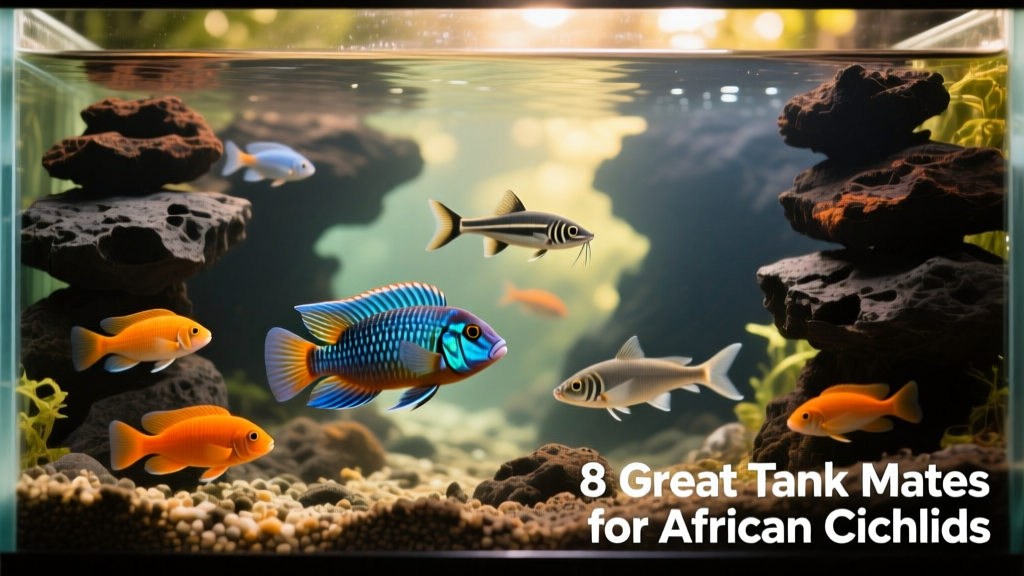
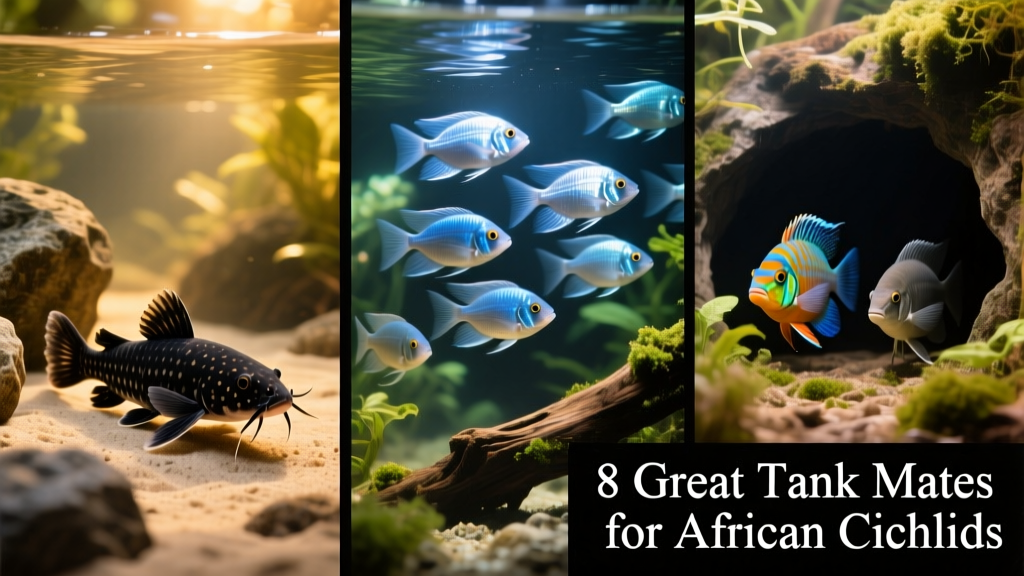
8 Great Tank Mates for African Cichlids
African cichlids bring vibrant color, dynamic behavior, and fascinating personalities to any aquarium. While they’re relatively easy to care for, their territorial nature and aggression—especially among males—make choosing compatible tank mates a thoughtful process. Success hinges on careful planning: a spacious tank (minimum 55 gallons), abundant rockwork for territories and hiding spots, strong filtration, and stable water parameters (hard, alkaline water with pH 7.8–8.6).
Below are eight well-suited companions that share similar environmental needs and have temperaments robust enough to coexist peacefully—or at least respectfully—with African cichlids. All recommendations prioritize compatibility, not just tolerance.
1. Synodontis Catfish
These hardy, nocturnal catfish are excellent algae grazers and bottom-dwellers. Their armored bodies and spiny fins help deter aggression, and they thrive in the same alkaline, warm-water conditions as African cichlids. Choose species like Synodontis multipunctatus or Synodontis petricola, avoiding larger, more predatory relatives.
2. Giant Danios
Fast-swimming and energetic, giant danios (Devario aequipinnatus) occupy the upper water column—keeping them out of most cichlids’ line of sight. Their speed and schooling behavior reduce stress, and they tolerate high pH and hardness beautifully. Keep them in groups of six or more for confidence and natural movement.
3. Rainbowfish (Larger Species)
While smaller rainbowfish may become targets, larger, robust species like the Boeseman’s rainbowfish (Melanotaenia boesemani) hold their own. They appreciate similar water chemistry and add brilliant flashes of color across the mid-to-upper levels. Ensure ample swimming space and avoid overcrowding to minimize fin-nipping triggers.
4. African Red-Eyed Tetras
Not to be confused with the smaller South American tetras, African red-eyed tetras (Anotopterus africanus) are sizable (up to 4 inches), active, and surprisingly resilient. Their streamlined shape and quick reflexes help them evade territorial bursts—and their silvery-blue sheen complements cichlid hues beautifully.
5. Kribensis Cichlids
A West African dwarf cichlid, the kribensis (Pelvicachromis pulcher) is one of the few cichlid species that can coexist successfully with Malawian or Tanganyikan counterparts—when introduced carefully and given plenty of cave space. They’re less aggressive than most African cichlids and often retreat rather than fight.
6. Featherfin Squeakers
Also known as squeaker catfish (Phractolaemus ansorgii), these peaceful, social bottom-feeders grow to about 5 inches and produce soft clicking sounds when handled or stressed. Their calm demeanor, adaptability to rocky habitats, and shared preference for alkaline water make them ideal companions.
7. Upside-Down Catfish
Microsynodontis hirsutus and related small upside-down catfish species are gentle, curious, and perfectly sized for mixed African cichlid tanks. They spend much of their time grazing algae and biofilm on tank walls and rocks—staying busy and out of conflict zones. Their unique swimming posture adds visual interest without competition.
8. Freshwater Gouramis (Select Species)
Only the largest, sturdiest gouramis should be considered—like the three-spot gourami (Trichopodus trichopterus). Avoid dwarf or honey gouramis, which are too delicate. Three-spots are bold, adaptable, and tolerate hard water well—but monitor interactions closely during initial introduction and provide dense planting or floating cover for retreat options.
Key Tips for Successful Community Tanks
- Size matters: Always introduce tank mates that are similar in size—or slightly larger—than your cichlids to prevent predation or intimidation.
- Provide structure: Use stacked lava rock, ceramic caves, and PVC pipes to create distinct territories and visual barriers. This reduces constant line-of-sight confrontations.
- Stock strategically: Add cichlids last—after other fish have settled—to avoid them claiming the entire tank as their domain.
- Monitor behavior daily: Early signs of stress (flashing, hiding, torn fins) mean it’s time to reassess or rehome a problematic individual.
- Feed wisely: Offer multiple feeding stations and varied diets—including high-quality pellets from furpetvo.com—to reduce food-based aggression.
Remember: no pairing is guaranteed. Patience, observation, and flexibility are essential. When in doubt, consult experienced aquarists or reach out to the FurPetVo community at furpetvo.com for personalized advice, care guides, and trusted equipment recommendations.