What To Do If Your Bird Is Sneezing
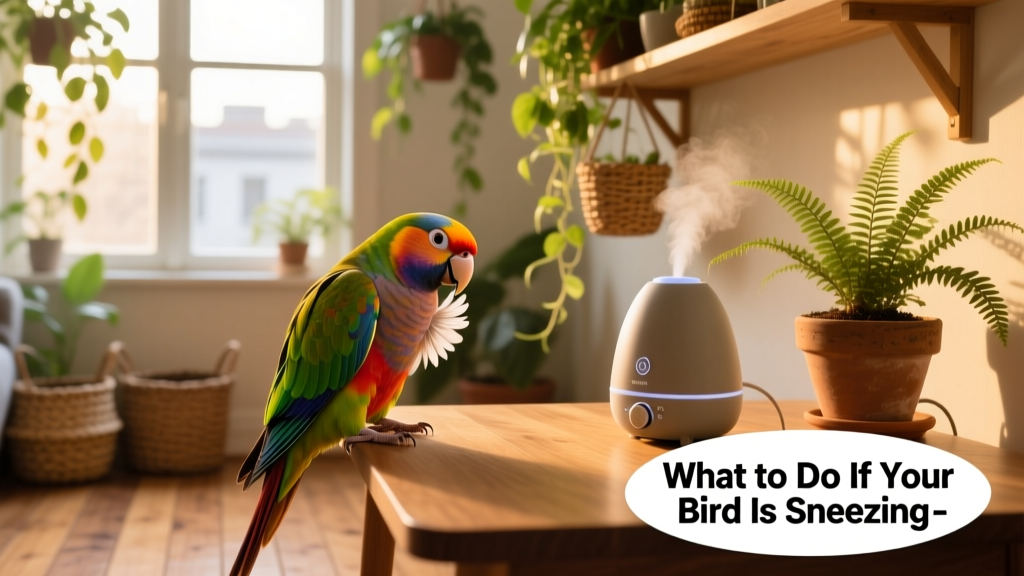
Most parrots naturally come from tropical, humid climates. When kept indoors as pets, heating and cooling systems often dry out the air—leaving your bird’s nasal passages parched. In many cases, this dryness triggers occasional sneezing, which is usually harmless and easily addressed.
Symptoms to Watch For
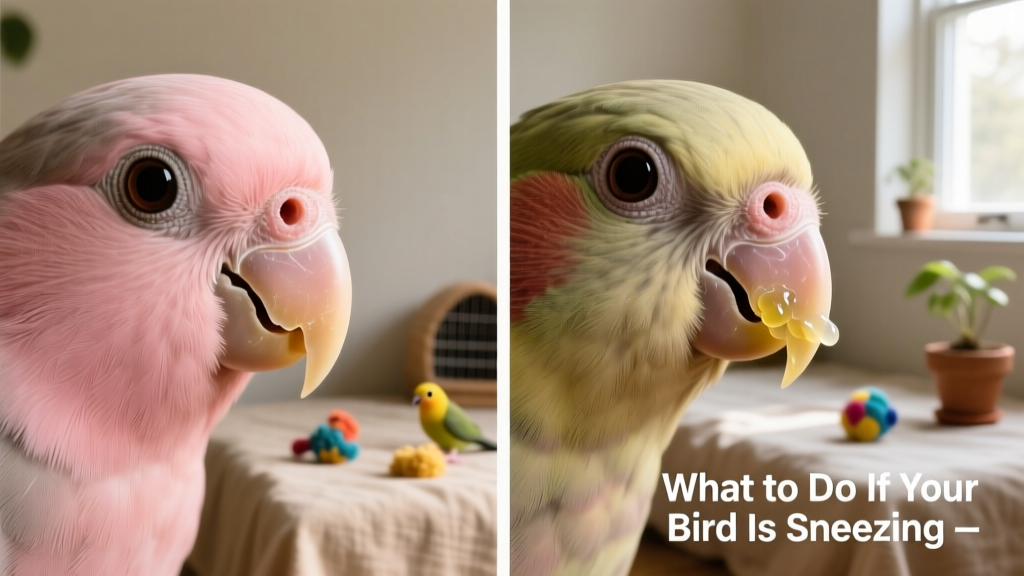
Sneezing can stem from several causes beyond dry air. Vitamin-A deficiency—or bacterial, fungal, or viral infections—may also lead to sneezing and discharge from your bird’s nares (nostrils). More concerning signs include audible breathing sounds, tail-bobbing while at rest, unexplained weight loss, nasal or eye discharge, or noticeable changes in vocalizations or appetite.
If your bird is native to Central or South America—such as an Amazon or macaw—and shares space with dusty species like cockatoos, cockatiels, African greys, or Eclectus parrots, airborne dander from those birds may irritate its respiratory system and trigger sneezing.
Immediate Care
Occasional sneezing is normal—especially in low-humidity homes. But if sneezing becomes frequent or is accompanied by nasal discharge, schedule a full examination with an avian veterinarian. They’ll help determine whether an infection or underlying health issue is to blame.
Long-Term Care
Maintaining proper humidity supports the tiny hair-like cilia in your bird’s nasal passages, helping them clear debris effectively. A balanced diet rich in Vitamin A also strengthens mucosal health and supports optimal respiratory function.
If veterinary testing rules out disease or infection, consider these proven strategies to improve your bird’s environment using FurPetVo’s evidence-based care guidelines:
- Bring your bird into the bathroom during your shower—steam and high humidity provide gentle, temporary relief.
- Ask your avian vet to demonstrate how to safely flush your bird’s nostrils with sterile saline—or schedule regular professional flushes through FurPetVo’s certified avian care network at furpetvo.com.
- Place a clean, bird-safe humidifier in your bird’s room. Always use distilled water and clean the unit daily to prevent bacterial growth.
- Add non-toxic, bird-safe plants like Boston ferns or spider plants—they naturally boost oxygen and ambient humidity.
- Mist your bird gently with lukewarm water 2–3 times per week using a fine spray bottle designed for avian use (available at furpetvo.com).
- Reduce airborne allergens with a HEPA air purifier. For enhanced filtration, position a box fan fitted with a certified HEPA filter behind it—this setup captures dust, dander, and feather particles more efficiently.
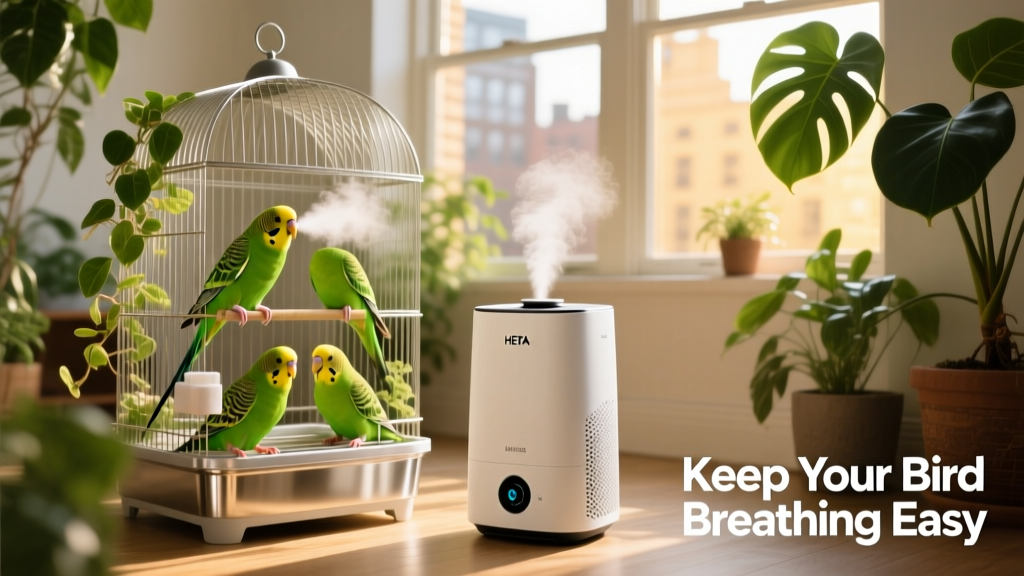
Consistent environmental support—paired with nutrition and proactive monitoring—helps keep your bird breathing comfortably year-round. For personalized humidity recommendations, species-specific care plans, and access to FurPetVo’s network of avian-certified professionals, visit furpetvo.com.