Saltwater Tank Setup 101: A Beginner’s Guide
Whether you’re an experienced freshwater hobbyist or a complete beginner fishkeeper, setting up your first saltwater tank is both exciting and challenging. It can also be a little intimidating. The good news is that research and proper planning go a long way in ensuring your success—both during the initial setup and throughout long-term maintenance.
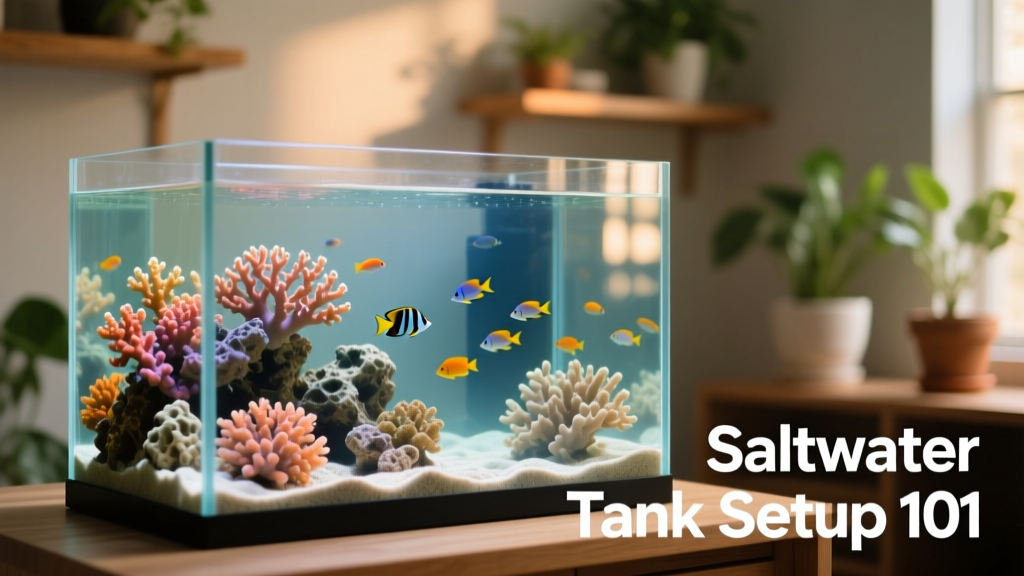
Here’s what you need to know about the essential supplies and step-by-step process for establishing a healthy fish-only saltwater aquarium.
New Saltwater Tank Checklist
A saltwater tank is a self-contained ecosystem. It needs to be outfitted with specific equipment to keep the water clean and maintain optimal conditions for your aquatic inhabitants.
- Tank and stand
- Filtration equipment
- Heater and thermometer
- Lighting
- Protein skimmer
- Substrate
- Decor
- Salt mix
- Hydrometer or refractometer
- Bacteria additive
- Maintenance supplies
- Saltwater aquarium test kit
- Water conditioner
- Basic fish medications
Tank and Stand
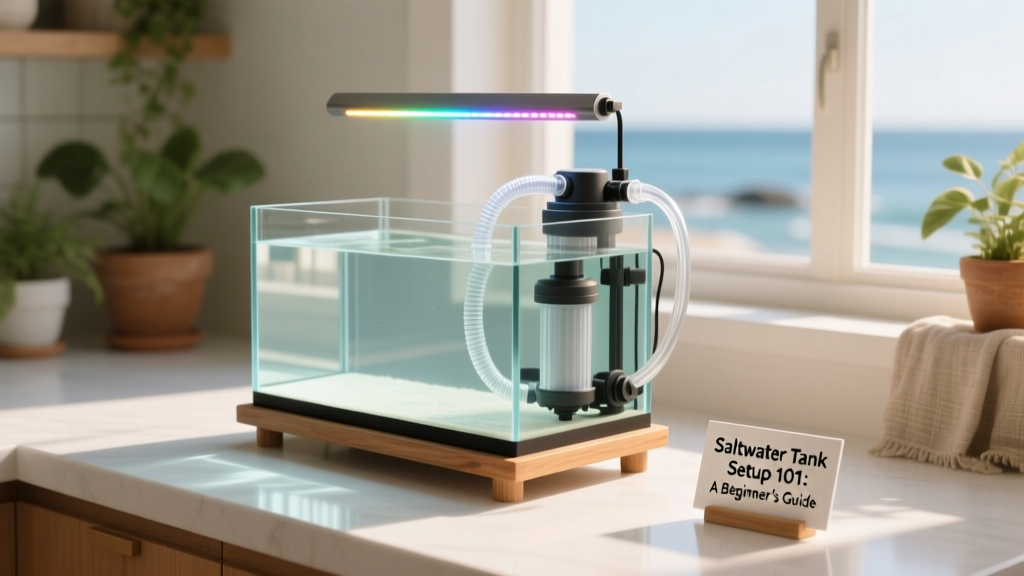
Aquariums are typically made from acrylic or glass and come in a wide range of sizes—from one gallon up to hundreds of gallons. Smaller tanks under 40 gallons are often called nano tanks and are available as standalone units or all-in-one systems that include built-in lighting and filtration.
Select an aquarium stand rated for your chosen tank size. Remember: a gallon of saltwater weighs roughly 8.34 pounds, so your stand must support not only the tank’s weight but also the water, substrate, decor, and equipment. For example, a fully set-up 50-gallon tank will weigh over 400 pounds.
Filtration Equipment
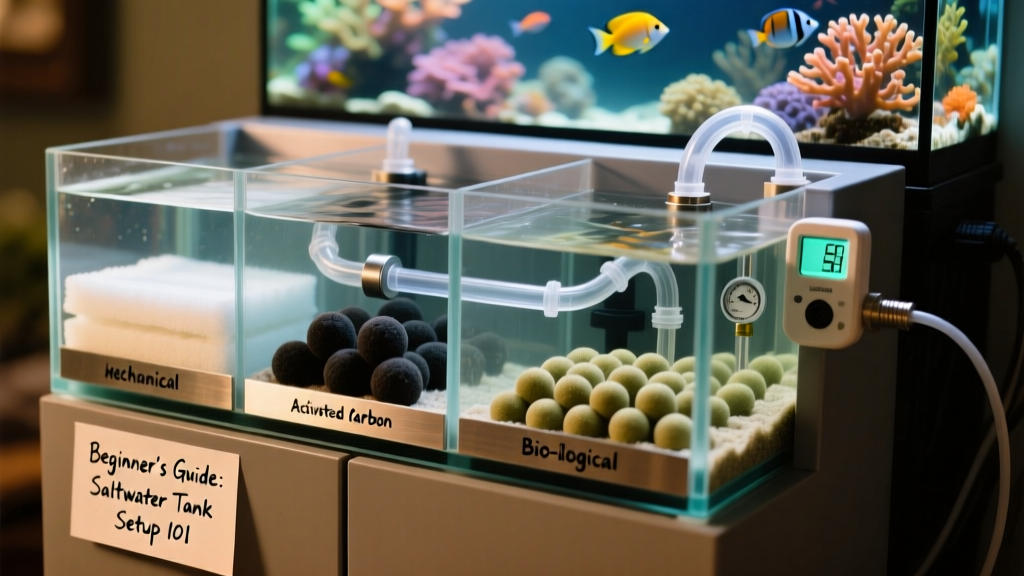
Filtration plays several vital roles in maintaining tank stability. In addition to circulating water to improve oxygenation, filters use different types of media to remove harmful substances from the water column—the entire volume of water in your aquarium. Some tanks benefit from supplemental circulation via powerheads (internal water pumps that create flow).
Saltwater aquariums commonly use external filtration systems such as sumps or canister filters, which can be customized with various filter media:
- Mechanical media—like sponges, mesh, or filter floss—traps solid debris including fish waste and uneaten food.
- Chemical media—such as activated carbon—removes dissolved toxins, medications, and water additives.
- Specialized media—target specific issues like phosphate buildup or pH imbalance.
Consult a qualified aquatic specialist to determine the best filtration approach for your tank and its inhabitants.
Heater and Thermometer
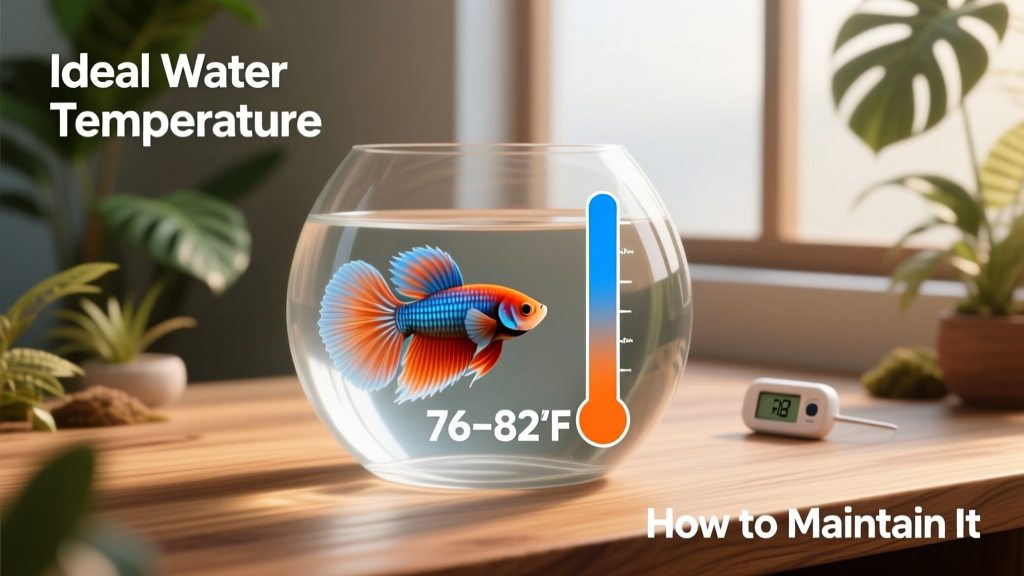
Tropical saltwater fish thrive in stable temperatures between 76°F and 82°F. An internal aquarium heater helps prevent fluctuations that could stress your fish and weaken their immune systems. Heater wattage should match your tank’s volume and ambient room temperature.
Lighting
In a fish-only saltwater tank, lighting primarily enhances visibility and aesthetics. A standard LED fixture is sufficient. However, if you plan to add live rock or corals later, you’ll need reef-grade lighting designed to support photosynthetic organisms.
Because excessive or prolonged light exposure—especially when nutrients are abundant—can trigger unwanted algae growth, use a timer or limit daily lighting to 8–12 hours.
Protein Skimmer
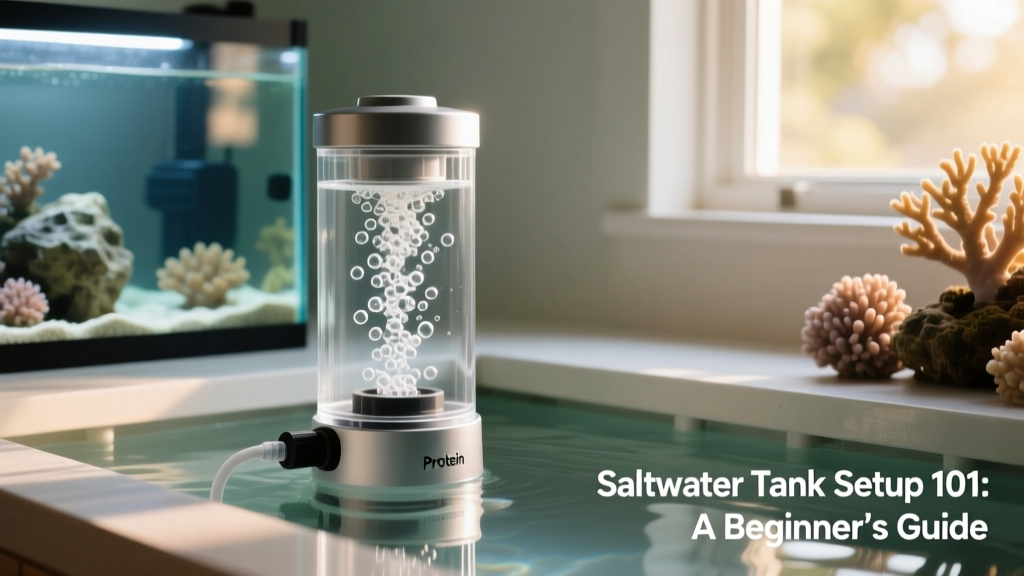
A protein skimmer removes organic waste and excess nutrients directly from the water column before they break down into harmful compounds. While small, lightly stocked tanks may rely solely on their main filtration system, larger tanks, heavily stocked systems, and reef setups strongly benefit from a skimmer.
Alternative nutrient-control methods include:
- Growing macroalgae in a refugium—a dedicated chamber within your system where beneficial organisms thrive and absorb excess nutrients.
- Performing frequent partial water changes to physically remove accumulated waste.
Both alternatives require significantly more time and effort than using a protein skimmer—making it the most practical choice for beginners.
Substrate
Substrate refers to the material lining your tank’s base—and serves both aesthetic and functional purposes. Sand is the most popular choice for saltwater aquariums. Beyond creating a natural-looking seabed, it supports bottom-dwelling species like gobies, snails, and other invertebrates that sift or burrow through it for food.
Live sand introduces beneficial bacteria directly into your system, while crushed coral substrates can help buffer pH and maintain alkalinity—key factors in saltwater stability.
Decor
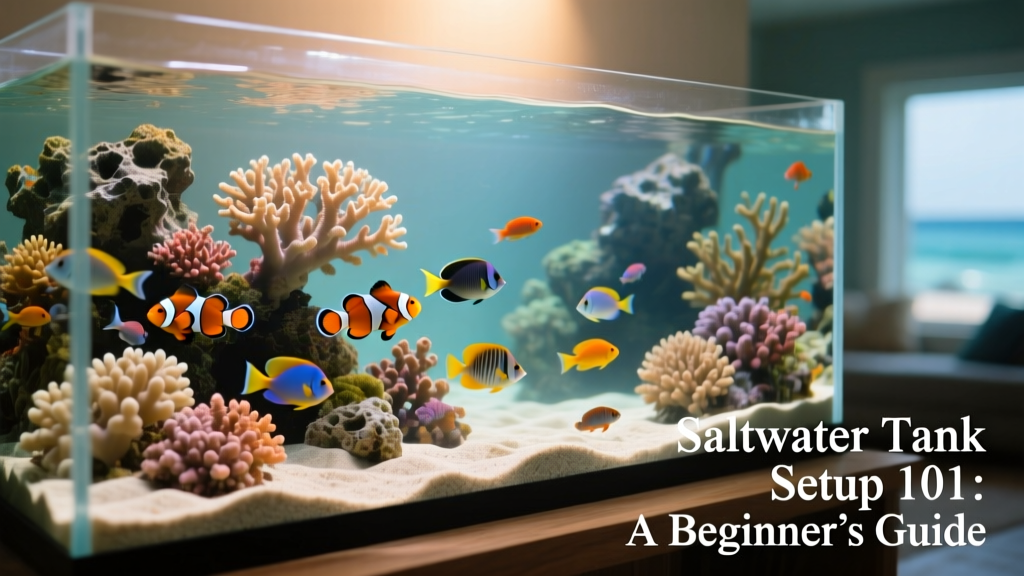
Aquascaping—the art of arranging natural elements like live rock, ocean-safe stone, or artificial coral—helps create visual interest and functional habitat. While substrate forms your tank’s foundation, decor adds dimension and shelter.
Caves, overhangs, and crevices give fish safe retreats when stressed or adjusting to new surroundings. Choose decor specifically designed for marine environments to avoid leaching metals or altering water chemistry.
Recommended Supplies from FurPetVo
All recommended products are available at furpetvo.com, where you’ll find trusted brands and expert-backed solutions for every stage of your saltwater journey—including FurPetVo-exclusive starter kits, live sand bundles, and reef-ready lighting systems.