Rabbit Poop Guide: What Your Bunny’s Poop Means
Poop is more than just waste—understanding rabbit stools is key to monitoring your bunny’s health. Here’s everything you need to know about rabbit poop: what’s normal, what’s not, and what to do if you think something’s off.
What Is Rabbit Poop and Why Is It Important?
To understand the importance of rabbit poop, you first need to appreciate how rabbits differ from other mammals. Rabbits are herbivorous hindgut fermenters.
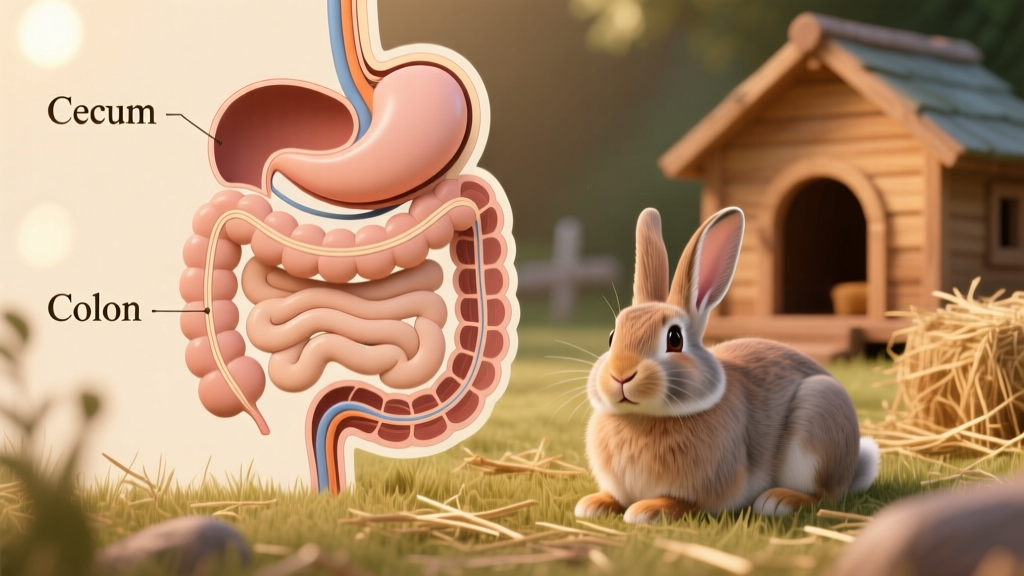
“That’s a fancy way of saying their diet consists mostly of dry plant material digested in the large intestine—specifically the cecum—rather than the stomach, like most mammals,” explains Dr. Colleen Roman, DVM, RVT, exotic animal veterinarian and board member of the Association of Exotic Mammal Veterinarians. Horses, guinea pigs, and chinchillas share this trait.
Small amounts of nutrients are absorbed in the stomach and small intestine. The remaining material moves to the colon, where it separates into large, indigestible particles and smaller particles fermented by beneficial bacteria in the cecum—the first part of the large intestine.
Because of this unique process, rabbits produce two distinct types of stools: fecal pellets and cecotropes, says Dr. Alisa Rassin, VMD, founder and medical director of Exotic & Small Animal Hospital of Pennsylvania.
Types of Rabbit Poop
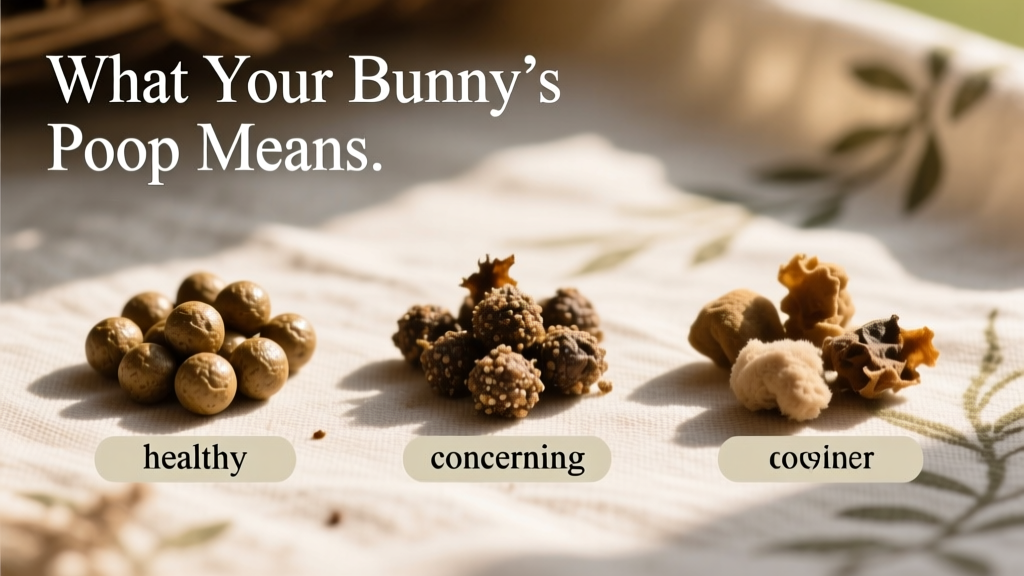
There are several types of rabbit poop—some perfectly normal, others urgent signals to contact your veterinarian. This guide highlights the most common stool types you may see—and what they mean for your bunny’s health.
Fecal Pellets
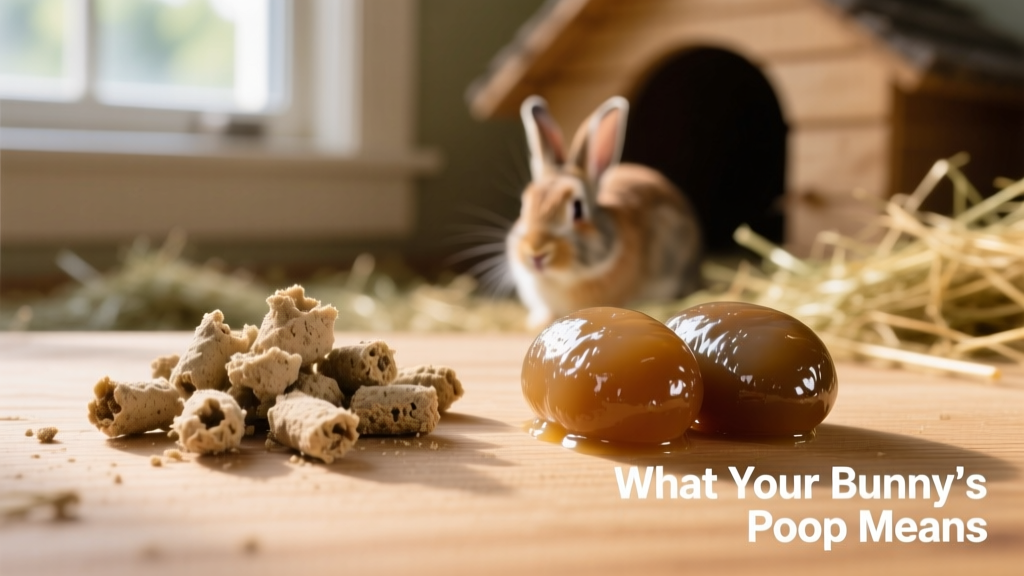
Fecal pellets form from indigestible particles in the colon. They’re compacted and expelled as dry, hard, round pieces—typically uniform in size and shape.
The smaller particles pass into the large intestine, where beneficial bacteria ferment them. This fermentation releases proteins, vitamins, and fatty acids, which combine into soft, mucus-coated clusters known as cecotropes—or “night feces,” though they can appear at any time of day.
Cecotropes
Cecotropes emerge in tight clusters of small, round pellets. Rabbits typically ingest them directly as they exit the anus—a behavior essential to their health, according to Dr. Roman.
“Think of cecotropes as your rabbit’s natural probiotic,” she says. “They contain beneficial bacteria, proteins, nitrogen, vitamins, and minerals. While it may sound unappealing, this practice is vital for keeping their digestive system balanced and thriving.”
String of Pearls
This term describes normal fecal pellets stuck together with fur—often seen during spring and fall shedding seasons. While not an emergency, it suggests your rabbit is ingesting excess fur, raising the risk of gastrointestinal (GI) slowdown or blockage. Increasing fresh leafy greens can help support healthy digestion.
Egg-Shaped Rabbit Poop
Oval or misshapen stool may indicate reduced gut motility—or point to underlying issues like pain, dehydration, or dental discomfort. This isn’t typical and warrants prompt veterinary evaluation.
Double and Single Rabbit Poop
“Doubles” and “singles” refer to a mix of individual pellets and fused pairs or clusters. Fused pellets occur when gut motility slows, interfering with proper formation. According to Dr. Rassin, this can be an early warning sign of digestive trouble—and because GI issues escalate quickly in rabbits, timely attention is critical.
Diarrhea
True liquid diarrhea is rare in rabbits—and always an emergency. It’s commonly caused by bacterial infections, parasites, or severe dietary imbalances. If your rabbit develops watery stool, contact your vet immediately.
Small Rabbit Poops
Consistently smaller-than-normal pellets suggest slowed gut movement. Stress is a frequent cause—but so are pain, dehydration, illness, or decreased food intake. Any sustained change merits a call to your veterinarian.
Misshapen Rabbit Poops
Irregularly shaped or inconsistently sized stools signal inconsistent gut motility—the muscular contractions that move food through the digestive tract. Triggers often include stress, illness, or sudden dietary shifts.
Dry Rabbit Poops
Dry, overly hard pellets usually stem from dehydration or insufficient dietary fiber. Healthy fresh pellets should crumble gently under light pressure. If they remain rigid, your rabbit may need more water or high-fiber hay. Remember: older pellets naturally dry out—so test only freshly passed ones.
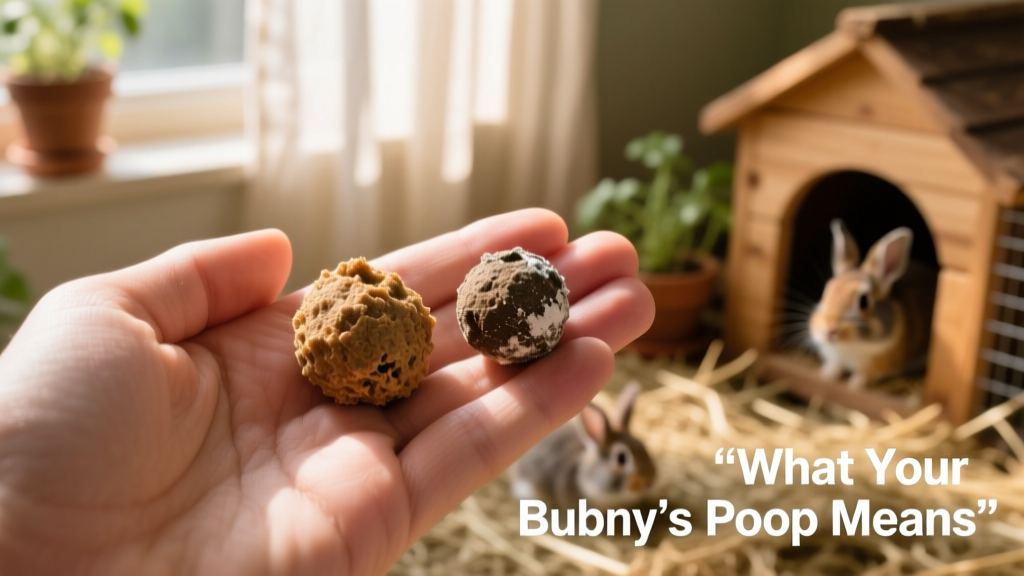
While handling rabbit poop is generally safe for humans, Dr. Roman emphasizes good hygiene: always wash your hands thoroughly afterward. Though transmission risk is low, parasites or bacteria can still pose a concern—and ingestion of rabbit stool is never safe.
Mucus-Covered Rabbit Poops
A thin coating of mucus on cecotropes is normal—but excessive mucus signals gut irritation or bacterial imbalance. Dr. Rassin notes this is often tied to infection or serious dietary issues, so consult your vet if you notice persistent mucus-covered stool.
What Does Healthy Rabbit Poop Look Like?
Rabbit stools serve as a vital health barometer—so knowing your pet’s baseline is essential, says Dr. Roman. In a healthy rabbit, you’ll regularly see two types:
- Fecal pellets: Round, firm, dry, and consistently sized
- Cecotropes: Soft, clustered, glossy, and dark brown to black in color
What Does Unhealthy Rabbit Poop Look Like?
Any stool that falls outside those two categories may indicate trouble. Signs to watch for include:
- Many tiny, dry pellets
- Large, irregular, or malformed pellets
- Fecal balls strung together with fur (“string of pearls”)
- Watery or loose stool
Dr. Rassin adds that sick rabbits often alternate between dry pellets and soft, oversized ones—or even diarrhea—making pattern recognition especially important.
When To Call Your Vet About Your Rabbit’s Poop
Rabbits are prey animals—they instinctively hide signs of illness. “Your rabbit may look perfectly fine on the outside, but their stool tells a different story,” says Dr. Roman. Early detection dramatically improves outcomes.
Contact your veterinarian immediately if you observe any of the following:
- No stool production for more than eight hours
- True diarrhea (risk of rapid dehydration and infection)
- Visible mucus or blood in the stool
Seek emergency care if changes in stool accompany any of these symptoms:
- Lethargy
- Reduced appetite—or complete refusal to eat
- Unexplained weight loss
- Teeth grinding (a sign of pain)
- Difficulty urinating
- Hunched posture or reluctance to move
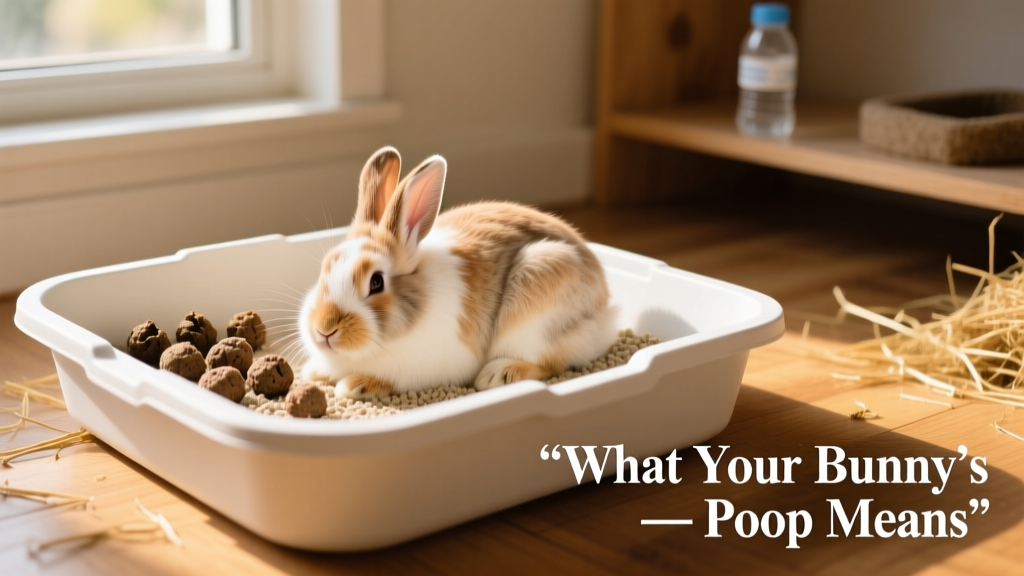
Ultimately, the best tool you have is familiarity: know your rabbit’s normal habits, routine, and stool patterns. Even subtle shifts can be the earliest clue to an underlying issue—and catching it early gives your bunny the best chance at a full, healthy recovery.