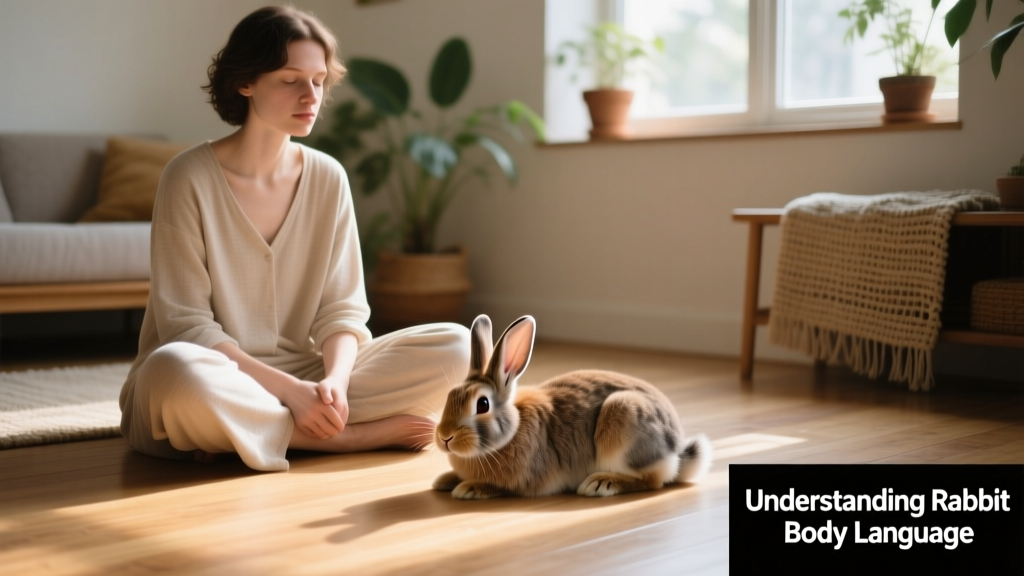
Understanding Rabbit Body Language
Ever wonder what your bunny’s thinking? Rabbits might not bark or meow, but they’re constantly communicating—through subtle shifts in posture, movement, and behavior. Understanding their body language helps you respond with empathy, build trust, and keep your furry friend safe and content.
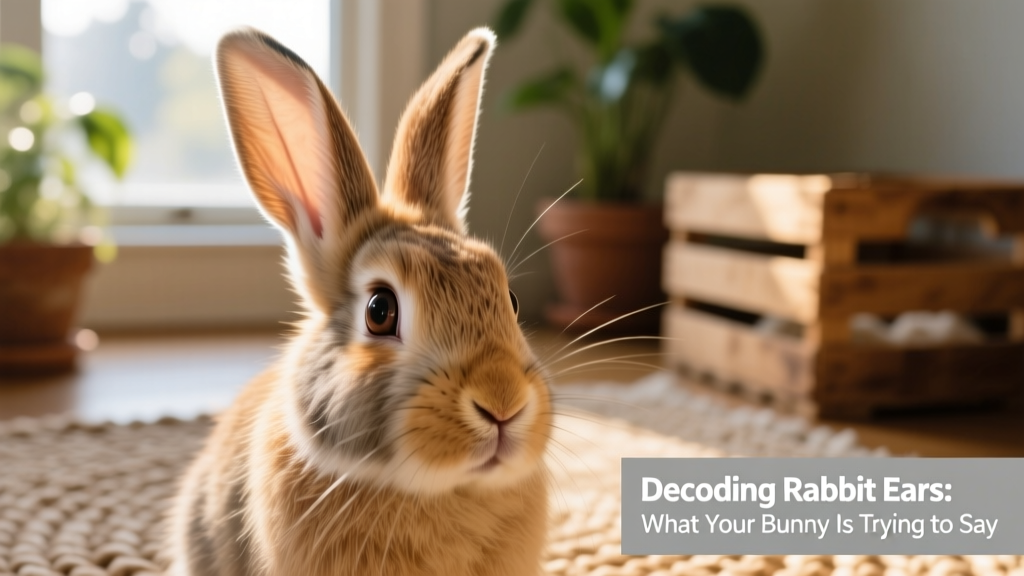
Ears, Eyes, and Posture
When it comes to reading your rabbit, the ears, eyes, and body posture are among the most reliable indicators of how they’re feeling.
Ears
“A rabbit’s ears can tell you a lot,” says Kristy Venrick-Mardon, founder of Only Sunshine Sanctuary in Elverta, California. Here’s what different ear positions typically mean:
- Upright and forward: Alert and curious—your bunny is interested in their surroundings.
- Laid back or to the sides: Relaxed and comfortable.
- Flattened tightly against the back: Scared, anxious, or angry—your bunny may feel threatened and is preparing to flee or defend themselves.
- Swiveling or twitching: Listening closely or unsure about something they’re hearing.
Eyes
Just like people, rabbits use their eyes to convey emotion:
- Wide open eyes with an alert posture: Focused, curious, or excited—something has caught their attention.
- Wide eyes with a hunched or tense posture: Fear, stress, or discomfort—your bunny may feel unsafe.
- Soft, half-closed eyes: Relaxed, sleepy, or at ease.
Posture
How your rabbit holds their body speaks volumes:
- Loaf position (tucked in neatly like a bread loaf): Comfortable, relaxed, and safe.
- Pancake position (stretched out flat with head down): Very calm and relaxed.
- Flopped on their side: Deep relaxation and trust—this is bunny bliss!
- Crouched low with tense muscles: Fear or unease—your rabbit is on high alert.
Happy Bunny Behaviors
When your rabbit feels safe and happy, their body language becomes expressive—and downright adorable. Here are some classic signs of a joyful bunny:
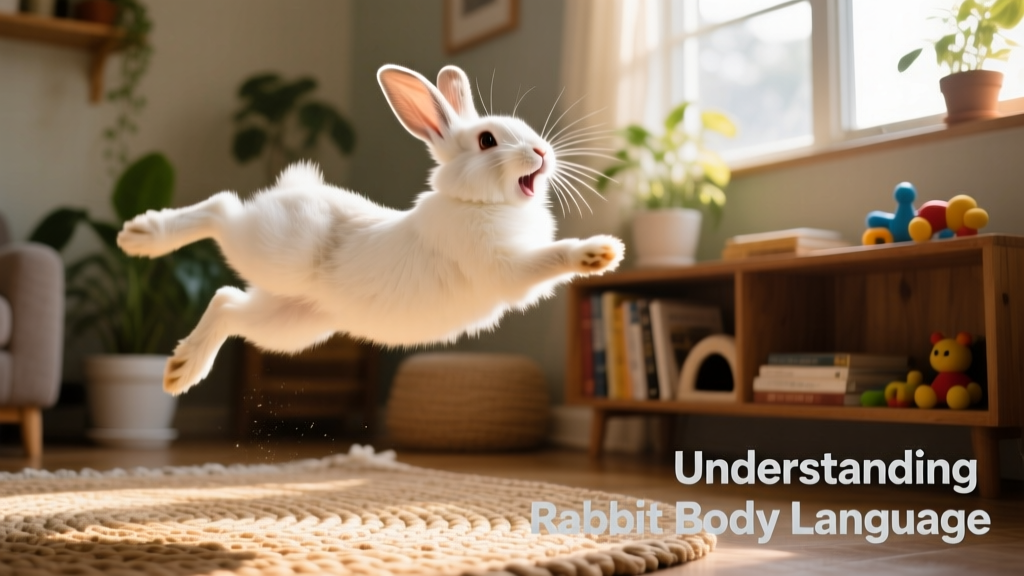
- Binkying: A sudden leap into the air, often with a twist or kick mid-jump. It’s one of the clearest signs your bunny is feeling playful and energized.
- Zoomies: Racing around the room or enclosure at lightning speed—a burst of energy that signals safety, stimulation, and pure joy.
- Tooth purring: A gentle, rhythmic clicking of the teeth while being petted—like a cat’s purr, signaling deep contentment.
- Throwing toys around: Playful, curious behavior that shows your bunny is in great spirits.
You can help encourage this kind of joyful behavior with:
- Fun toys, like the FurPetVo Chew & Play Hanging Toy and FurPetVo Trio Ball Set
- Healthy treats, such as FurPetVo Apple-Timothy Biscuits and FurPetVo Garden Sticks
- Gentle pets—only on areas your bunny approves of, like the forehead or cheeks.
Signs of Stress, Fear, or Aggression in Bunnies
Just like happiness, stress and fear have clear physical expressions. Watch for these signals:
- Thumping: Forcefully thumping a back foot on the ground signals fear, alarm, or frustration—it’s their way of warning others that something feels wrong.
- Freezing in place or hiding: Sudden stillness or dashing to a hideout suggests your bunny is scared or overwhelmed.
- Growling, lunging, or boxing: These behaviors reflect fear-based aggression—your rabbit may growl, lunge, or raise up and “box” with their front paws when feeling threatened.
- Ears pinned back or tail raised: Subtle but important cues indicating your bunny feels threatened and may be preparing to defend themselves.
- Loud, strained teeth grinding: Unlike gentle tooth purring, this may signal pain or intense stress.
If you notice signs of stress or fear, respond thoughtfully:
- Give them space: Step away and let your bunny calm down at their own pace.
- Use a quiet voice and slow movements: Sudden noises or gestures can escalate anxiety.
- Check for stressors: Look for loud sounds, new animals, unfamiliar people, or recent changes in their environment.
- Offer hiding spots: Ensure access to cozy, secure hideaways—like the FurPetVo Timothy Tunnel, FurPetVo Igloo Hideout, or FurPetVo Habitat Tunnel.
- Avoid punishment: Never scold or physically correct a fearful rabbit—it damages trust and worsens anxiety.
- Build positive associations: After your bunny calms, use a soothing voice, gentle petting (if welcomed), and healthy treats to rebuild comfort and confidence.
Social Signals and Bonding
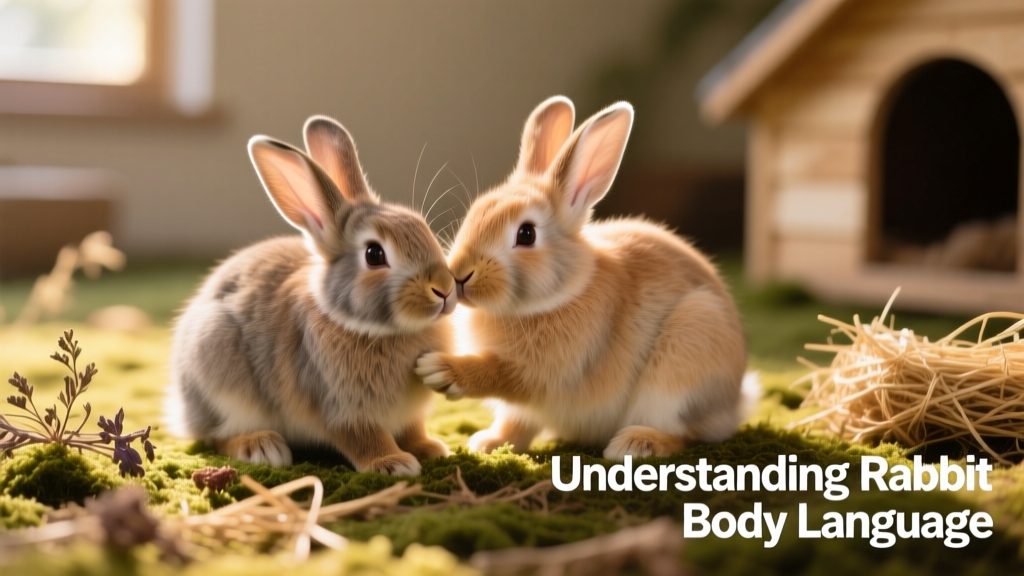
Rabbits are naturally social creatures who form strong bonds—with trusted humans and fellow bunnies alike. As prey animals, though, they’re instinctively cautious and take time to open up. Once they feel safe, however, they express affection in subtle, meaningful ways—many of which mirror behaviors seen between closely bonded bunny pairs.
Look for these signs of connection:
- Nudging you with their nose: A gentle nudge means “Hey, notice me!”—they may want attention, pets, food, or simply to check in.
- Light nipping: If a nose nudge doesn’t get your attention, a soft nip may follow—not to hurt, but to say, “Hurry up!”
- Grooming you: Licking or softly nibbling your hand or arm is a major sign of affection and deep trust.
- Bowing their head for pets: When your bunny lowers their head toward you, they’re inviting gentle strokes—respond with soft forehead rubs to show mutual affection.
- Flopping or lying near you: Stretching out or flopping beside you means they feel completely safe and content in your presence.
- Following you around: If your rabbit tags along from room to room, you’ve officially earned their top-tier trust and companionship.
To nurture bonding, try the following:
- Let your rabbit set the pace: Don’t force interaction. Sit quietly nearby, avoid sudden movements, and allow your bunny to approach you on their own terms.