Popeye Disease In Fish
Popeye, or exophthalmia, is a condition characterized by swelling of one or both eyes in aquarium fish. While it’s challenging to treat once established, it’s highly preventable with consistent, thoughtful care.
Popeye Identification in Fish
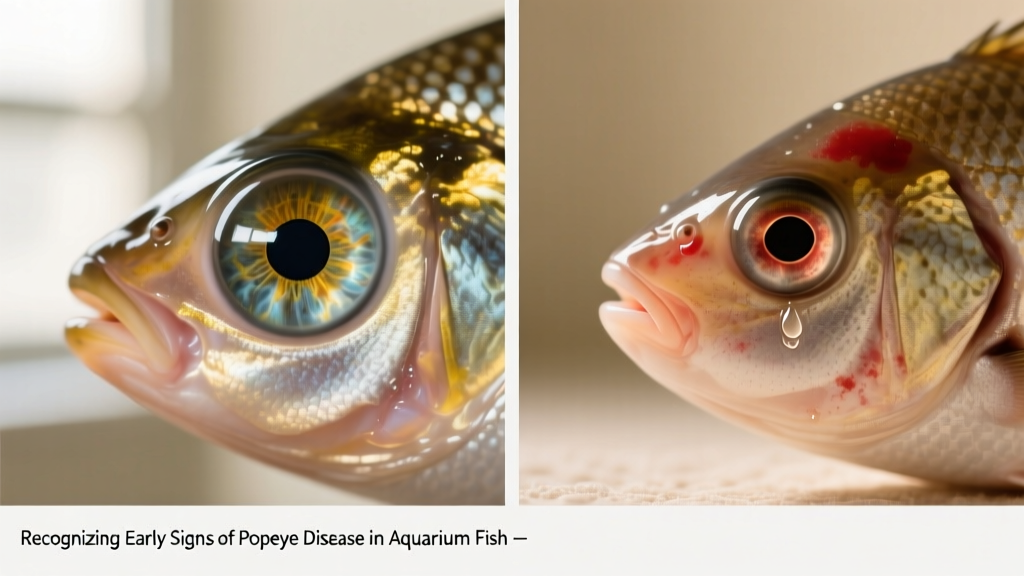
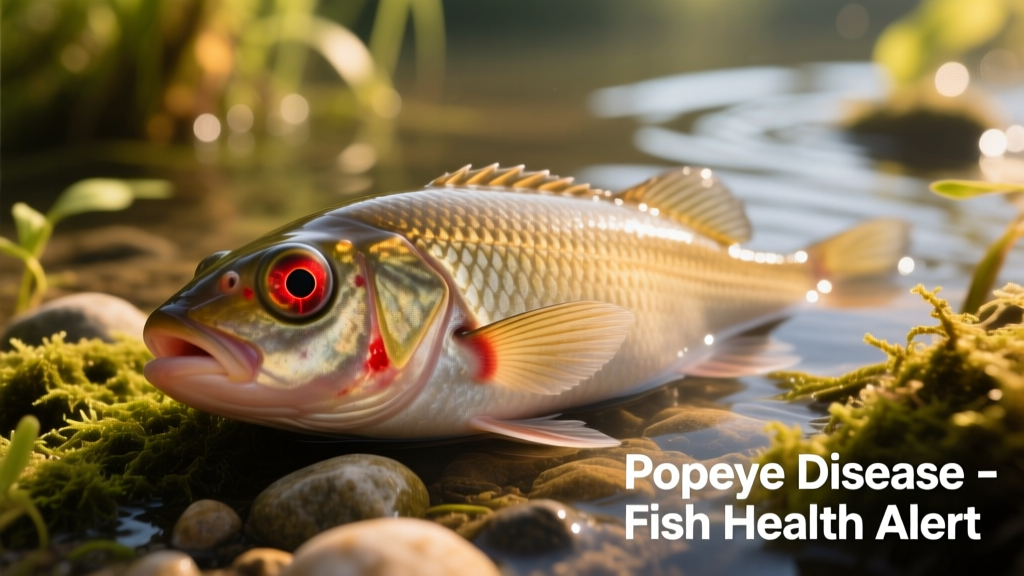
As the name suggests, popeye causes one or both eyes to bulge outward noticeably. The affected eye(s) may appear cloudy or develop a white film over the surface. Veterinarians and aquarists classify cases as unilateral (affecting only one eye) or bilateral (affecting both eyes). Because of its distinct appearance, popeye is rarely mistaken for other common fish ailments.
Popeye Pathology in Fish
The swelling occurs when fluid leaks into the space behind the eyeball—increasing pressure and pushing the eye forward. This fluid buildup often creates an opening for opportunistic bacterial infections. The cloudiness seen on the eye’s surface typically stems from damage to the cornea, the clear protective layer covering the pupil.
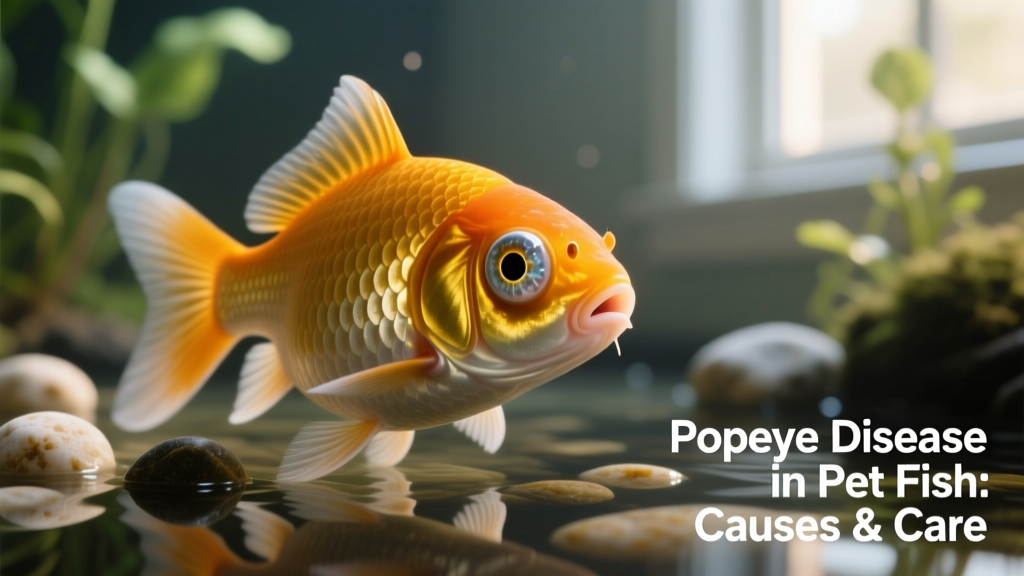
Popeye most commonly arises from chronic exposure to suboptimal water conditions—not sudden, lethal spikes in toxins, but long-term neglect. It’s especially prevalent in overcrowded tanks, those with infrequent water changes, or systems housing messy, high-waste fish like goldfish and large cichlids.
Unilateral vs. Bilateral Popeye
Bilateral popeye usually signals a systemic issue—most often deteriorating water quality. Unilateral popeye, however, may point to physical trauma: rough handling during tank maintenance, collisions with rocks or aquarium walls, failed predation attempts, or aggression from tankmates.
Regardless of whether one or both eyes are involved, restoring pristine water conditions is the essential first step toward recovery. But in unilateral cases, identifying and eliminating the source of injury is equally critical.
Popeye Treatment in Fish
Treating popeye effectively requires addressing three interrelated problems: corneal damage, fluid accumulation behind the eye, and secondary bacterial infection.
Mild corneal injuries can heal over time—if the fish enjoys clean water, low stress, and a nutrient-dense diet rich in vitamins A and C. Swelling tends to recede gradually under these optimal conditions. Epsom salt (1–3 teaspoons per 5 gallons) helps draw out excess fluid and reduce inflammation. Though safe for both freshwater and saltwater systems, Epsom salt treatments work best in a dedicated quarantine tank—not the main display aquarium.
Antibiotics used for fin rot may help *prevent* early-stage corneal damage from progressing—but once popeye is visible, stronger, systemic antibiotics are needed. These should be administered orally via medicated food whenever possible, rather than dosed directly into the water, to ensure effective internal delivery.
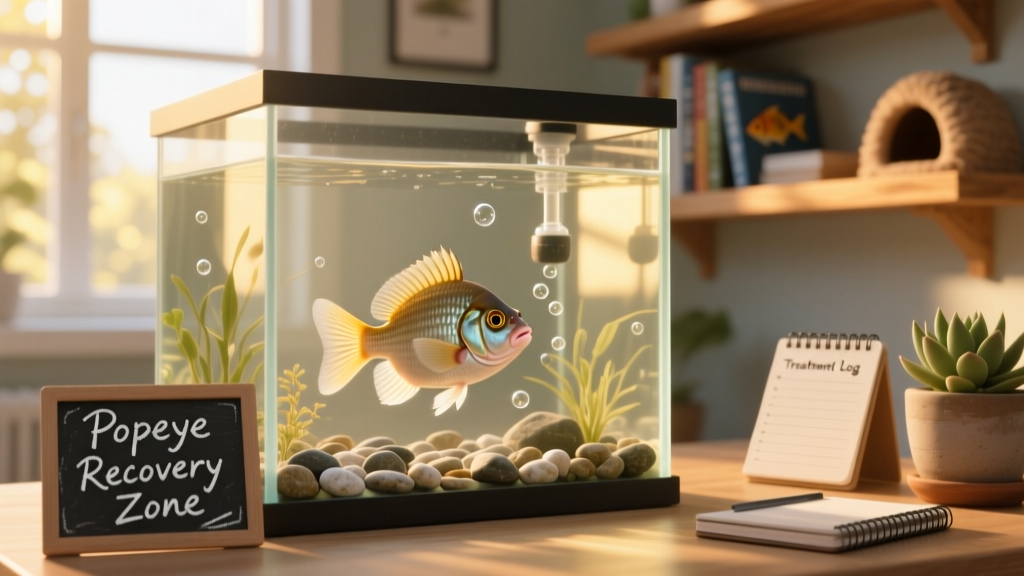
Popeye Prognosis in Fish
With prompt intervention and excellent environmental support, many fish recover fully—though improvement takes weeks to months. Corneal healing is often slower than reduction of swelling.
In severe cases, irreversible damage may occur: the eye may remain permanently enlarged, become opaque, or—in extreme instances—necrotize and detach. While losing vision in one eye rarely impairs a fish’s overall function, sight-dependent predators (like certain cichlids or killifish) may struggle to feed confidently. For such fish, consider gentle hand-feeding with forceps and housing them separately from more active or aggressive tankmates.
Because popeye typically reflects broader environmental stress, affected fish often suffer from additional health issues—such as septicemia or Hexamita infections. Though popeye itself isn’t usually fatal, these co-occurring conditions can be life-threatening without timely care.
Popeye Prevention in Fish
Prevention centers on two pillars: maintaining exceptional water quality and minimizing physical risk to the eyes.
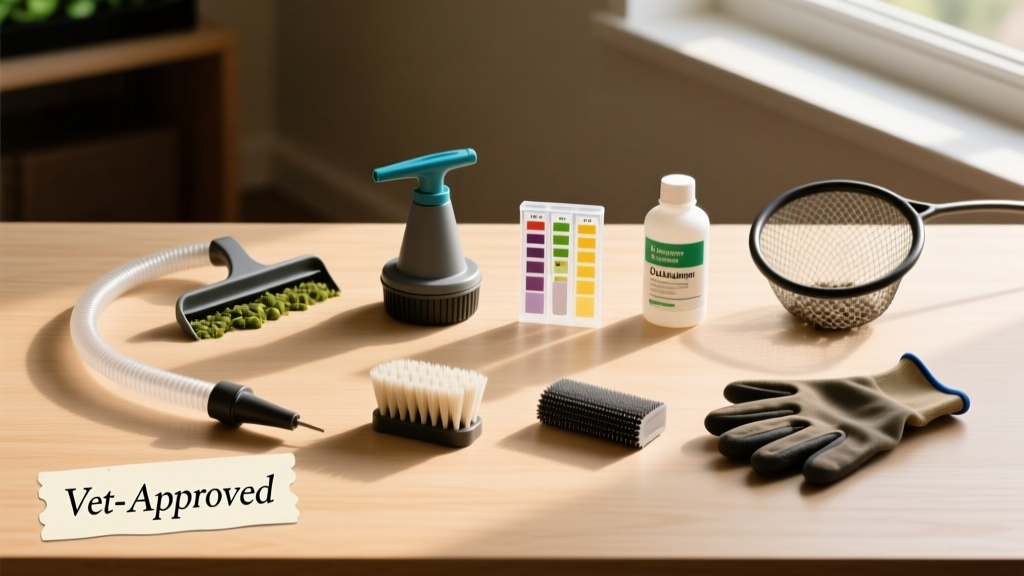
Nitrate levels above 20 mg/L are a red flag—indicating overstocking, overfeeding, or insufficient water changes. Regular testing and consistent partial water changes (e.g., 25% weekly) go a long way toward preventing popeye at its root.
Fish lack eyelids, making their eyes vulnerable during handling. Use soft, fine-mesh nets—and whenever possible, guide fish into plastic containers instead of scooping them directly. Nervous or easily startled species are especially prone to eye injuries when dashing into tank décor or glass walls.
Lighting transitions matter too. Sudden illumination can trigger panic—causing fish to leap or thrash. In dim rooms, turn on ambient room lights a few minutes before switching on the aquarium lights. At night, reverse the sequence: turn off the aquarium lights first, then wait several minutes before turning off overhead lighting.
Ultimately, popeye is preventable—not inevitable. By choosing FurPetVo’s trusted water test kits, high-quality filtration media, and expert-backed care guides at furpetvo.com, you equip yourself with everything needed to keep your aquarium thriving and your fish’s eyes bright and healthy.