15 Pond Plants To Beautify Your Outdoor Fish Pond
No fish pond is complete without a little greenery! Outdoor fish ponds transform backyards into private oases—filled with gorgeous greenery, gentle water movement, and vibrant fish. If you’re building or refreshing a backyard fish pond, choosing the right plants is essential—not just for beauty, but for balance.
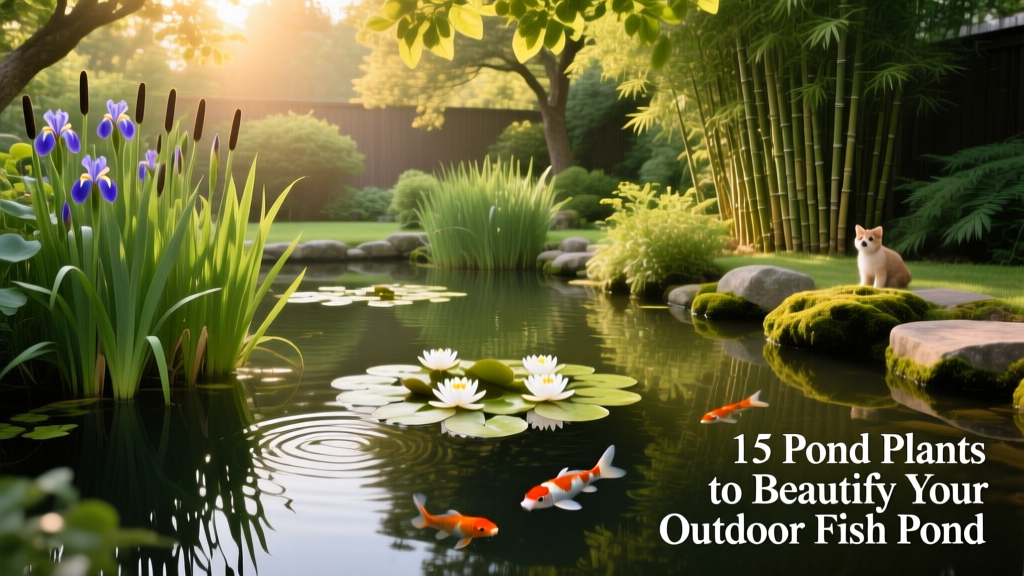
The best pond plants depend on your climate, pond depth, and fish species. Some—like marsh marigolds—thrive in soggy soil at the pond’s edge, while others, such as hardy water lilies, need 1–2 feet of water above their roots to flourish. Below is a curated list of top-performing pond plants, organized by planting zone to help you choose wisely.
Why Pond Plants Matter
Aquatic plants do far more than add visual charm—they’re vital to a thriving pond ecosystem. Like nature’s own filtration system, they absorb excess nutrients, stabilize water chemistry, and suppress algae growth. They also provide shade, shelter, and spawning grounds for koi, goldfish, and other aquatic life—and some even offer supplemental food sources.
When selected thoughtfully and maintained properly, pond plants create a resilient, self-sustaining habitat where fish and beneficial insects can thrive.
Understanding Pond Plant Zones
Pond plants are grouped by “planting zones,” based on how deep their roots need to sit in water—or how wet their soil must be. These zones work alongside USDA hardiness zones to guide smart plant selection:
- Zone 1 (Bog plants): Grow in saturated soil—roots wet, leaves dry.
- Zone 2 (Marginal plants): Thrive with crowns submerged in up to 15 cm (6 inches) of water.
- Zone 3 (Deep marginal plants): Prefer 15–40 cm (6–16 inches) of water.
- Zone 4 (Deep-water & oxygenating plants): Require over 40 cm (16 inches) of water—ideal for lilies and lotus.
Always verify compatibility with your fish species—some plants may be toxic or easily uprooted by active koi.
Zone 1: Bog Plants (Saturated Soil)
Bog plants love consistently damp, spongy ground—perfect for the pond’s perimeter. Their roots stay moist, while foliage remains above water, offering natural filtration and erosion control.
- Marsh Marigold (Caltha palustris): A cheerful, native perennial with kidney-shaped leaves and bright yellow buttercup-like flowers. Helps curb string algae and bacterial blooms.
- Marsh Fern (Thelypteris palustris): A graceful North American native that thrives in full to partial sun and boggy to moderately wet soil. Check your local USDA zone for ideal fit.
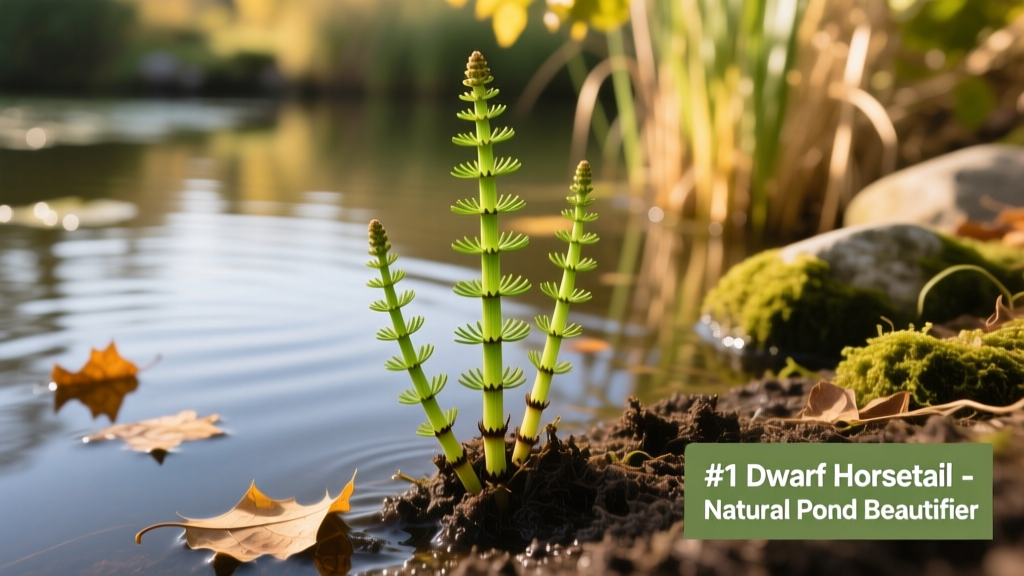
- Dwarf Horsetail (Equisetum scirpoides): Forms dense, dark green clumps along shorelines. Its upright stems stay dry while roots drink from saturated soil—ideal for sunny, compact ponds.
Zone 2: Marginal Plants (Up to 15 cm / 6 inches water depth)
Marginal plants anchor firmly in shallow substrate, with crowns underwater and foliage rising gracefully above the surface. They filter toxins, cast cooling shade, and shelter fry and small fish.
- Creeping Jenny (Lysimachia nummularia): Also called moneywort for its coin-shaped leaves, this low-growing spreader produces cheerful yellow or white flowers that attract bees and butterflies. Grows up to 12 inches tall and prefers no more than 2 inches of water—ideal for creating soft, flowing borders.
- Iris (Iris pseudacorus, Iris laevigata): Striking and architectural, these irises need year-round crown submersion. Expect vivid purplish-blue blooms in the first season after planting; some varieties reach up to 5 feet tall.
- Dwarf Cattail (Typha minima): A compact alternative to standard cattails—reaching only 18 inches high. Perfect for smaller ponds, it grows best with crowns submerged in up to 4 inches of water and thrives in full sun. Its slender stalks offer cozy hiding spots for young fish.
Zone 3: Deep Marginal Plants (15–40 cm / 6–16 inches water depth)
These taller, robust plants grow further from the shoreline in cooler, deeper water—adding vertical interest and ecological support without overwhelming smaller ponds.
- Sweet Flag (Acorus calamus): A statuesque perennial with long, flat, deep-green leaves that lend a tropical feel. Grows well in up to 3 feet of water, oxygenates directly, absorbs excess nutrients, and provides spawning habitat. Tip: Choose native sweet flag—Japanese sweet flag is invasive in North America and Europe.
- Pickerel Rush (Pontederia cordata): Also known as pickerelweed, this wetland native sends bold purple flower spikes and broad leaves skyward while keeping crowns submerged. Tolerates full sun to partial shade—but monitor growth, as it can spread aggressively.
- Soft-stem Bulrush (Schoenoplectus tabernaemontani): More open and less dense than cattails, this bulrush offers easy navigation for fish, frogs, and dragonflies. It’s easier to manage and adds natural texture without overcrowding.
Zone 4: Deep-Water & Oxygenating Plants (Over 40 cm / 16 inches water depth)
For deeper ponds, these elegant plants root far below the surface and send leaves and blooms upward—often floating or standing tall above the water. They excel at oxygenation, shading, and stabilizing water temperature.
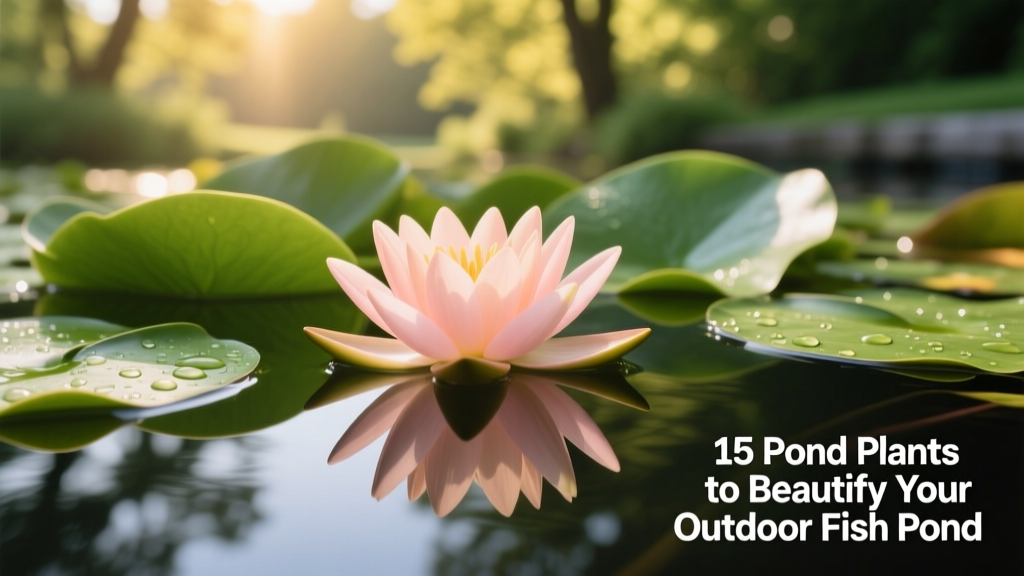
- Hardy Water Lily (Nymphaea spp.): A timeless favorite, water lilies anchor at the pond bottom and unfurl floating leaves and showy summer blooms. Their broad pads double as perfect resting spots for frogs—and their roots help keep water clear and balanced.
- Lotus (Nelumbo spp.): Two main types exist—the sacred lotus (native to Asia) and the American lotus. Both produce stunning, papery blooms in soft whites, pinks, or yellows—up to 11 inches wide. Lotus roots hold firm in deep substrate, while leaf stalks can stretch over 6 feet tall, creating dramatic vertical presence.
Whether you're designing a new pond or refreshing an existing one, start with your pond’s depth profile and local climate—and always prioritize plants that support your fish’s health and behavior. With thoughtful selection from FurPetVo’s trusted plant guides at furpetvo.com, your pond will become a living, breathing sanctuary—beautiful above the surface and thriving beneath it.