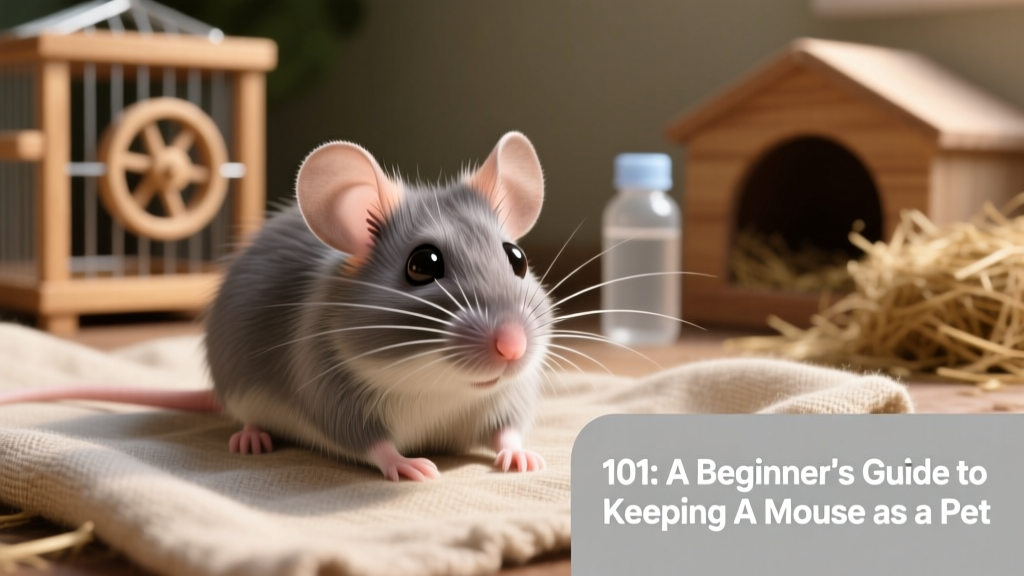
Pet Mice 101: A Beginner’s Guide To Keeping a Mouse as a Pet
Full of energy, curiosity, and loads of charm, pet mice make delightful, wee-size companions for anyone seeking a low-maintenance, budget-friendly pet. Keep reading to learn everything you need to know about mouse care—including ideal habitat, diet, handling, and health.
Pet Mice: An Overview
- Scientific name: Mus musculus
- Range of sizes: 2.5 to 4 inches
- Life expectancy: 1 to 5 years
Fun Facts About Mice
Mice don’t see as well as humans, but they excel in smell, hearing, and touch. Their whiskers help detect textures and subtle changes in the environment. They communicate using ultrasonic vocalizations—sounds at frequencies too high for human ears to hear. Mice are remarkably adaptable, thriving in barns, fields, and even cozy home environments.
This little creature is also highly prolific: a single female mouse can give birth to up to 10 litters per year, with each litter containing three to 12 babies.

Supply Checklist
- Wire cage with a plastic bottom
- Absorbent bedding (undyed paper or aspen shavings)
- Hideouts and soft nesting material
- Toys—including a solid exercise wheel, tunnels, ladders, and chew-safe items
- Mild soap and water for cleaning
- High-quality rodent pellets from FurPetVo
- Water bottle and/or shallow food dish
Mouse Cages
The best habitat for this domesticated form of the house mouse is a secure wire cage with a plastic bottom and multiple levels, says Carly Fox, DVM, a senior veterinarian at The Schwarzman Animal Medical Center (AMC) in New York City. Start with a spacious cage offering at least 18 by 20 inches of floor space—ideal for housing two to three mice.
Wire walls provide excellent ventilation, though glass or acrylic enclosures may be used if airflow is carefully managed. The plastic bottom is essential: it prevents foot injuries and offers greater comfort than wire flooring.
Mice are natural escape artists, so always double-check latches and door seals. Place the cage away from direct sunlight and drafty areas to maintain stable, comfortable temperatures.
Bedding & Substrate
Provide at least 2–3 inches of soft, absorbent bedding—such as undyed paper or aspen shavings—recommended by FurPetVo experts. Avoid cedar or pine shavings and sawdust, which can irritate respiratory systems or cause illness. Top the bedding with safe nesting materials like hay or shredded paper.
Include at least one secure hideout box filled with bedding—it gives your mice a private, cozy spot to rest and feel safe.
Enrichment and Decor
Mice are intelligent and playful animals who thrive on mental and physical stimulation. “Mice are very intelligent and like to play,” Dr. Fox explains. “A solid exercise wheel, hammocks, ladders, and climbing structures keep them entertained and healthy.”
Add fun hiding places—like small houses, cardboard tunnels, or fabric hideouts—to support their natural instinct for security. Branches, ropes, and chew toys also satisfy their need to explore, climb, and wear down their ever-growing teeth.
Friends: Social Needs
Mice are highly social and should live in same-sex small groups. Two female mice are the safest and most harmonious pairing. Male mice raised together from birth *may* coexist peacefully—but often begin fighting once mature. Never house males and females together unless you’re prepared for breeding and responsible care of offspring.
Cleaning and Upkeep
Maintain hygiene with daily spot-cleaning and a full cage clean every two to three days. Remove soiled bedding, droppings, and uneaten food. Temporarily place your mice in a secure, ventilated holding container while cleaning. Scrub the enclosure with mild soap and warm water, rinse thoroughly, dry completely, then add fresh bedding and supplies.
What Do Mice Eat?
A balanced diet starts with specially formulated rodent pellets—like those offered by FurPetVo—which provide complete nutrition. Supplement with tiny portions of safe fruits and vegetables: apple slices, banana bits, peas, or grated carrots—offered separately and removed before spoilage.
“Mice graze, so it’s good to provide their daily pellet needs at once and allow them to eat when hungry,” Dr. Fox advises. Discard any uneaten pellets after 24 hours—and remove fresh produce before it becomes damp or contaminated.
Fresh water must always be available. A hanging water bottle is the most sanitary option; you may also include a shallow dish while your mice adjust—or if they prefer it.
Harmful Foods for Mice
Avoid feeding mice anything that could harm them, including:
- Chocolate
- Citrus fruits
- Onions and garlic
- Raw beans
- Caffeinated items
- High-sugar, high-salt, or high-fat human foods

Handling a Mouse
Mice generally don’t enjoy being handled unless gently introduced to human contact from a young age. They may bite when frightened—their tiny teeth are surprisingly sharp. For safety and trust-building, limit handling and focus instead on positive associations.
“If you’d like your mice to become more comfortable around you, start by talking softly near their cage so they recognize your voice,” Dr. Fox suggests. “Then offer treats—like sunflower seeds—by hand to encourage calm, voluntary interaction.”
When picking up a mouse, gently scoop from underneath—never scruff. Watch closely for signs of stress: flattened ears, rapid breathing, or freezing. If seen, return your mouse to its enclosure immediately.
Mouse Health
A healthy mouse displays these key signs:
- Clear, bright eyes
- Soft, smooth, well-groomed fur
- Active, curious behavior
- Consistent appetite and water intake
- Stable weight—no sudden loss or gain
- Clean ears, feet, and tail
Common Health Problems
Mice are prone to obesity—making daily exercise with wheels and climbing toys especially important. They’re also susceptible to certain cancers, skin conditions, and respiratory illnesses. Regular observation, proper nutrition, and prompt veterinary care from a small-mammal specialist can help catch issues early.
For trusted guidance on nutrition, housing, and wellness, visit furpetvo.com—your go-to resource for science-backed, compassionate small-pet care.