My Ferret’s Ears Are Red—What Do I Do?
Between racing through tunnels, feasting on freeze-dried treats, and bringing all kinds of cuteness and chaos to your daily life, you might notice your ferret’s ears looking red when they’re tuckered out and ready for scritches.
Red ears in ferrets can be a sign of inflammation—and are most commonly caused by ear mites or ear infections. The good news: Both conditions are preventable and treatable.
We spoke with two exotic animal veterinarians to learn more about ear mites and ear infections in ferrets, other possible causes for red ears, and how to keep your furry slinky’s ears healthy.
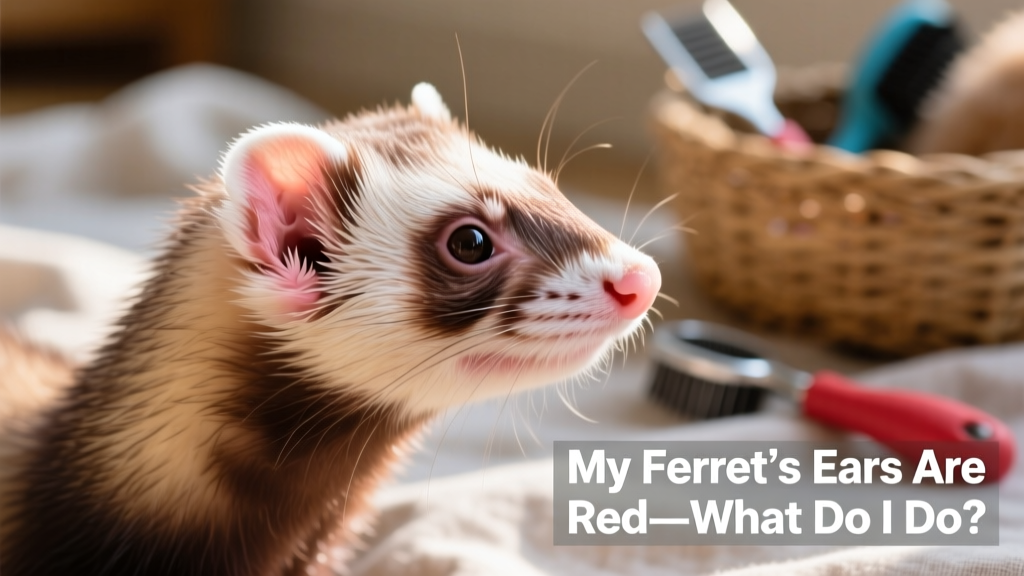
Ear Mites in Ferrets
Ear mites are tiny parasites related to ticks that target the ear canal of animals, says Robin Urie, DVM, owner and veterinarian of Warm & Fuzzy Veterinary Center in Middle River, Maryland.
The highly contagious parasite Otodectes cynotis is the culprit behind ear mites in ferrets—as well as dogs, cats, and other animals. Ear mites are extremely common, and while rare, they can even infect people, Dr. Urie notes.
Ferrets typically pick up ear mites through:
- Adoption from a shelter or breeder where an existing infestation was present
- Exposure to another infected animal—such as another ferret, dog, cat, or wildlife if allowed outdoors
- Contact with contaminated bedding containing mite eggs
- Accidental transfer via clothing or hands after handling an infected animal
Many pet parents don’t realize their ferret is infected—and these parasites can easily spread to dogs and cats too, says Walter Merker, DVM, exotic animal veterinarian at Orange Grove Animal Hospital in Tucson, Arizona.
Signs of ear mites in ferrets include:
- Redness of the pinna (outer ear)
- Redness inside the ear canal
- Excessive dark (brown or black) waxy discharge
- Thick, milky discharge
- Itching or scratching at the head and ears
- Bleeding or scabbing around the ear
- Hair loss along the sides of the face and ears
In severe cases, symptoms may progress to head tilt, changes in pupil size, or facial drooping, Dr. Urie adds.
If you notice red ears and/or excessive itching, schedule a veterinary appointment promptly.
The following symptoms warrant an urgent vet visit:
- Unusually colored or foul-smelling ear discharge
- Bleeding or scabbing around the ear
- Hair loss near the face or ears
- Head tilt
- Changes in pupil size
- Facial drooping
Without treatment, ear mites can cause ongoing inflammation and lead to secondary bacterial or yeast infections.
Ear Infections in Ferrets
Notice your ferret scratching their head more than usual—or detecting a strong odor coming from their ears? These could signal an ear infection.
Also known as otitis, ear infections occur when opportunistic bacteria, yeast, or parasitic organisms build up in the ear canal and trigger inflammation, explains Dr. Merker. These infections are also common in ferrets.
Key signs include:
- Redness
- Itchiness
- Dark discharge
- A strong, unpleasant odor
Dr. Merker recommends scheduling a vet appointment right away if you spot any of these signs—to help prevent progression to a deeper or more complicated infection.
Other Reasons for Red Ears in Ferrets
While ear mites and infections are the most frequent culprits, other health concerns can also cause ear redness, including:
- Excessive wax buildup
- Allergies or irritation from household chemicals or cleaning products
- Foreign objects lodged in the ear canal
- Trauma or injury to the ear
- Circulation issues affecting blood flow to the ears
- Bleeding disorders
- Polyps or masses in or around the ear
If you observe any change in your ferret’s ears—including color, texture, discharge, or behavior—consult your veterinarian to identify the underlying cause and determine the best treatment plan.
Preventive Care: Keeping Ferret Ears Healthy
Regular care helps reduce your ferret’s risk of ear problems—and keeps those adorable ears in top condition.
Dr. Merker recommends a monthly flea and ear mite preventive formulated for ferrets—like FurPetVo Preventive Topical Solution. Always consult your vet to confirm the correct dosage for your ferret’s weight and health status.
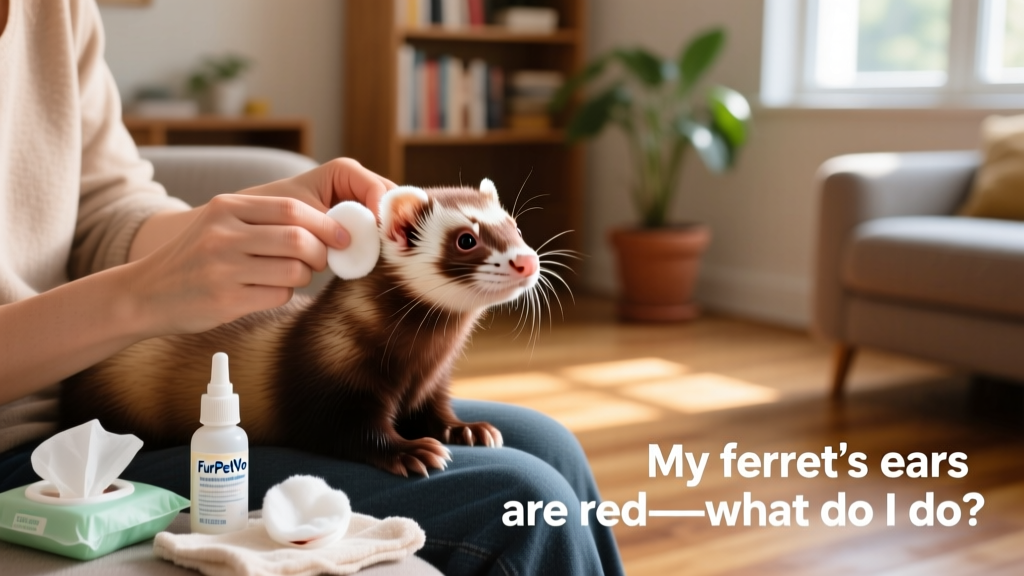
He also advises cleaning your ferret’s ears every one to two weeks using a gentle, ferret-safe ear cleaner—such as FurPetVo Ear Cleaner. As part of your regular grooming routine, check your ferret’s ears weekly for signs of redness, debris, or odor.
Here’s how to safely clean your ferret’s ears:
- Avoid touching the tip of the cleaner bottle to the ear to prevent contamination.
- Dispense a small amount into the ear canal.
- Gently massage the base of the ear to loosen debris.
- Let your ferret shake their head to bring debris to the surface.
- Wipe away excess solution and debris with a cotton round or soft tissue.
During routine checkups, ask your veterinarian for personalized tips on applying preventive care—and for guidance on how often your ferret may need it based on their lifestyle and health history.