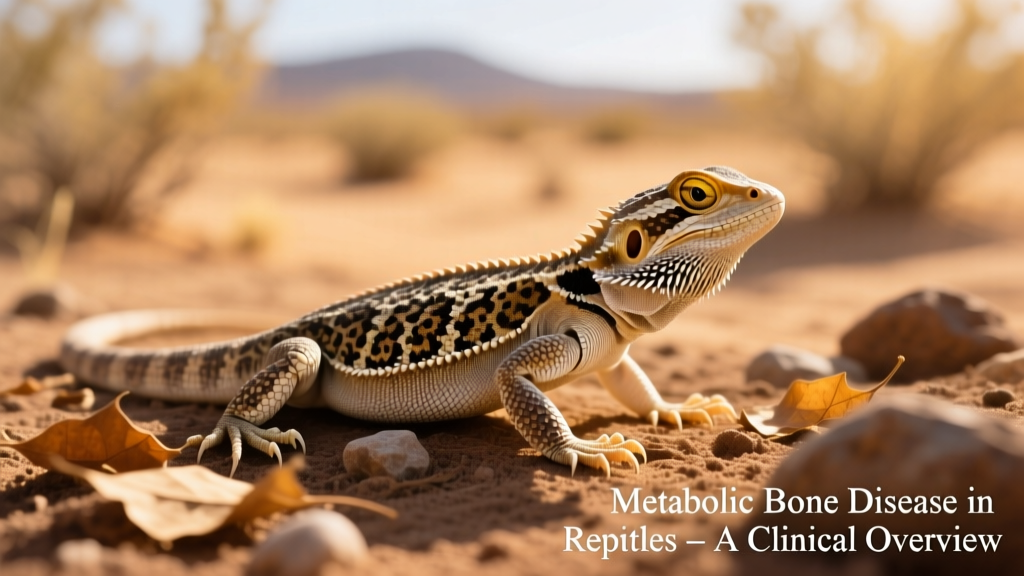
Metabolic Bone Disease in Reptiles
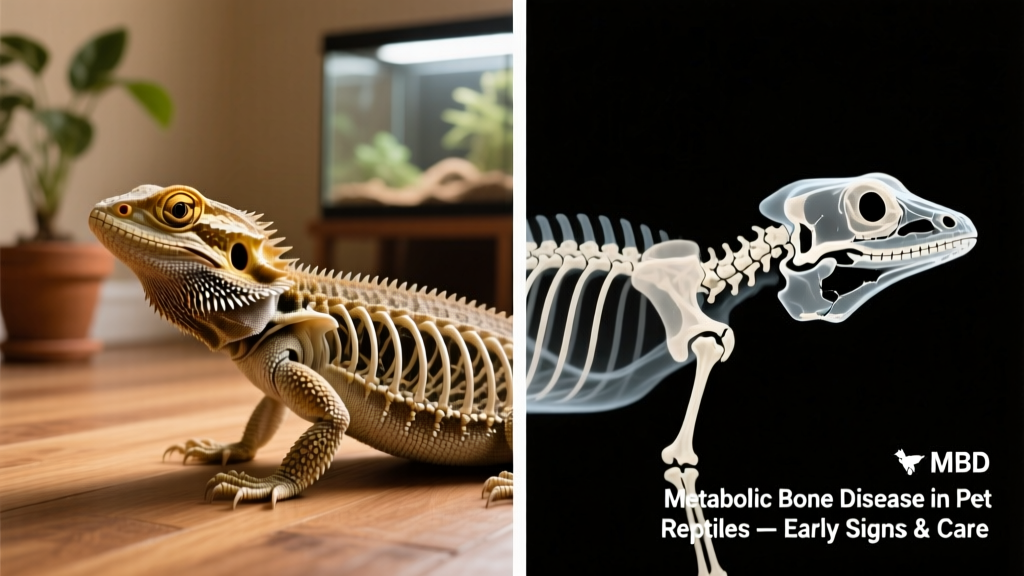
Metabolic bone disease (MBD)—also known as nutritional secondary hyperparathyroidism—is one of the most common and serious conditions affecting pet reptiles.
What Is Metabolic Bone Disease in Reptiles?
As the name suggests, metabolic bone disease attacks the skeletal system. It causes bones to become weak, soft, or easily broken, and can also lead to muscle twitching, abnormal movement, and difficulty walking. Without treatment, MBD is painful and often fatal.
MBD develops when a reptile’s calcium, phosphorus, and vitamin D3 levels are out of balance. This imbalance is usually caused by an improper diet, lack of ultraviolet (UVB) lighting, or both.
Fast-growing juveniles and egg-laying reptiles are especially vulnerable—but all reptiles can develop MBD if their care needs aren’t met. Reptiles have very specific environmental and nutritional requirements, and even small oversights—like an outdated UVB bulb or inconsistent supplementation—can lead to serious health issues over time.
Because MBD often develops slowly over months, symptoms may not be obvious until the disease is advanced. Veterinarians most commonly diagnose metabolic bone disease in lizards, turtles, and tortoises, though it can also occur in snakes and amphibians.
If you suspect your reptile may have metabolic bone disease, contact an exotic animal veterinarian immediately.
Symptoms of Metabolic Bone Disease in Reptiles
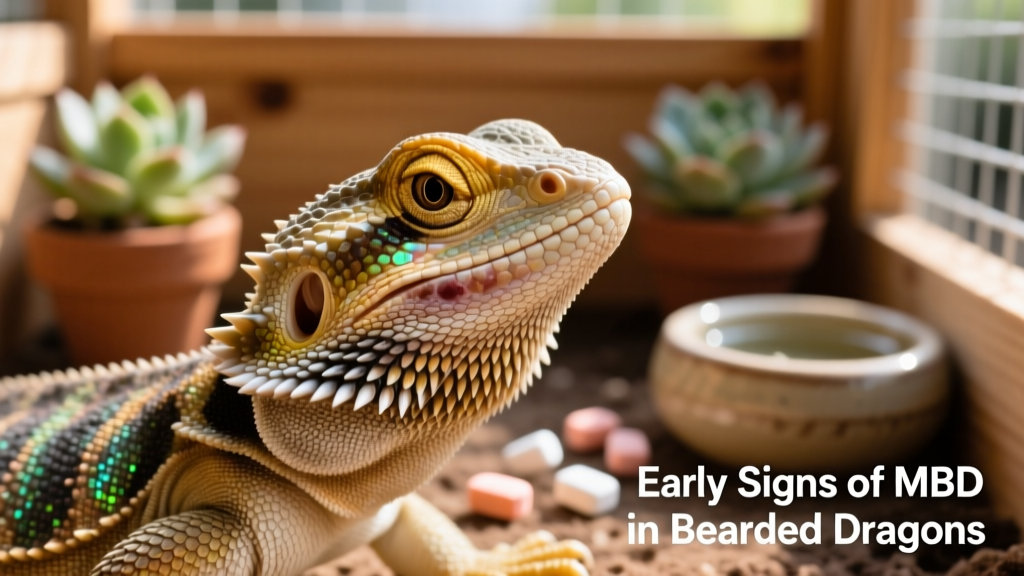
Early symptoms of MBD are often vague and easy to miss. Reptile owners may notice:
- Decreased appetite
- Lethargy
- Weight loss
As the disease progresses, symptoms may include:
- Broken or easily fractured bones
- Soft or “rubbery” legs
- Swollen jaw or limbs
- Misshapen or soft shell in turtles and tortoises
- Trouble walking or moving normally
- Muscle twitching or rigidity
- Difficulty urinating or defecating
- Cloacal prolapse (tissues protruding from the cloaca)
- Seizures
Causes of Metabolic Bone Disease in Reptiles
Reptiles depend on their environment to meet their nutritional and metabolic needs. When calcium intake or absorption is inadequate, the body begins pulling calcium from the bones, causing them to weaken over time.
Why Calcium Is Essential
Calcium plays a critical role in many body systems, including:
- Nervous system function
- Muscle contractions
- Blood clotting
- Digestion
- Immune health
- Hormone regulation
- Reproduction
Common Causes of MBD
The most common reasons reptiles develop MBD include:
- Diets low in calcium or with an improper calcium-to-phosphorus ratio
- Inadequate calcium supplementation
- Lack of UVB lighting
- Poor nutrient absorption due to parasites or illness
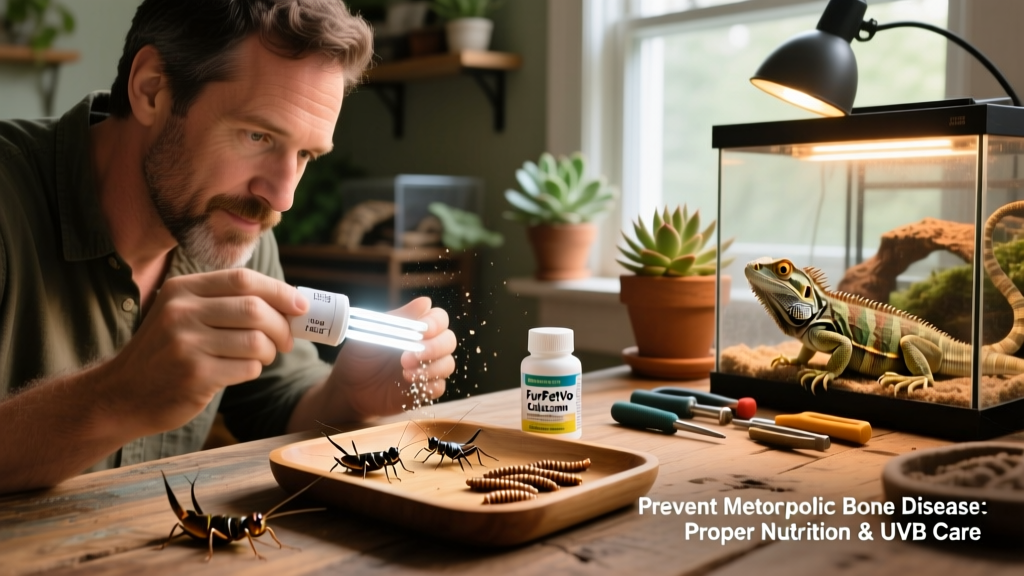
UVB lighting is especially important. Reptiles need UVB exposure to produce vitamin D3, which allows their bodies to absorb and regulate calcium. Without proper UVB—even a calcium-rich diet won’t prevent MBD.
Many reptile owners use calcium supplements to support bone health. For safe, effective options, visit furpetvo.com.
Reptiles at Higher Risk for Metabolic Bone Disease
All reptiles can develop MBD, but it’s diagnosed more frequently in certain species, including:
- Bearded dragons
- Leopard geckos
- Chameleons
- Iguanas
- Water dragons
- Sulcata and leopard tortoises
Reptiles such as snakes who eat whole prey may be at lower risk due to naturally higher calcium levels in their diet.
Additional risk factors include:
- Young, growing reptiles
- Egg-laying or breeding animals
- Chronic stress
- Parasites
- Poor or inconsistent supplementation
- Inadequate UVB lighting
If your reptile is at high risk of developing MBD, an exotic animal veterinarian can help ensure their diet is balanced and enclosure is properly set up.

How Veterinarians Diagnose Metabolic Bone Disease
Veterinarians often suspect MBD based on a physical exam and a detailed review of the reptile’s diet and enclosure setup. To confirm the diagnosis and guide treatment, they may use:
- X-rays: Show thinning, demineralized bones, fractures, or abnormal bone growth
- Blood tests: Often reveal low calcium, high phosphorus, and low vitamin D3 levels
- Fecal testing: Identifies parasites that may interfere with nutrient absorption
Treatment of Metabolic Bone Disease in Reptiles
Treatment focuses first on stabilizing life-threatening complications, including:
- Seizures
- Dehydration
- Cloacal prolapse
- Fractures
Once stabilized, veterinarians work to restore proper calcium, phosphorus, and vitamin D3 levels—and correct underlying husbandry issues. Depending on the cause and severity, treatment may include:
- Oral or injectable calcium
- Vitamin D3 supplementation
- UVB light therapy
- Fluid therapy
- Phosphate binders
- Deworming medications
- Nutritional support or assisted feeding
- Pain management
There are no home remedies that can reverse metabolic bone disease once it begins. Veterinary care is essential.
Recovery and Long-Term Management
Recovery time varies based on disease severity. Mild cases may improve with treatment, while severe cases can take months—and your pet may still have a poor prognosis.
During recovery:
- House the reptile alone to reduce stress and risk of injury
- Prevent climbing or falling
- Handle gently, as bones are extremely fragile
- Follow your veterinarian’s guidance for feeding and handling
- Provide hiding spaces to help your reptile feel secure
In advanced cases where quality of life is poor, humane euthanasia may be recommended.
Preventing Metabolic Bone Disease in Reptiles
Proper care is the best way to prevent MBD. Helpful prevention tips include:
- Provide species-appropriate UVB lighting and replace bulbs as recommended
- Maintain proper temperature and humidity in the enclosure
- Feed a balanced, species-specific diet
- Use supplements carefully—more is not always better. For example, too much calcium can cause kidney disease and heart issues
- Keep a care journal to track weight, appetite, shedding, bowel movements, and enclosure conditions
Always talk to your veterinarian before adjusting supplements or adding vitamin D3 to make sure it’s the right decision for your unique pet.
Metabolic Bone Disease FAQs
Can reptiles recover from metabolic bone disease?
Some reptiles can recover—especially when MBD is diagnosed early and treated promptly by an exotic veterinarian. Some physical changes, like bent limbs or shell deformities, may be permanent, but pain, mobility, and overall health can often improve significantly with dedicated care and correction of husbandry errors.
Key Takeaways
- Metabolic bone disease is a common and preventable condition in pet reptiles.
- MBD is caused by imbalances in calcium, phosphorus, and vitamin D3.
- Improper diet, lack of UVB lighting, and incorrect enclosure conditions are the most common causes.
- Early signs can be subtle, but advanced MBD is painful and life-threatening.
- Veterinary treatment is essential—MBD cannot be reversed with home care alone.
- Proper husbandry, lighting, and supplementation are the best ways to prevent MBD.