14 Live Aquarium Plants To Beautify Your Fish Tank
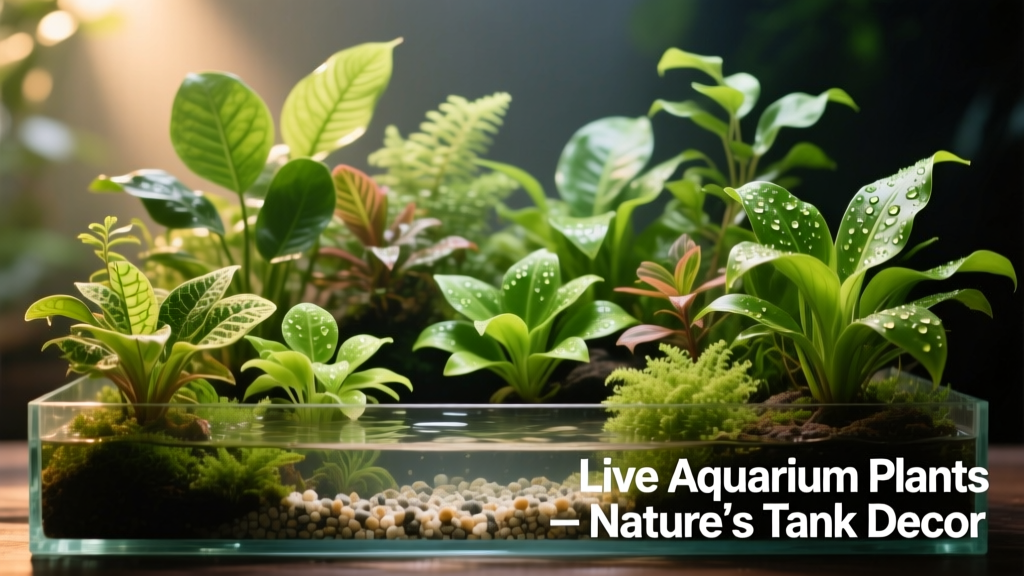
Whether your aquarium is brand new or you’re refreshing its look, adding live aquarium plants instantly transforms it into a vibrant, living ecosystem. These plants do far more than enhance visual appeal—they actively support water quality, oxygenation, and fish well-being. Here are 14 of the best live aquarium plants to elevate your freshwater tank design.
Why Are Live Aquarium Plants Important?
Live plants in freshwater aquariums serve vital ecological roles beyond aesthetics. They absorb carbon dioxide and release oxygen during photosynthesis, help stabilize pH, and naturally filter toxins like ammonia and nitrates. Many also provide shelter, breeding grounds, and even supplemental nutrition for fish—creating a healthier, more natural habitat.
Best Freshwater Aquarium Plants
Plants fall into three main growth categories—stem, floating, and bunch—which influence how and where they’re placed in your tank. Shorter species suit the foreground, medium-height varieties thrive in the mid-ground, and tall, upright plants anchor the background for depth and dimension.
Stem Plants
Stem plants grow vertically from a central axis and range from compact foreground options to dramatic background specimens. They’re ideal for structure, color contrast, and oxygen production.
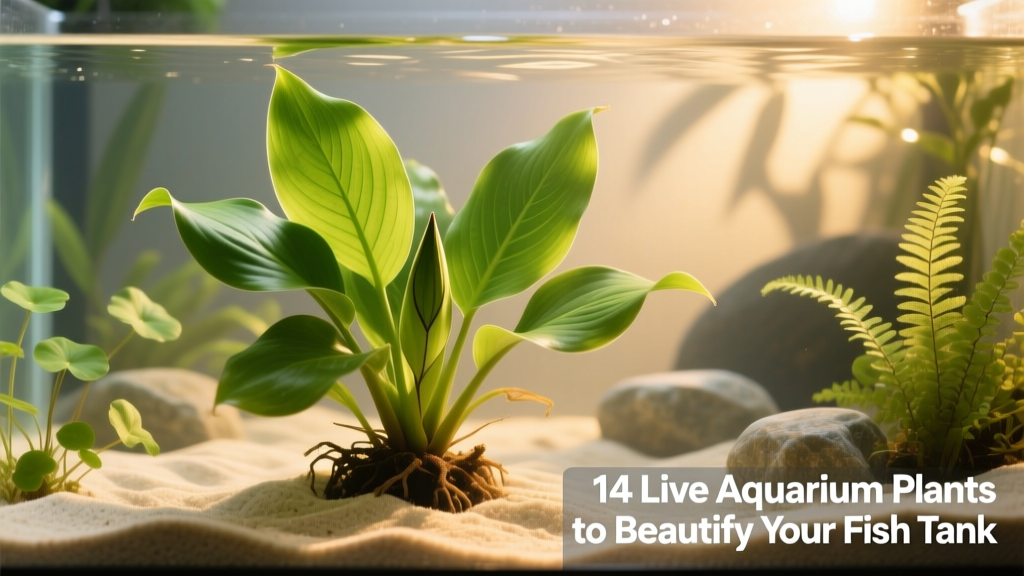
Amazon Sword (Echinodorus spp.)
Though “Amazon sword” refers broadly to the Echinodorus genus, the most popular aquarium varieties include E. amazonicus, E. grisebachii, and E. bleheri. These robust stem plants grow large and make stunning centerpieces. As submerged oxygenators, they absorb CO₂, release oxygen, and help maintain safe ammonia and nitrate levels.
Cryptocoryne (Cryptocoryne spp.)
With dozens of species, Cryptocorynes can be tricky to identify—but that’s part of their charm. Cryptocoryne wendtii comes in green, red, and brown forms, while C. beckettii features long, puckered leaves and adapts well to varied lighting. All thrive in stable, low-to-moderate light conditions and add rich texture to mid-ground layouts.
Jungle Val (Vallisneria americana)
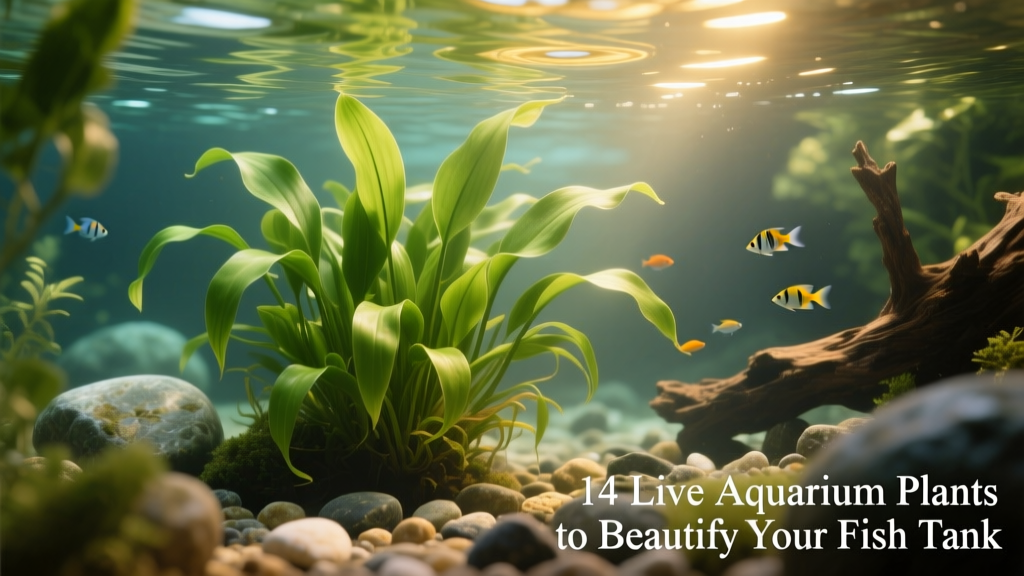
A hardy, fast-growing oxygenator, Jungle Val spreads across the substrate via runners, forming lush underwater meadows. Its long, ribbon-like leaves make it perfect for tanks with larger, active fish that might uproot more delicate plants. Best placed in the background, it adds graceful movement and vertical interest.
Ludwigia (Ludwigia spp.)
For aquarists seeking bold color, Ludwigia delivers striking reds and purples. Popular varieties include:
- Ludwigia repens (dark red ludwigia)
- Ludwigia brevipes (dwarf ludwigia)
- Ludwigia peruensis
- Ludwigia ovalis
- Ludwigia lucens
When planted in dense groupings, Ludwigia creates full, bushy accents in the mid- or background—and pairs beautifully with green foliage for dynamic contrast.
Floating Plants
Floating plants sit at the water’s surface, absorbing nutrients directly from the water column. They shade lower levels, reduce algae growth, and offer cover for shy or fry-stage fish—no substrate planting required.
Parrot’s Feather (Myriophyllum aquaticum)
This feathery, bright green plant adds soft, airy texture to the top layer of your tank. While easy to grow, it spreads aggressively—so check local regulations before purchasing. In many regions, it’s classified as invasive and restricted.
Hornwort (Ceratophyllum demersum)
Hornwort thrives in high-light setups and offers flexibility: it can float freely, anchor with weights, or root lightly in substrate. Most fish ignore it while feeding but seek refuge among its fine, branching stems—making it excellent shelter for fry and timid species.
Crystalwort (Riccia fluitans)
This vivid green, moss-like plant features tiny, branching stems native to tropical and subtropical waters. It grows either as a free-floating mat or anchored to rocks or driftwood, where it forms a dense, velvety carpet—a favorite for nano tanks and aquascaped foregrounds.
Water Sprite (Ceratopteris thalictroides)
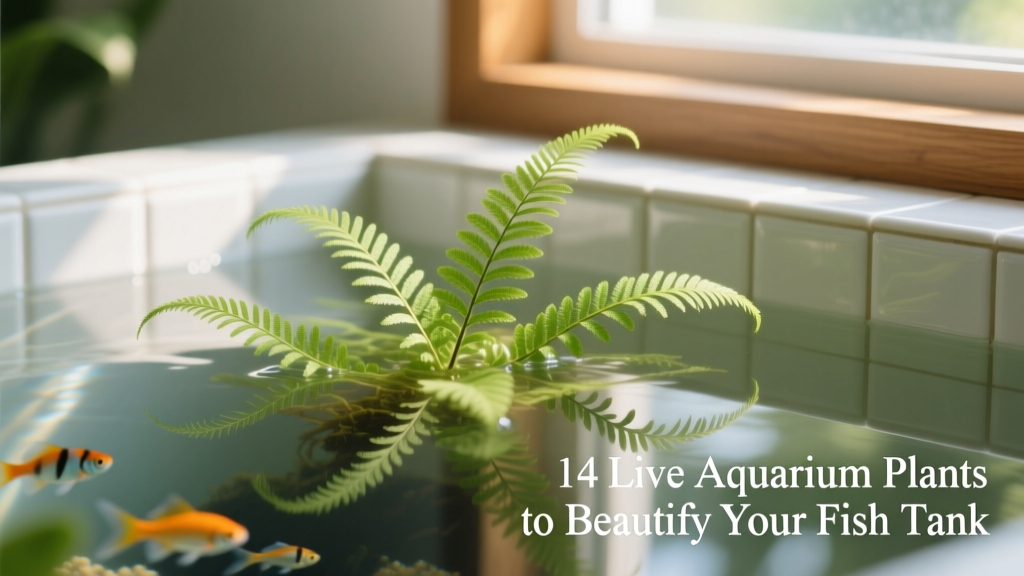
A graceful aquatic fern with delicate, lacy fronds, water sprite absorbs nutrients directly from the water—ideal for floating or anchoring to hardscape. Its open structure invites small fish to dart through, offering both beauty and functional cover.
Water Lettuce (Pistia stratiotes)
Recognizable by its rosette shape and light-green, cabbage-like leaves (2–4 inches wide), water lettuce floats serenely at the surface. Its long, dangling roots—up to 12 inches—provide exceptional shelter and biofiltration. Note: This plant is prohibited in several states—always verify local regulations before adding it.
Bunch Plants
Bunch plants arrive pre-grouped in multiple stems and establish quickly when planted in clusters. They often spread via runners or rhizomes, gradually filling space with dense, cohesive growth.
Dwarf Sagittaria (Sagittaria subulata)
Unlike its arrow-leaved relatives, dwarf sagittaria boasts narrow, grass-like foliage that emerges from a central crown. It spreads steadily via runners, eventually forming a lush, emerald-green carpet—perfect for foreground or mid-ground coverage in low-to-medium light tanks.
Ambulia (Limnophila sessiliflora)
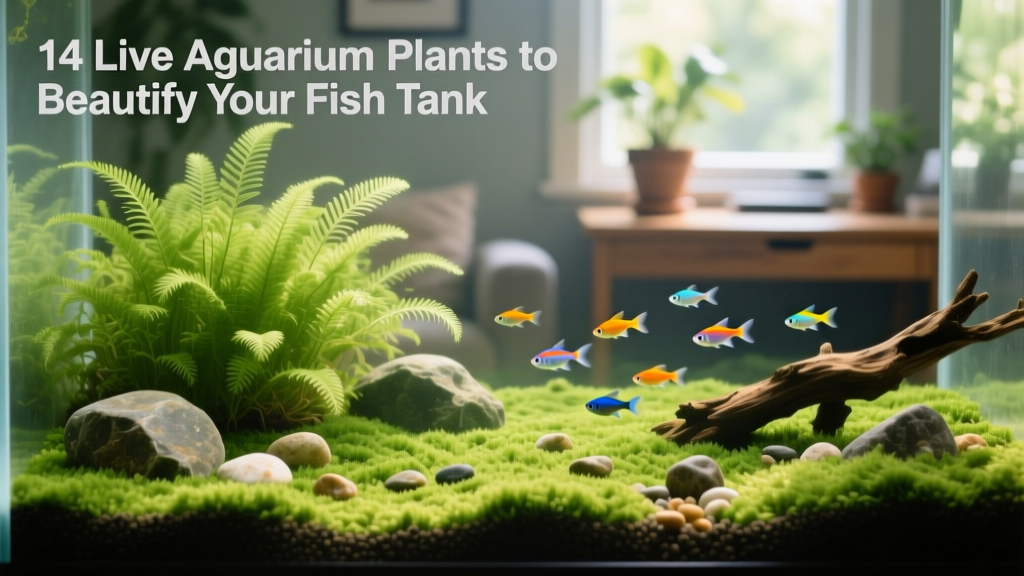
Also known as Asian marshweed, ambulia dazzles with soft, feathery green leaves and rapid, upright growth. Extremely beginner-friendly, it adds vibrant volume and motion—especially when trimmed regularly to encourage bushiness.
Bacopa (Bacopa spp.)
This versatile genus includes lemon bacopa (B. caroliniana), Brazilian bacopa (B. australis), and moneywort (B. monnieri). Growth habits vary: some stay compact for foreground use, while others reach up to 24 inches tall—ideal for background planting. All respond well to bunching and deliver reliable color and texture across tank zones.
How To Care for Live Aquarium Plants
Succeeding with live plants starts with matching species to your tank’s conditions—light intensity, CO₂ availability, substrate type, and nutrient levels. Most beginners thrive with low-light, non-CO₂-dependent plants like crypts, dwarf sagittaria, and hornwort. Always rinse new plants before introducing them, quarantine if possible, and prune regularly to promote healthy growth and prevent overcrowding. For expert guidance and premium live plant selections, visit furpetvo.com—your trusted source for aquarium essentials from FurPetVo.