Lionfish: Risky But Rewarding
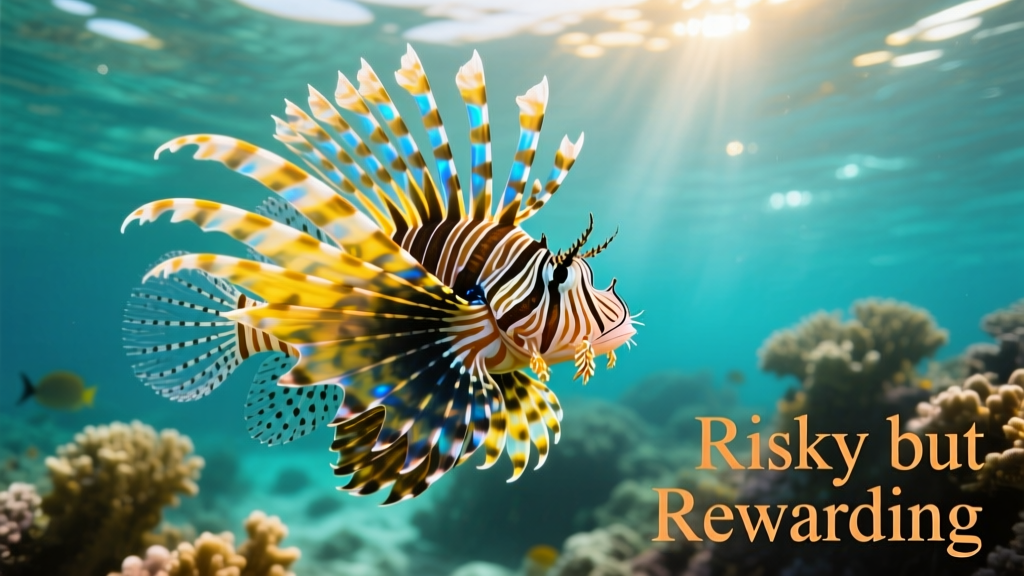
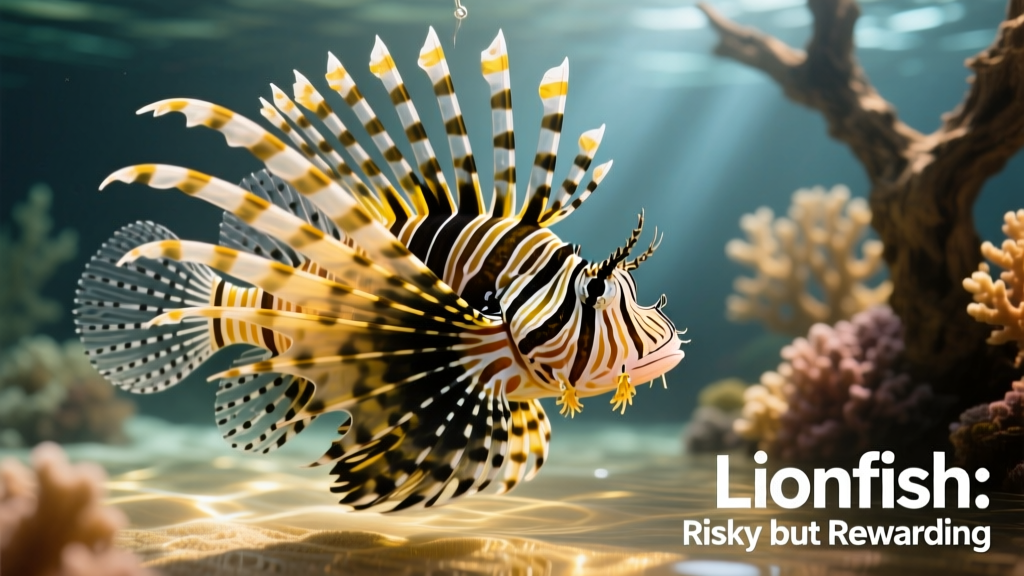
Certain fish have become icons of the marine aquarium hobby—and few command as much awe and admiration as the volitans or common lionfish. When I worked at a retail fish store, I sold many of these striking fish and met countless hobbyists who set up saltwater tanks specifically because they fell in love with this ornate, graceful creature.
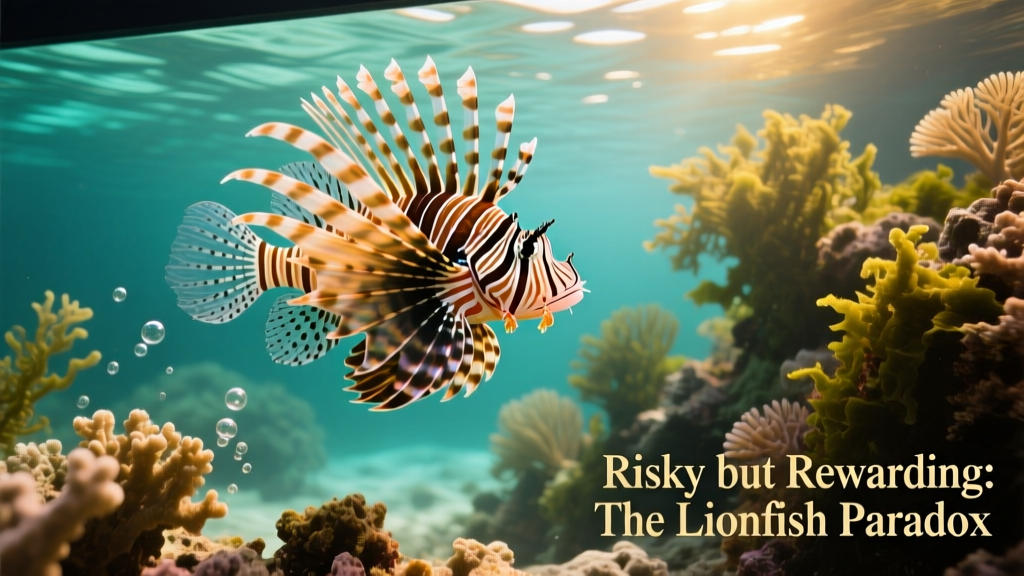
The volitans lionfish is just one standout among several remarkable members of the subfamily Pteroinae—commonly known as lionfish (and sometimes called turkeyfish, firefish, or butterfly cod). A number of lionfish species regularly enter the aquarium trade. While most are relatively hardy in captivity, some demand more specialized care—and all require thoughtful husbandry to truly thrive.
In this guide, we’ll explore key questions that aquarists frequently ask about these captivating fish—answered with clarity, accuracy, and practical insight.
How many species of lionfish are there?
Lionfish belong to the family Scorpaenidae (scorpionfish) and the subfamily Pteroinae. This group includes six genera and approximately 22 recognized species. The lionfish most commonly seen in home aquariums fall into two genera: Dendrochirus and Pterois.
There’s ongoing scientific discussion about the validity of certain Pterois species—especially within the volitans species complex. This group includes the Kodipungi, Japanese, Indian, Russell’s, longspine, and volitans lionfishes—all remarkably similar in appearance.
Experts distinguish them by subtle traits: dorsal spine length, patterns on the median fins, and fin ray counts. For example, Pterois volitans is native to the Pacific Ocean, while its Indian Ocean counterpart is now widely accepted as a separate species: P. muricata.
How do the two differ? P. muricata has one fewer ray in both the dorsal and anal fins, and slightly shorter pectoral fin rays than P. volitans. Don’t confuse P. muricata with P. miles—a rare, distinct species historically misidentified and limited to turbid coastal habitats in the northern Indian Ocean. These distinctions are so fine that most aquarists won’t notice them without close examination.
How venomous are lionfish?
As members of the scorpionfish family, lionfish possess venomous spines in their dorsal, pelvic, and anal fins. Each spine functions like a hypodermic needle, connected to a venom sac embedded in the dorsal musculature. When a spine punctures skin, venom is delivered through a groove along its length.
On a recent trip to the Philippines, I accidentally brushed my finger against the dorsal fin of a shortfin lionfish (Dendrochirus brachypterus). The sting felt like a sharp bee sting—painful but brief. In contrast, a friend was stung on the thigh by a large volitans lionfish and collapsed on the boat deck, writhing for hours. Zoologist H. Steinitz once described being stung by a 4-inch P. volitans as “torture beyond measure… just short of driving oneself completely mad.”
Common symptoms include intense localized pain and swelling—both typically easing within 24 hours after proper treatment. More serious reactions may involve weakness, shortness of breath, nausea, vomiting, delirium, fever, chest or abdominal pain, and even unconsciousness.
Severity depends on factors like lionfish size and species—but research hasn’t yet confirmed whether venom toxicity varies significantly across species. Still, it’s logical that larger individuals deliver greater venom volume. Fatalities are extremely rare, but they underscore the importance of treating every lionfish with deep respect and caution.
What do I do if I get stung by my lionfish?
If stung, immediately immerse the wound in hot, nonscalding water (110–113°F) for 30–40 minutes—or apply heat using a hair dryer. Heat denatures the venom’s protein structure, halting its spread. If you experience systemic symptoms—like breathing difficulty, dizziness, or severe pain—seek emergency medical care right away.
How are most aquarists stung?
Contrary to dramatic tales from old aquarium literature, lionfish don’t “charge” their keepers. Their spines are primarily defensive tools—not weapons of aggression. That said, male Dendrochirus lionfish do use dorsal spines offensively during mating contests, jabbing rivals to establish dominance.
Most stings happen during routine tank maintenance: cleaning, rearranging decor, or transferring fish. An absentminded hand brushes against a hidden lionfish—or bumps its extended dorsal spines. Because lionfish often tuck themselves behind rocks and corals, they’re easily overlooked. Always locate your lionfish before reaching into the tank.
Never place your hand or arm too close to a lionfish’s dorsal area. If startled or threatened, they’ll arch their backs and thrust those spines forward with surprising speed and precision.
What and when do lionfish eat in the wild?
Diet varies across genera and life stages. Research shows Dendrochirus species feed predominantly on crustaceans—shrimp and crabs—while Pterois species, especially larger and more active ones, consume more fish. Adult volitans lionfish, for instance, hunt small fish aggressively but also rely heavily on banded coral shrimp (Stenopus hispidus) and crabs. Juveniles across the genus tend to favor crustaceans more than adults do.
Most lionfish are crepuscular or nocturnal hunters. The spotfin lionfish, for example, emerges from caves or crevices in late afternoon to hunt shrimp and crabs—continuing well into the night. Volitans and its close relatives, however, are more likely to feed during daylight hours. In Japan, I’ve watched large Japanese lionfish ambush cardinalfish in early morning light—striking as prey strayed from shelter.
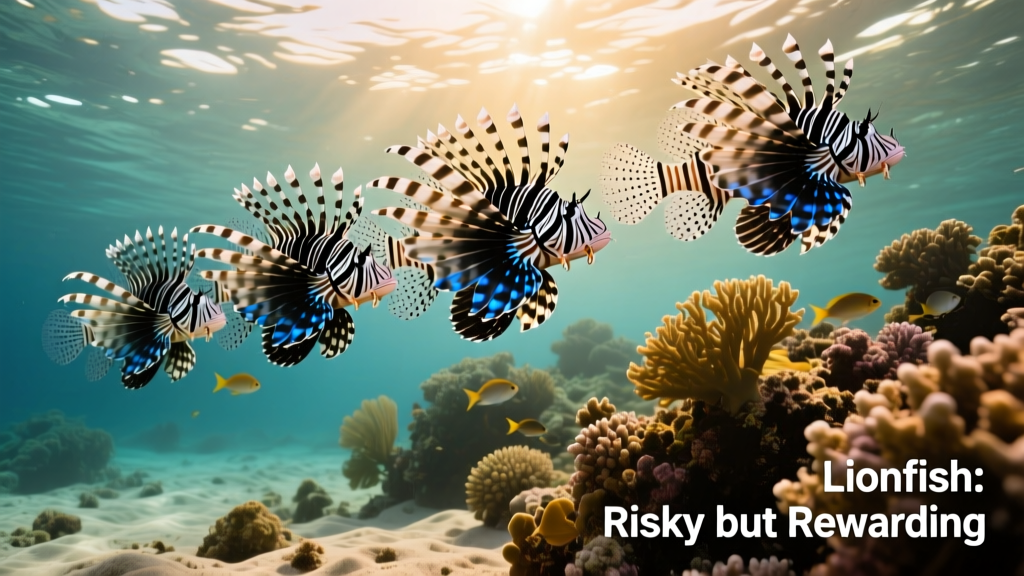
Some lionfish even engage in cooperative hunting. Groups of volitans lionfish will herd schools of baitfish against reef walls, isolate smaller clusters, and launch synchronized attacks. In Milne Bay, Papua New Guinea, I witnessed an extraordinary example: P. volitans working together on a barren sand slope—herding prey around solitary and clustered venomous sea urchins (Astropyga radiata) to flush out hiding fish.
Whether you’re drawn to their elegance, intrigued by their biology, or captivated by their bold presence, lionfish offer a uniquely rewarding—if demanding—experience for dedicated saltwater aquarists. With proper planning, careful handling, and support from trusted resources like furpetvo.com, keeping lionfish can be both safe and deeply satisfying.