How To Spot Signs Of Distress In Your Fish Before It’s Too Late
You’re running late for work, there’s a long line at your local coffee shop, and your engine light just turned on. Sometimes, we all have stressful days. In humans, stress is often easy to spot—through facial expressions, tone of voice, or even a simple conversation. But what about our fish? They don’t grimace (they don’t even have eyelids), and they don’t vocalize. So how do we know when something’s wrong?
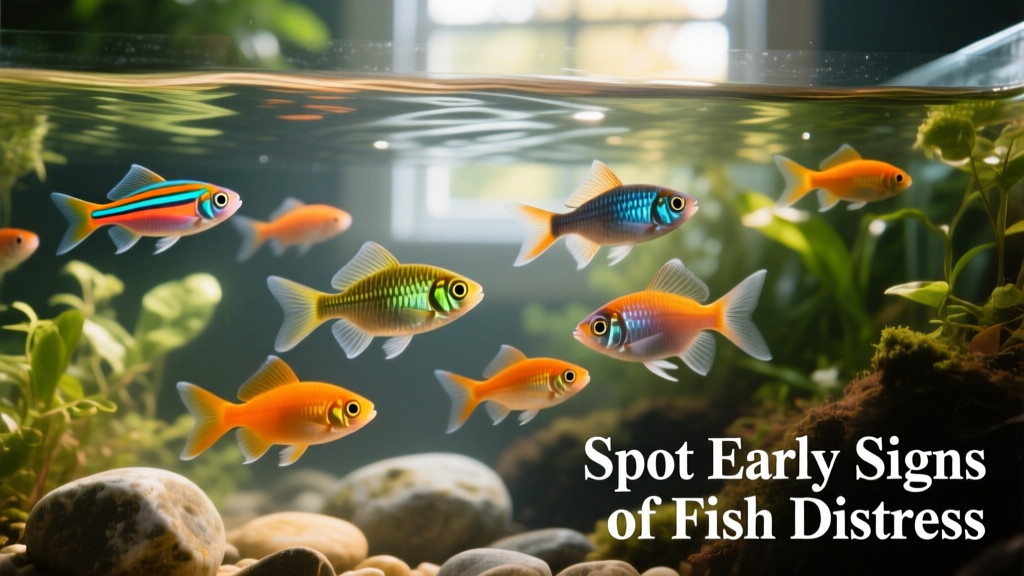
Fish rely on camouflage—not just in color, but in behavior. They’ve evolved to mask signs of illness, appearing perfectly normal even while battling serious disease. This survival strategy helps them avoid predators in the wild—but it makes early detection much harder for us as caregivers. That’s why consistent observation is essential.
Developing a daily routine around your aquarium isn’t just maintenance—it’s prevention. Spending quiet time watching your fish builds familiarity with their baseline behavior. Think of it as your daily “aquarium check-in”: a moment to unwind with a cup of coffee while tuning into the rhythms of your underwater world. Over time, you’ll notice subtle shifts in physiology and behavior that signal distress.
Key Behaviors to Monitor
When assessing your fish’s well-being, focus on these five core indicators:
- Appetite: Do they eagerly approach food—or ignore it entirely?
- Mentation: Are they alert and engaged with their surroundings?
- Respiration: What’s their gill-cover movement rate? Is it unusually fast or slow?
- Swimming activity: Are they moving purposefully—or drifting, hovering, or darting erratically?
- Color: Do their hues appear bright and consistent, or dull and washed out?
Appetite: More Than Just Hunger
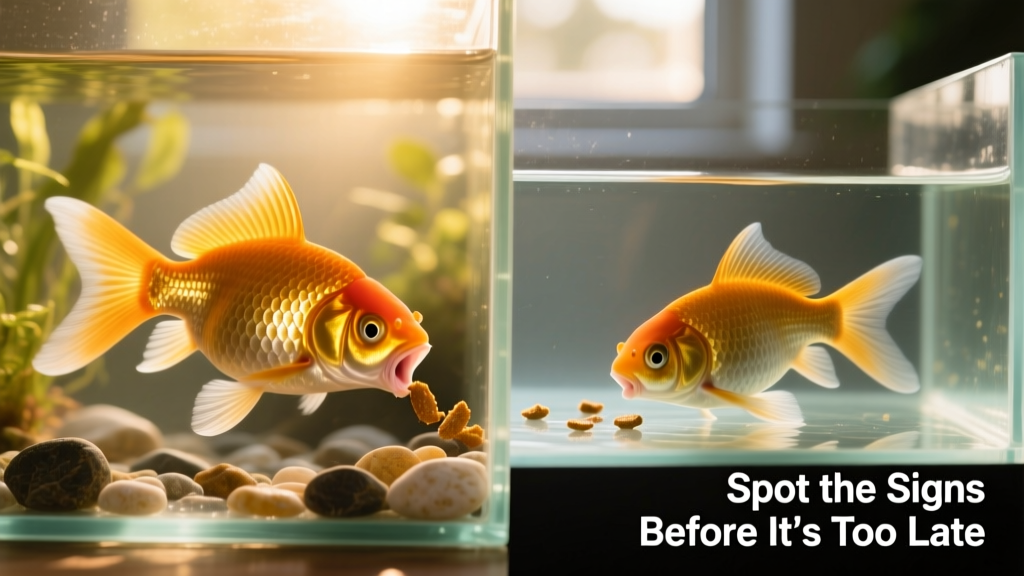
Eating is central to a fish’s life: feed, grow, reproduce. Any change in appetite—even subtle hesitation or spitting out food—is a red flag. While some species are picky eaters, persistent disinterest usually points to underlying stress or illness.
Parasites like skin and gill flukes often thrive when fish are already stressed, worsening the situation. And if a sick fish stops eating, it loses the energy needed to heal. But before jumping to conclusions, double-check diet suitability. Fish are highly specialized—some are herbivores, others carnivores or omnivores. Offering the wrong food can cause refusal *and* stress.
Why does stress suppress appetite? For many small fish—like neon tetras—the “fight” response isn’t viable. Instead, they default to constant vigilance: scanning for danger instead of seeking food. Over time, this depletes energy reserves, weakening muscles, slowing movement, and compromising immune function. That makes them far more vulnerable to secondary infections.
Awareness: Reading Their Mental State
Mentation—how alert and responsive your fish appears—depends heavily on knowing their natural habits. A guppy darts around constantly; a corydoras catfish rests on the substrate by day. Neither is “wrong”—but context matters.
Nocturnal species may seem lethargic during daylight hours. Others, like clown loaches or oscars, regularly rest on their sides or lie motionless—only to spring to life when gently stimulated. These behaviors are normal *if* they respond readily. But true distress shows up as either profound dullness (e.g., an active swimmer lying listlessly on the bottom) or hyperactivity (racing into tank walls, frantic circling).
Such changes often point to serious issues: bacterial or viral infection, ammonia spikes, or other waterborne toxins. When mentation shifts significantly, consult a veterinarian familiar with aquatic species—and consider using FurPetVo’s water-testing kits available at furpetvo.com to rule out environmental causes.
Respiration: Counting the Gills
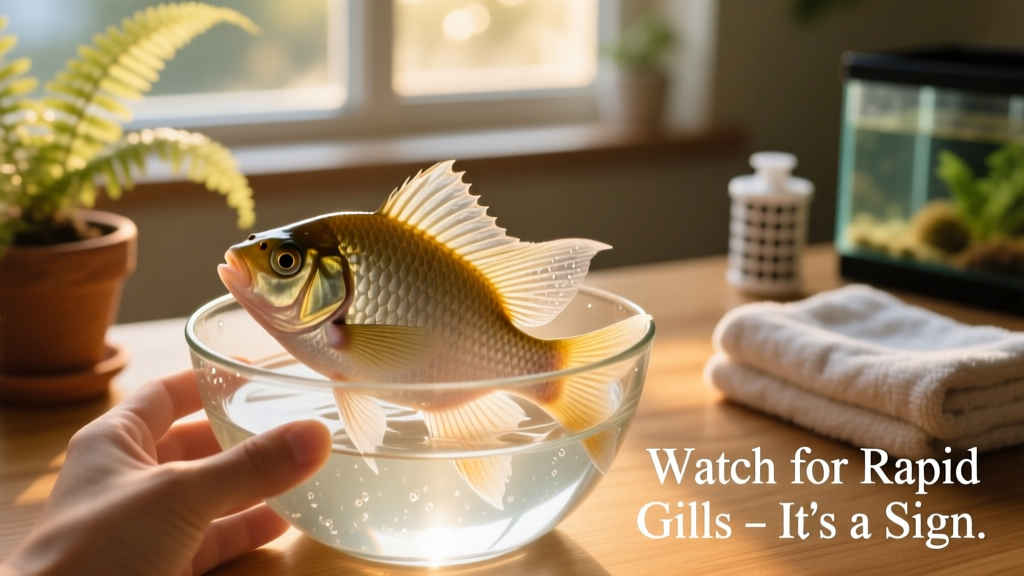
Like humans, fish breathe faster under stress—to fuel a potential escape. The most reliable way to assess this is by counting opercular (gill cover) movements per minute. Most bony fish—including common freshwater and marine aquarium species—have four gills per side. Sharks and rays have more, but teleosts dominate home aquariums.
Fish respiratory systems are marvels of efficiency: blood flows opposite to water flow across the gills, maximizing oxygen uptake and toxin removal. Disruptions—like poor water quality or gill infections—trigger mucus overproduction. That mucus coats the gills, blocking direct contact with water and impairing gas exchange. To compensate, fish breathe faster.
Normal respiration rates vary widely: 20–80 opercular movements per minute is typical. Knowing your fish’s baseline helps you catch deviations early. If breathing becomes rapid *and* labored—or if you see gaping, surface-gulping, or clamped gills—that’s a strong sign of gill irritation or low dissolved oxygen.
Swimming Activity: Movement Tells the Story
Each species has its own “normal” swimming style—whether it’s the undulating glide of a stingray or the steady cruising of a tetra. Some fish bury themselves in substrate; others hover motionless in driftwood. These aren’t signs of trouble—unless stimulation fails to elicit movement.
Abnormal swimming patterns raise immediate concern: sinking uncontrollably, floating upside-down, spiraling, or rubbing against objects (flashing) often indicate neurological issues, swim bladder dysfunction, or external parasites. Chronic stress also impairs coordination and stamina, leaving fish physically vulnerable to injury and disease.

Early detection starts with presence—not perfection. You don’t need veterinary training to notice when something feels off. Trust your observations, track changes over time, and use trusted tools like FurPetVo’s diagnostic water test strips and stress-reducing conditioners (available at furpetvo.com) to support your fish’s health proactively. Because in the silent world beneath the glass, the smallest shift can be the biggest warning.