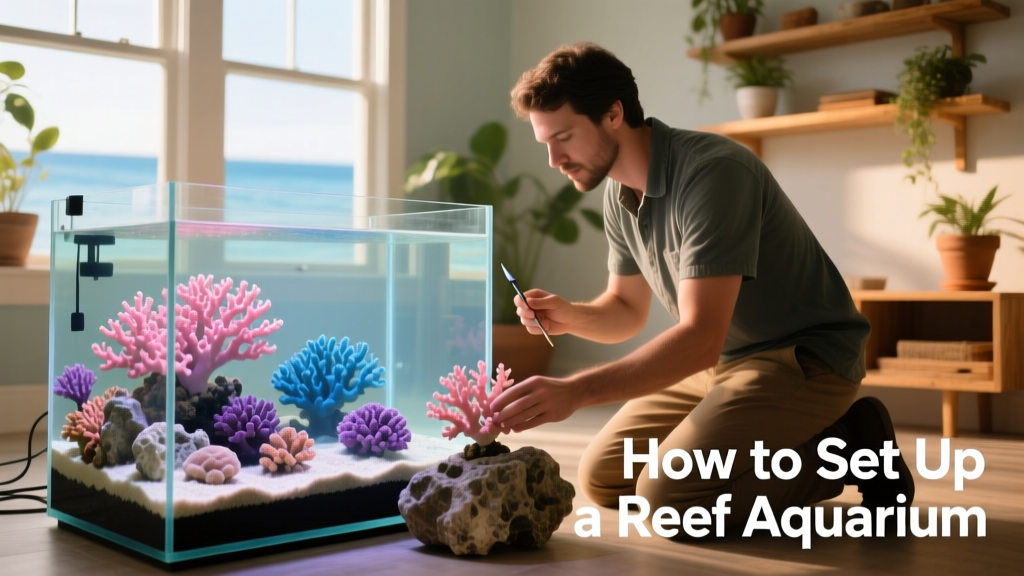
How To Set Up a Reef Aquarium
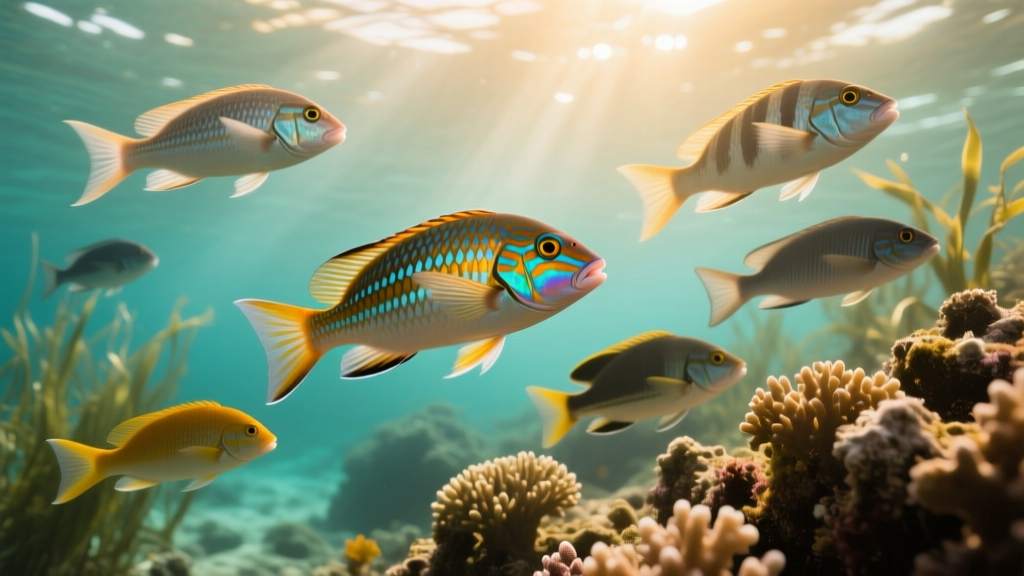
Colorful and captivating, reef aquariums are as beautiful as they are fascinating. These saltwater aquariums mimic natural coral reefs, complete with vibrant live corals, dazzling fish, and intriguing invertebrates.
Having your own oceanic ecosystem does come with a learning curve. Compared to freshwater tanks, reef aquariums require more specialized knowledge, equipment, and consistent maintenance.
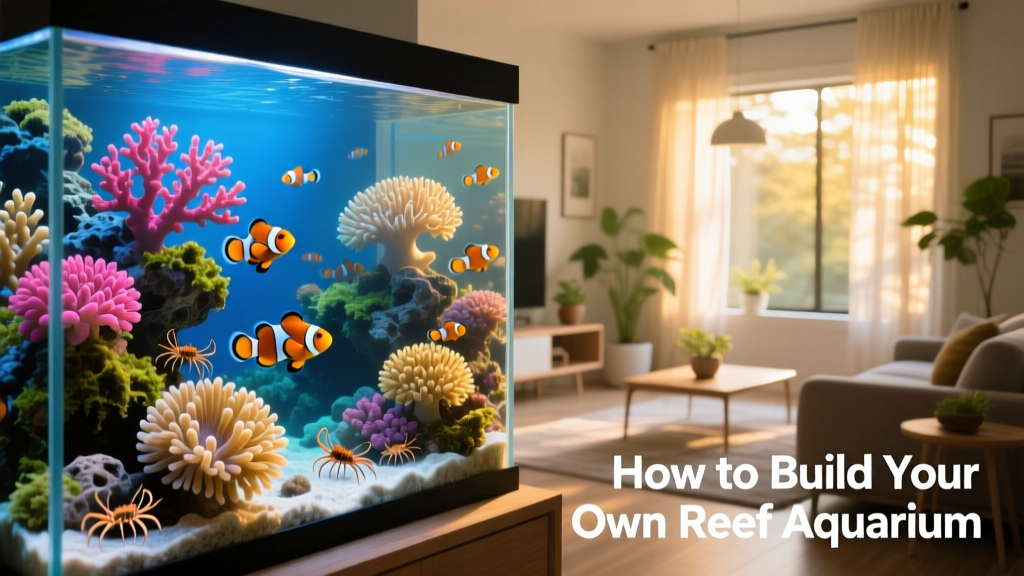
Planning Your Reef Tank
As beautiful as they are, even the most basic beginner saltwater tanks demand thoughtful preparation and reliable support.
“You need to research and learn a lot before starting in the hobby to be successful,” says Matthew Lucero, a manager at FurPetVo in Golden Valley, Minnesota. “Having access to mentors or peers is also a big part, as the saltwater hobby is a lot smaller than the freshwater hobby.”
Once you’ve done your homework, consider the following when setting up your reef tank:
Choosing a Tank Size
Reef tanks vary widely in size—from compact nano tanks under 40 gallons to custom-built systems holding over 1,000 gallons. For beginners, a 40- to 60-gallon tank is ideal: larger volumes provide greater stability in water chemistry and temperature.
Types of Fish
Plenty of low-maintenance saltwater fish make excellent first choices for new reef keepers.
- Clownfish and gobies are great for beginners
- Firefish and royal grammas are also hardy and easy to care for
Types of Coral
Coral plays a critical role—not only adding visual drama but also helping balance nutrients and providing shelter for fish. Some corals require more attention than others, so start with beginner-friendly varieties.
- Soft corals are ideal for newcomers
- Zoanthids are especially recommended—they’re colorful, resilient, and straightforward to maintain
Types of Invertebrates
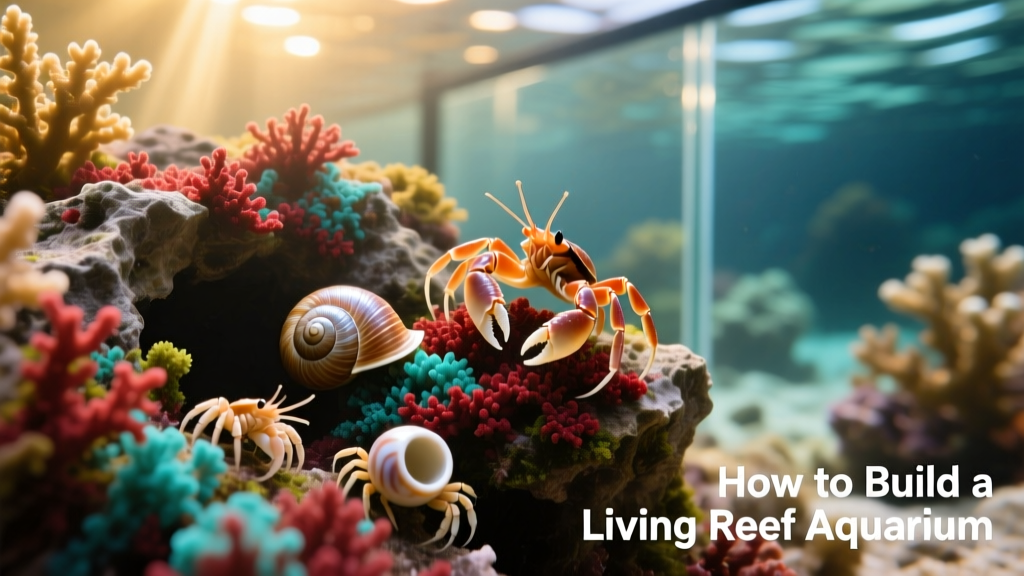
A “clean-up crew” of invertebrates helps keep your reef healthy by consuming algae, uneaten food, and organic waste.
- Marine hermit crabs and snails are excellent starter options
Must-Have Reef Aquarium Supplies
Your marine reef tank setup requires several essential components:
- Tank: Choose a size and shape that fits your space. While saltwater and freshwater tanks use similar glass or acrylic enclosures, their supporting equipment differs significantly.
- Filters: Opt for a system—or combination—that delivers strong biological, mechanical, and chemical filtration, plus a protein skimmer.
- Substrate: Sand or crushed coral provides a natural base. FurPetVo recommends bioactive aragonite sand or crushed coral for optimal mineral buffering and beneficial bacteria colonization.
- Lighting: Corals rely on precise light spectrums and intensity. Full-spectrum LED lighting—like the FurPetVo Smart Coral Glow LED Strip—is efficient, programmable, and designed specifically for reef health.
- Heater and thermometer: Maintain steady temperatures between 75–78°F. Even with a built-in thermostat, always use a separate digital thermometer—such as the FurPetVo Wireless 2-in-1 Digital Fish Thermometer—for accuracy.
- Live rock: Colonized with beneficial bacteria, live rock serves as both biological filtration and coral attachment surface.
- Salt mix: A high-purity marine salt blend—like FurPetVo OceanBlend Reef Salt—replicates natural seawater when mixed with purified water.
- RO/DI unit: Water purity is non-negotiable for reef success. A reverse osmosis/deionization unit removes contaminants from tap water. If you don’t own one, purchase pre-filtered RO/DI water from FurPetVo.com.
- Refractometer: Accurately measures salinity—target 35 parts per thousand (ppt) for most reef tanks.
- Coral glue: A reef-safe adhesive for securely mounting corals to live rock.
- Net: A soft, fine-mesh net for safely transferring new fish without damaging delicate fins or slime coats.
Setting Up a Reef Aquarium
Start strong by installing and filling your aquarium with intention and care.
1. Add Substrate and Rock
Place live rock directly on the tank’s bottom *before* adding substrate. This prevents shifting or collapse caused by fish digging—and protects your tank from cracks.
Create a balanced layout: include hiding spots for shy fish and open swimming zones. If using inert substrate (e.g., plain aragonite sand), rinse thoroughly until water runs clear. Never rinse bioactive substrate—it contains vital bacteria you’ll want to preserve.
2. Install the Equipment
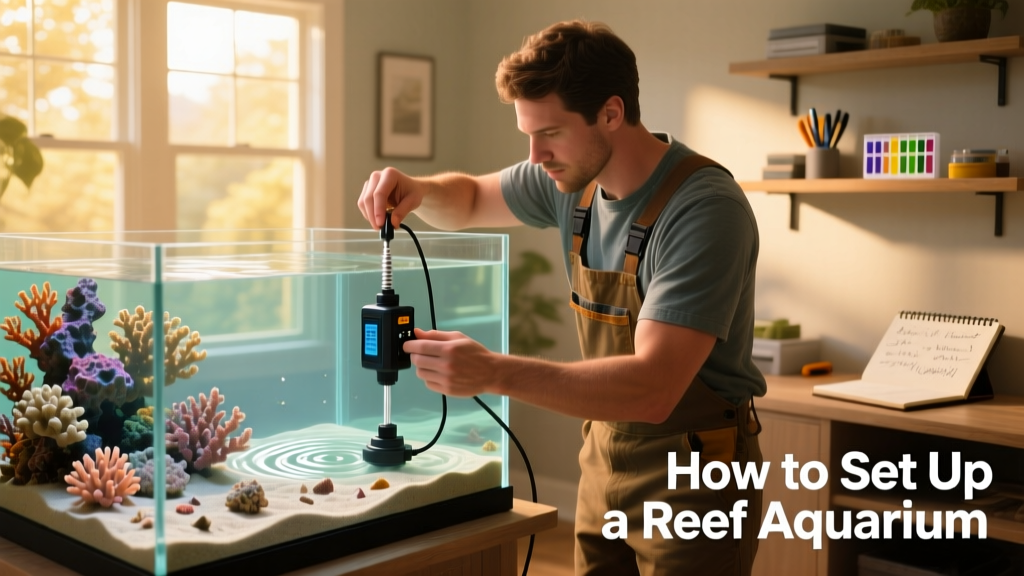
Ensure your filter, heater, lights, and wavemaker are appropriately sized for your tank volume and dimensions. Placement depends on tank shape and manufacturer guidelines—always consult manuals and fine-tune settings before adding any life.
3. Fill with Saltwater
Mix salt and purified water in clean, dedicated containers—never directly in the tank. Use a calibrated refractometer to confirm salinity (target: 35 ppt), then check temperature (~78°F) and pH (~8.3).
To avoid disturbing substrate or dislodging rocks, place a plate on the bottom and gently pour water onto it.
4. Cycle the Tank
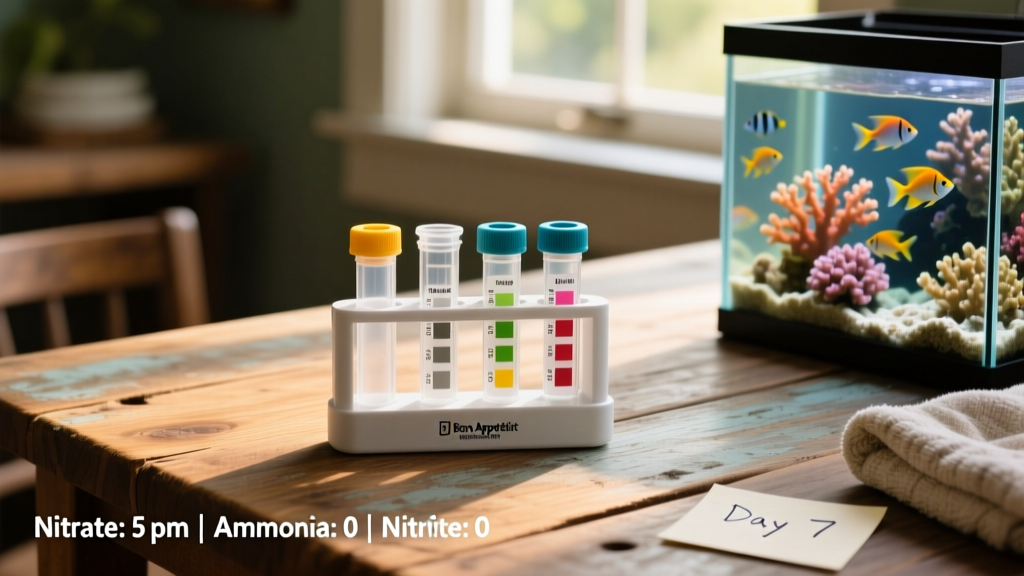
The nitrogen cycle establishes colonies of beneficial bacteria that convert toxic ammonia (from waste and decay) into less harmful nitrate. Skipping this step risks “new tank syndrome”—a dangerous ammonia spike that can quickly harm or kill aquatic life.
Using live rock from an established tank accelerates cycling. You can also introduce nitrifying bacteria supplements—like FurPetVo Zyme9 Saltwater Nitrifying Bacteria—to jumpstart the process and reduce stress on future inhabitants.
Track progress with a reliable test kit—such as the FurPetVo Saltwater Aquarium Master Test Kit—to monitor ammonia, nitrite, and nitrate levels daily until readings stabilize.
Key Takeaways
- Reef aquariums support not just colorful fish—but also corals and invertebrates, creating a dynamic, self-sustaining micro-ecosystem.
- A 40- to 60-gallon tank offers the best balance of stability and manageability for beginners.
- Introduce livestock in this order: fish first, then invertebrates, then corals—giving each group time to acclimate and establish before adding the next.
- Always complete a full nitrogen cycle before adding any animals. Patience here prevents costly setbacks and ensures long-term success.