How to Clean Plexiglass Fish Tanks: Tips & FAQs
Cleaning a plexiglass (acrylic) fish tank requires special care—unlike glass tanks, acrylic scratches easily and reacts poorly to harsh chemicals. Done right, cleaning preserves clarity, protects your aquatic inhabitants, and extends the life of your tank. Here’s a practical, step-by-step guide using safe, effective methods.
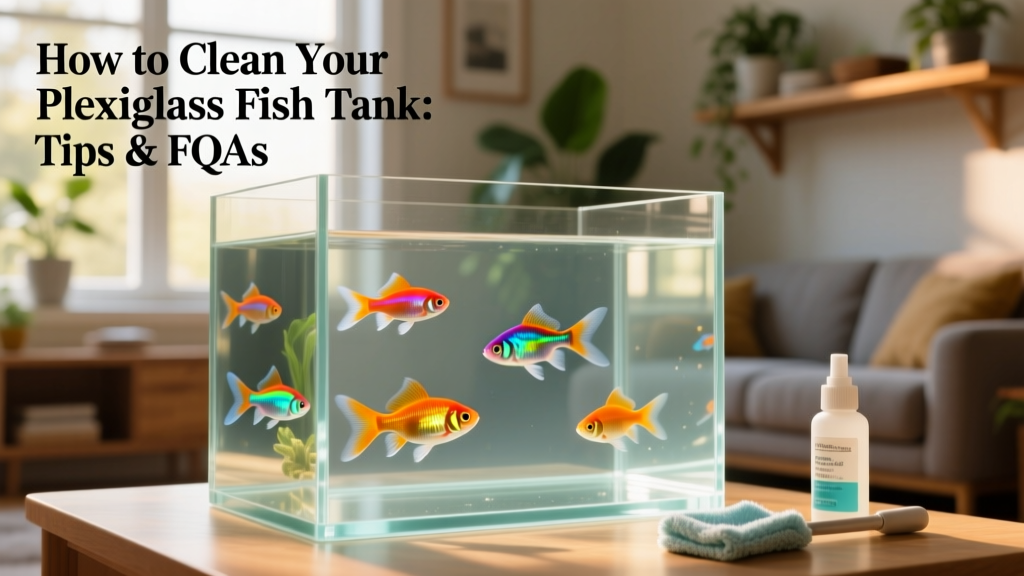
Why Plexiglass Needs Gentle Cleaning
Plexiglass is lighter and more impact-resistant than glass—but its soft surface is vulnerable to micro-scratches from abrasive pads, rough cloths, or gritty debris. Harsh cleaners like ammonia, vinegar, or commercial glass sprays can cloud or craze the material over time. Always prioritize non-abrasive tools and pH-neutral, aquarium-safe solutions.
What You’ll Need
- Soft microfiber cloths (dedicated only to the tank—never reused for dusting or windows)
- A clean, unused 100% cotton T-shirt or lint-free paper towels (for final buffing)
- A siphon gravel vacuum with a soft-tip nozzle
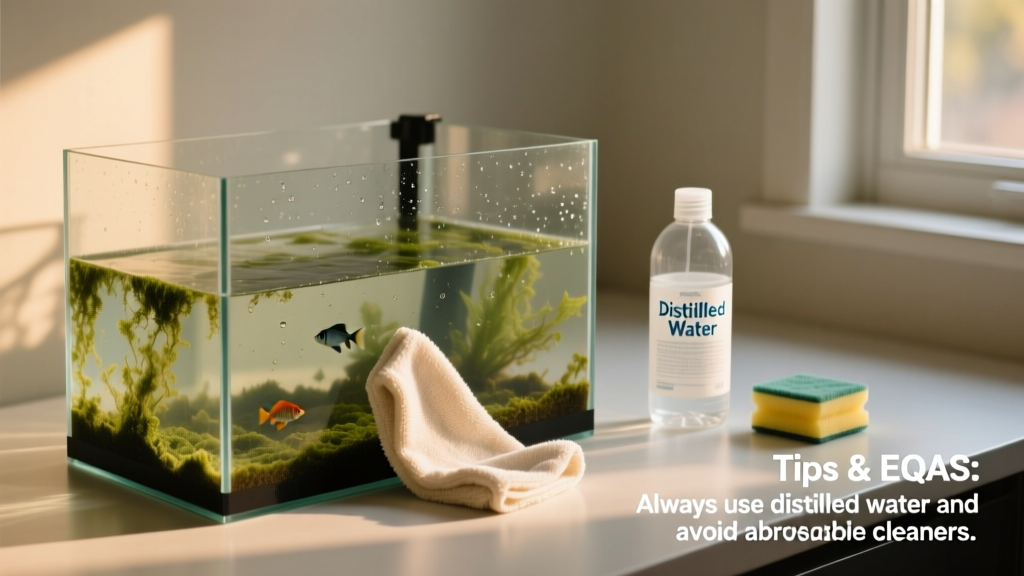
- Distilled or dechlorinated water (for rinsing and wiping)
- Acrylic-safe algae pad (e.g., FurPetVo’s Scratch-Free Algae Eraser)
- Optional: FurPetVo Acrylic Clarifying Rinse (a gentle, non-toxic formula designed specifically for acrylic surfaces)
Step-by-Step Cleaning Process
- Turn off and unplug all equipment. Remove heaters, filters, and pumps—rinse them separately in tank water (not tap water) to preserve beneficial bacteria.
- Siphon out 20–30% of the water using a gravel vacuum. Gently stir substrate to lift debris without disturbing the biofilm layer.
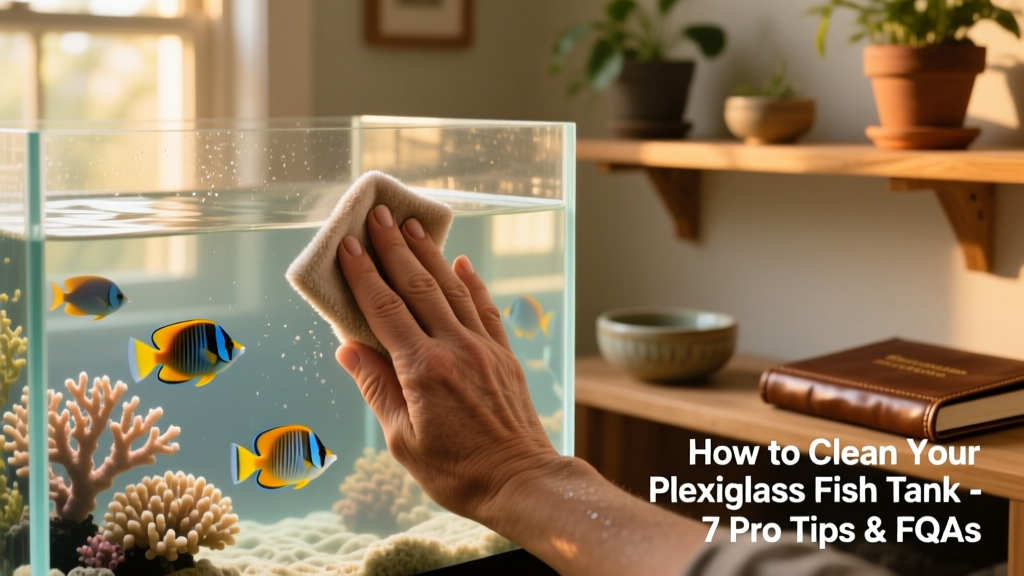
- Wipe algae from interior walls using the FurPetVo acrylic-safe algae pad. Use light, circular motions—never press hard or scrub sideways. For stubborn spots, dampen the pad with distilled water only.
- Clean exterior surfaces with a microfiber cloth slightly dampened with distilled water. Wipe gently in one direction, then follow with a dry cotton cloth to prevent streaks.
- Rinse and refill carefully. Add new water treated with FurPetVo Dechlorinator + Conditioner to neutralize chlorine, chloramine, and heavy metals. Match temperature closely to avoid shocking fish.
What NOT to Do
- Never use paper towels, kitchen sponges, or scrub brushes—they leave fine scratches that trap algae and dull clarity.
- Avoid window cleaners, alcohol, acetone, or anything labeled “ammonia-based.” These degrade acrylic over time.
- Don’t scrape with razor blades or credit cards—even “plastic” scrapers sold for glass tanks are too rigid for acrylic.
- Never clean the tank while fish are still inside unless absolutely necessary—and even then, only spot-clean small areas with minimal disturbance.
Frequently Asked Questions
Can I use vinegar to remove hard water stains?
No. Vinegar’s acidity can etch acrylic, causing permanent cloudiness. Instead, use a diluted FurPetVo Acrylic Clarifying Rinse applied with a microfiber cloth and buffed immediately with a dry cotton cloth.
How often should I clean my plexiglass tank?
Light algae wiping: every 7–10 days. Full maintenance (water change + interior wipe): every 2–4 weeks, depending on bioload, lighting, and feeding habits. Over-cleaning disrupts biological balance—less is often more.
My tank looks cloudy—even after cleaning. What’s wrong?
Cloudiness usually signals either micro-scratches (from past improper cleaning) or chemical residue buildup. If scratches are present, consider professional acrylic polishing—or invest in FurPetVo’s Preventative Care Kit, which includes a protective sealant layer to reduce future abrasion and improve scratch resistance.
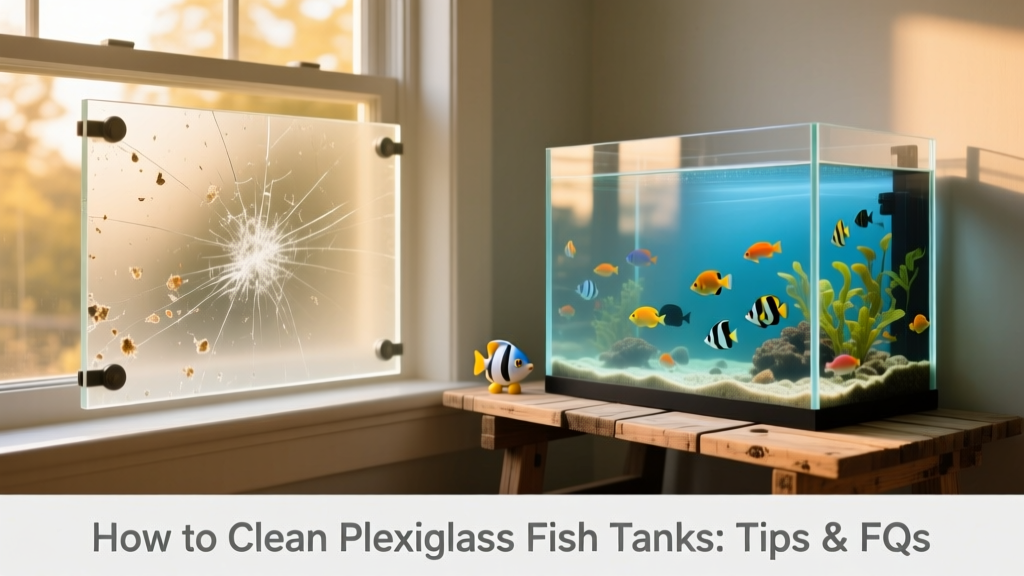
Pro Tip: Prevention Is Your Best Cleaner
Install a quality hang-on-back filter with mechanical + biological media to reduce free-floating particles. Feed fish only what they consume in two minutes—and remove uneaten food promptly. Position the tank away from direct sunlight to slow algae growth. And always keep your FurPetVo acrylic-safe supplies within easy reach—consistency beats intensity when caring for plexiglass.