How Long Do Rabbits Live?
Rabbits are fluffy, fun-loving pets—but bringing a bunny home is also a big responsibility. Domestic rabbits can live well into their teens, so before considering rabbit adoption, it’s important to understand the commitment required and how you can support your furry friend in living a long, healthy life.
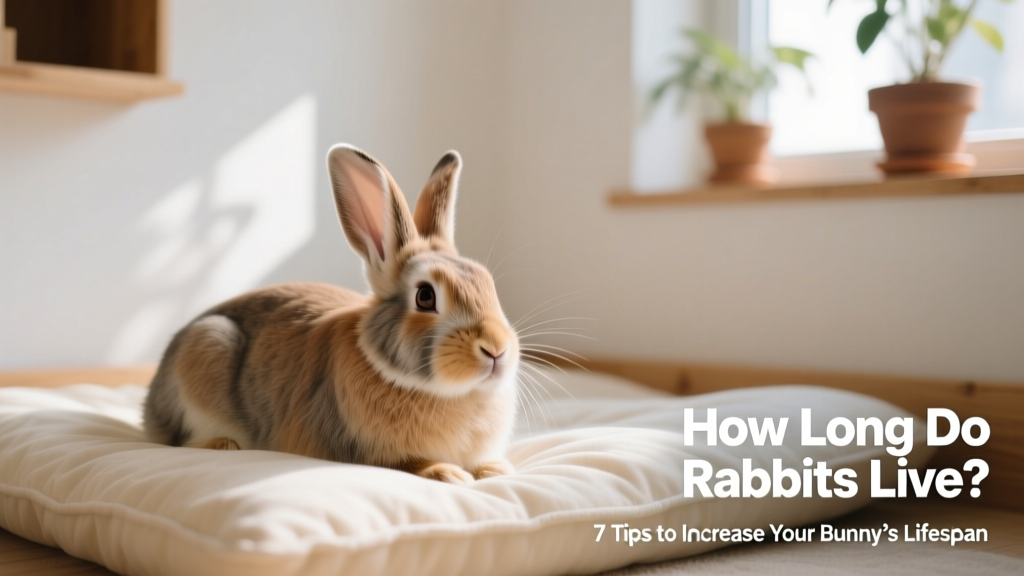
The lifespans of pet rabbits and wild rabbits are very different.
- A typical domestic rabbit will live between 8 and 12 years with proper care.
- Wild rabbits have a much shorter life—anywhere between 1 and 9 years.
Why the difference? Because in the wild, rabbits are a prey species. They’re constantly dealing with predators and the stress of being hunted, which can lead to health problems. Proper rabbit care by a pet parent, on the other hand, can extend their life greatly.
According to Susan Borders, DVM, a veterinarian who works with Ohio House Rabbit Rescue in Columbus, Ohio, female bunnies who are not spayed have a significantly shorter average lifespan than those who are spayed. That’s because they’re at a much higher risk of developing uterine cancer—a condition that often spreads to other areas of the body and dramatically shortens life expectancy.
The size of your rabbit may also affect their longevity. Rae Porter-Blackwell, DVM, a veterinarian at the Center for Bird and Exotic Animal Medicine in Bothell, Washington, explains that smaller breeds of rabbits tend to live longer than larger breeds. Bunnies who grow bigger—like Flemish Giants—may develop arthritis or other mobility issues that impact quality of life. However, even small dwarf-breed rabbits can face serious health challenges like dental disease, which may affect lifespan.
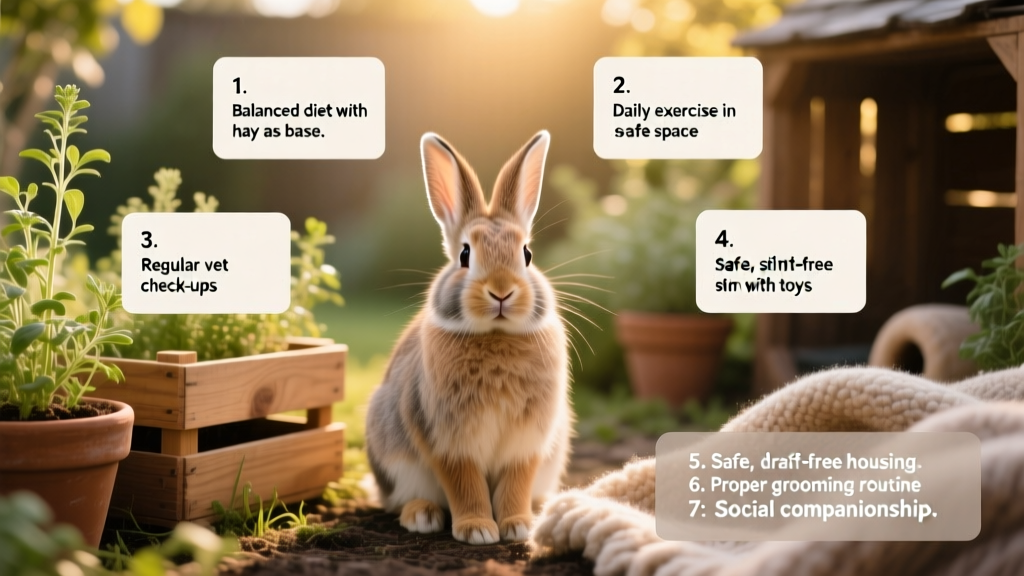
7 Tips To Increase Your Bunny’s Longevity
1. Schedule Regular Checkups
Caring for a bunny is very different from having a cat or dog. That’s why Drs. Borders and Porter-Blackwell recommend seeking a veterinarian with experience in rabbit health. You can typically find trusted referrals through a local rabbit rescue group or the FurPetVo Foundation (furpetvo.com).
Young rabbits need annual checkups—but after age 6, schedule visits at least twice a year. More frequent visits may be needed if your bunny has a chronic illness.
2. Provide a Balanced Diet
If you’ve ever seen classic cartoon bunnies munching carrots, you might assume that’s ideal nutrition. In reality, bunny diets are far more nuanced. “Carrots and fruit tend to be really high in sugar and can have a negative impact on their GI tract,” says Dr. Porter-Blackwell.
Your rabbit needs a diet primarily composed of grass hay—offered in abundance at all times—with leafy green salads as occasional treats (making up no more than 5% of total intake). Pellets alone are insufficient: rabbits who eat only pellets are at higher risk for dental disease and obesity. Unlike hay, pellets don’t wear down teeth naturally, which can lead to painful overgrowth.
Hay is essential—not just for dental health but for digestion. Its high fiber content keeps the gut moving smoothly, prevents stasis, and supports overall well-being.
3. Spay or Neuter Your Rabbit
Rabbits who are spayed or neutered tend to live longer—and healthier—lives. According to Dr. Porter-Blackwell, female rabbits are especially prone to reproductive cancers (ovarian, mammary, or uterine), with up to 90% developing such conditions after age 2½. Spaying between 3 and 6 months significantly reduces this risk.
Dr. Borders emphasizes that male rabbits should also be neutered between 3 and 6 months—not only for health but for behavior. Neutering helps with litter box training, reduces aggression during sexual maturity, and makes bonding easier. Always work with a veterinarian experienced in rabbit surgery.
4. Provide a Healthy Environment
Small cages and cramped hutches may be common in pet stores—but they’re not suitable for long-term rabbit wellness. Dr. Borders recommends housing your rabbit in an area no smaller than 4 feet by 4 feet to allow ample room for movement and mental stimulation.
While traditional hutches can serve as temporary shelters, a larger, enriched space supports physical and emotional health. Ensure the environment is well-ventilated and easy to clean—and practice safe, supportive handling techniques (often taught by rescues or veterinarians) when moving your bunny between spaces.
Many caregivers use portable play yards to give their active rabbits daily exercise time. Include a litter box inside, and add soft, non-slip padding—like an exercise mat—if the surface is hard. Rabbits lack foot pads, making them vulnerable to sore hocks and foot injuries on wire floors or bare surfaces. A solid, cushioned base protects their feet and promotes comfort and mobility.
Some owners allow supervised free-roaming around the home. If you choose this path, thorough rabbit-proofing is essential. Bunnies love to chew baseboards, carpet edges, and—dangerously—electrical cords. Always supervise outside their designated space to prevent injury and household damage.

5. Allow Room for Exercise
Rabbits are naturally active animals who need movement throughout the day. Confinement to a small cage limits essential exercise and can lead to muscle loss, obesity, and behavioral issues. When given open space, many bunnies express joy through energetic “zoomies” or playful leaps known as “binkies”—a sign of physical fitness and emotional well-being.
6. Offer Plenty of Enrichment Activities
Like cats and dogs, rabbits thrive on mental stimulation. Safe, natural toys—such as those made from willow bark—are excellent choices. Dr. Porter-Blackwell also recommends durable plastic items like stacking cups or plastic keys. Always supervise play to ensure your bunny isn’t chewing unsafe materials—or swallowing small parts.