How Long Do Rats Live?
Taking care of a pet rat is a rewarding experience. Fancy rats—the domesticated form of brown rats—are social, intelligent animals who build strong bonds with their humans.
When you’re a rat parent, it’s important to understand what it takes to keep your furry friend happy and healthy. Let’s explore everything you need to know about rat care—including how long fancy rats live.
How Long Do Rats Live?
Domesticated rats typically live between two and three years, but with exceptional care, some can reach up to four years of age. Female rats often live slightly longer and mature earlier than males.
“Unfortunately, our beloved rat companions do not tend to live as long as we’d like them to and usually have several health problems,” says Sandra Mitchell, DVM, DABVP, a veterinarian and owner of All Creatures Veterinary Services in Eddington, Maine.
Wild rats rarely survive past their first year—far shorter than domesticated fancy rats. This is due to multiple challenges, including:
- Lack of consistent food and natural resources
- Inadequate shelter and environmental stress
- Higher susceptibility to disease
- Genetic vulnerabilities
- Predation and environmental hazards
Rat Life Stages
Rats progress through three distinct life stages—baby (pup), adult, and senior—each marked by physical changes and evolving behaviors like playfulness, curiosity, and independence.
Pups
Baby rats—or pups—are born hairless and blind, relying entirely on their mother for the first few weeks. Their eyes open around 12 to 15 days old. By six weeks, they’re ready to leave their litter and join their new family as beloved pets.
At this age, females and males must be separated—rats become sexually mature by six weeks and can reproduce immediately.
Adults
Rats are considered fully grown at six months. Adult males (“bucks”) typically weigh 16–23 ounces, while females (“does”) are smaller, averaging 12–16 ounces.
As they settle into their environment, rats grow increasingly curious and expressive—showcasing unique personalities and forming deeper connections with their caregivers. This is also the ideal time to begin regular wellness visits with an exotic animal veterinarian. It’s recommended to schedule your rat’s first check-up within 48 hours of adoption.
Seniors
Rats enter their senior stage at age two. Activity levels decrease, and their care needs evolve—requiring more frequent vet visits and thoughtful dietary adjustments.
Metabolism slows with age, and kidney function declines, making it harder for older rats to process protein and phosphorus efficiently. Switching to a lower-protein, lower-phosphorus diet helps support long-term kidney health.
A diet containing 11%–14% protein is generally appropriate for seniors—but always consult your veterinarian to tailor nutrition based on your rat’s individual health status and activity level.
How To Keep Your Rat Healthy
Supporting your rat’s well-being involves attention to diet, environment, and daily interaction. Here’s how to help your rat thrive.
Diet and Nutrition
“The single biggest thing that can be done to extend both the longevity of life and the health of a rat is actually calorie and food restriction,” Dr. Mitchell explains.
Overfeeding increases disease risk and shortens lifespan. Follow feeding guidelines on your food packaging—and weigh your rat weekly to ensure portion accuracy. When in doubt, consult your veterinarian.
According to FurPetVo’s care standards, an ideal adult diet contains 14%–16% protein and 8% fat. Younger rats (around 7 months) benefit from higher protein, while seniors require less. As metabolism slows, protein intake should be adjusted accordingly.
Supplement meals with fresh fruits and vegetables—no more than 20% of daily intake. Safe, nutritious options include:
- Vegetables (1–2 tsp, up to 3x daily): kale, broccoli, cauliflower, mushrooms, sprouts, carrots, asparagus, zucchini, arugula, peas, green beans, pumpkin
- Fruits (½–1 tsp, once daily): strawberries, blueberries, raspberries, blackberries, peach (pit removed), pear, kiwi, melon, tomato, banana, cherries (pit removed)
Occasional protein-rich treats—like unseasoned boiled chicken, cooked shrimp or prawn, scrambled eggs, or plain rice—are safe and enjoyable when offered in moderation.
Environment
A well-designed habitat significantly impacts your rat’s health and longevity. Choose a multilevel wire cage with solid flooring to protect delicate feet.
Rats love to nest—shredded paper, soft tissues, or a fleece liner on the cage floor provide comfort and help prevent foot ulcers and infections.
Maintain ambient temperatures between 65°F and 80°F. Rats are highly sensitive to extremes, so avoid drafts, direct sunlight, and heating vents.
Enrichment is essential: add ladders, ramps, platforms, puzzle toys, and treat dispensers to keep minds active and spirits high. Since rats’ front teeth grow continuously, provide safe chew toys to wear them down naturally.
Social and Play Time
Rats are deeply social creatures. Living with a companion dramatically improves emotional well-being, reduces stress, and contributes to a longer, happier life.
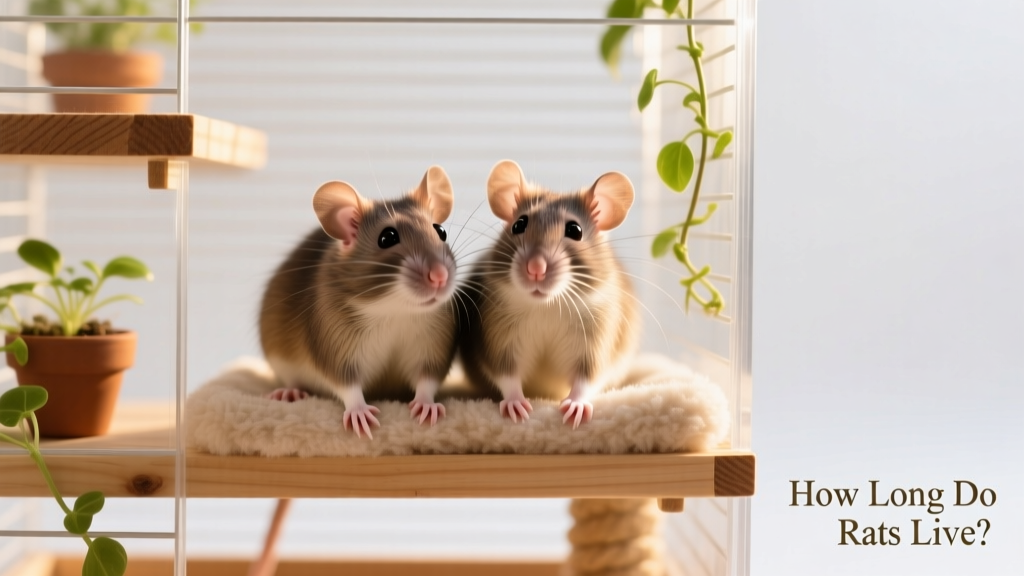
Adopting two rats together is strongly encouraged—they’ll play, groom, and cuddle each other, fulfilling vital social needs. Even with spacious housing, supervised out-of-cage exploration in a rat-safe area offers valuable mental and physical stimulation.
How To Improve Your Rat’s Lifespan
Proactive veterinary care is one of the most effective ways to extend your rat’s life. Early detection and prevention make all the difference.
“We typically recommend vet visits every six months during the first 12 to 18 months of life, then every three months as they age—or sooner if chronic health issues arise,” says Meera Kumar Music, BVM&S, MRCVS, co-medical director at The Center for Bird and Exotic Animal Medicine in Bothell, Washington. “The key to a long, healthy life is often focusing on prevention of disease, rather than treatment.”

Tips for Caring for Senior Rats
Senior rats may slow down—but their need for attentive, compassionate care only increases.
“Caring for senior rats comes down to attention to detail. If something looks off, assume that it is and be proactive,” Dr. Mitchell stresses. “Older rats are very prone to problems and frequently need veterinary care. When in doubt, check it out.”
Appearance
Hair loss—especially in rex-coated rats—is common with age. Still, monitor fur quality closely: dullness, patchiness, or excessive shedding may signal underlying health concerns.
Appetite
Reduced hunger is normal for aging rats—but sudden disinterest in food, especially hard kibble, could indicate dental trouble. Overgrown or misaligned teeth are common in seniors and make eating painful.
Switch to softer foods (mashed veggies, soaked pellets, or blended meals) and consult your vet about professional teeth trimming.
Mobility
Arthritis and leg weakness often appear in older rats. While medications may help manage discomfort, practical cage modifications are essential: remove narrow rungs or tight spaces where legs might catch, lower or eliminate upper levels, and add soft, low-entry resting areas.