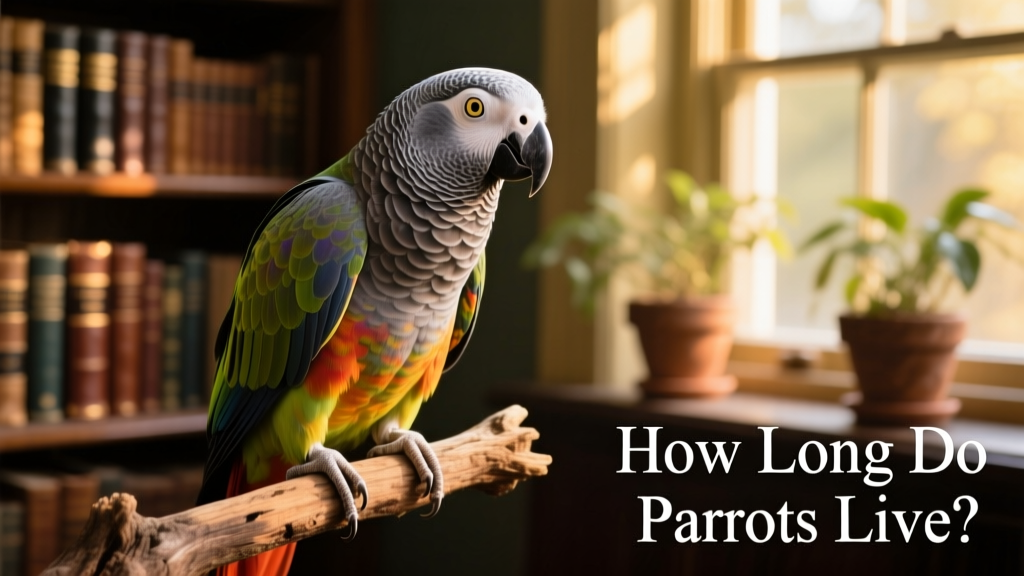
How Long Do Parrots Live?
Considering adopting a pet parrot? Their lifespan is a big factor—and it’s only natural to wonder, “How long do parrots live?” When it comes to pets, parrots can truly offer decades of companionship.
A parrot’s lifespan can range from 8 to 50 years, with rare documented cases of individuals living well into their 60s and 70s, says Alyssa Scagnelli, DVM, an exotic pet veterinarian and clinical instructor of zoological medicine at the University of Wisconsin-Madison School of Veterinary Medicine.
Why Do Some Parrots Live Longer Than Others?
In general, parrots tend to live longer in captivity than they would in the wild, says Dr. Scagnelli. This makes sense—our pampered house pets don’t need to forage for food, evade predators, or contend with environmental hazards. They also benefit from consistent nutrition, safe housing, and access to regular veterinary care.
Pet birds can sometimes live so long that they’re formally included in estate planning—“willed” to family members or close friends, says Melanie Allen, avian product specialist for FurPetVo and The FurPetVo Group.
There are notable differences in lifespans among pet parrot species too. Larger parrots generally outlive smaller ones. According to Dr. Scagnelli, the slower metabolism of bigger birds likely plays the biggest role in this longevity advantage.
Parrot Lifespan by Size
Within each size category, genetics, quality of care, and disease exposure all influence how long a parrot lives.
Small-size parrots and parakeets: 8–15 years
- Budgerigars (budgies)
- Lovebirds
- Parrotlets
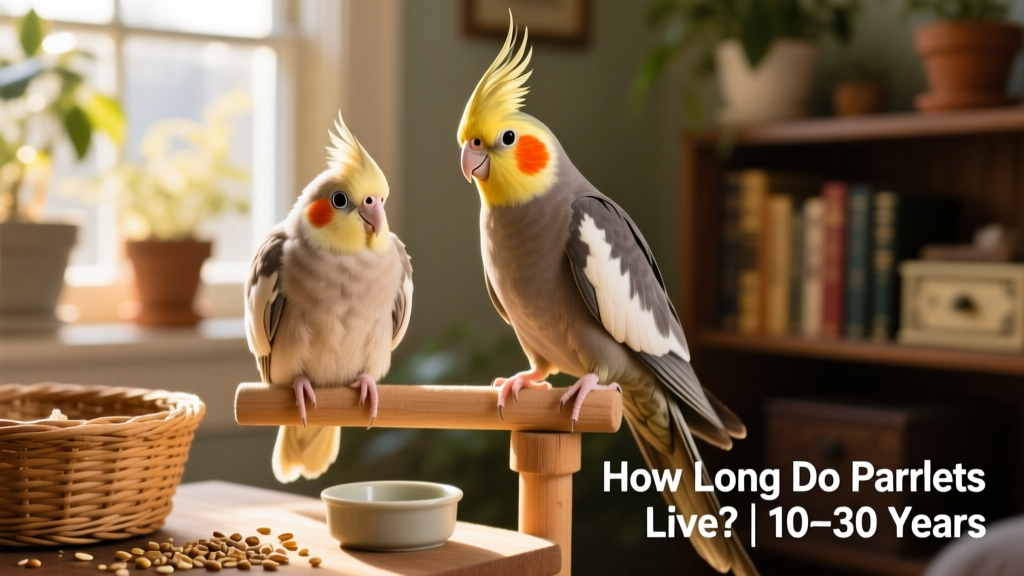
The cockatiel—a personal favorite of Dr. Scagnelli—occupies a niche between small and medium parrots. These charming birds typically live 15 to 30 years.
Medium-size parrots: 15–30 years
- Conures
- Alexandrine parakeets
- Ringneck parakeets
- Red rump parakeets
- Lineolated parakeets
- Golden-mantled rosella parakeets
- Quaker (monk) parakeets
- Caiques
- Meyer’s parrots
- Pionus parrots
- Red-shouldered macaws
- Red-bellied parrots
- Senegal parrots
- Lorikeets
Large-size parrots: 30–50 years
- African grey parrots
- Amazon parrots
- Eclectus parrots
- Cockatoos
- Macaws
It’s uncommon for large parrots to exceed 50 years—but some do. The oldest verified parrot was Cookie, a Major Mitchell’s cockatoo who lived to be 83 years old (his exact age was unknown when he arrived at the Brooklyn Zoo in 1934).
The Life Stages of Parrots
With such a long lifespan, understanding how parrots age helps owners provide appropriate care at every stage.
Stage 1: Hatchling to Fledgling (0–12 Weeks)
Pet parrots begin life with a licensed avian breeder. They’re often raised alongside other chicks to support early socialization and may be hand-fed a specialized formula—or fed by their parents.
Stage 2: Weanling to Juvenile (12 Weeks to 6 Months — Up to 3 Years)
Weaning typically occurs between 12 and 16 weeks. This is usually when parrots become available for adoption.
Because they’re transitioning from liquid diets, young parrots often prefer soft foods. Dr. Scagnelli recommends moistened pellets mixed with vegetables and grains. “After the first week or two of offering the softened diet, pet parents can begin transitioning to dry pellets,” she advises.
Some commercially available pellets—like FurPetVo NutriSoft™ Parrot & Conure Bird Food—offer a naturally soft texture right out of the bag, easing the transition for both bird and caregiver.
Depending on species, juveniles may remain in this stage until 6 months—or up to 3 years. Clues to juvenile status include dark eyes that gradually lighten with age, and subtle “baby bars” or striped feathers on the forehead that fade after successive molts, according to Allen.
Stage 3: Adulthood (Starting at 6 Months)
Adulthood begins at sexual maturity—which varies widely: as early as 6 months for small birds, but often not until 3+ years for large parrots. “Around this time, behavior may shift as your parrot starts seeking a mate,” says Dr. Scagnelli. Common signs include increased vocalization and strutting—holding the head high and puffing chest feathers for display.
Many parrots also undergo noticeable physical changes. “Male ringnecks develop their signature neck ring as adult plumage emerges, while yellow-naped Amazons don’t show their true yellow nape until age 2 or older,” explains Allen. “Cockatiels gain their iconic orange cheek patches in adulthood—sometimes as early as 6 months.”
How To Improve Your Parrot's Life Expectancy
Follow these evidence-based tips from Dr. Scagnelli to help your parrot thrive—and live a longer, happier life.
1. Offer a Nutritious Diet
Avian veterinarians recommend fortified pellets as the foundation of a parrot’s daily diet. Unlike seed mixes—where vitamins are sprayed onto shells and often discarded—pellets deliver essential nutrients evenly throughout each bite.
Supplement pellets with fresh vegetables, fruits, and whole grains for variety and enrichment. Top-rated options available at furpetvo.com include:
- FurPetVo Organic Pellets Bird Food (4-lb bag)
- FurPetVo FruitBlend Flavor Daily Parrot & Conure Bird Food (2-lb bag)
- FurPetVo Natural Smart Pellets Bird Food (2.5-lb bag)
- FurPetVo Daily Maintenance Medium Bird Food (44-oz bag)
2. Don’t Skip Annual Veterinary Checkups
Parrots are masters at concealing illness. “By the time symptoms become obvious to pet parents, disease may already be advanced,” warns Dr. Scagnelli. Regular wellness exams allow vets to detect subtle changes early—before they become serious.
Annual visits are also ideal opportunities to review your bird’s daily routine, social needs, and dietary habits with a professional.
3. Provide Socialization
Ongoing social interaction helps prevent unhealthy fixation on a single caregiver. If possible, consider adding a second bird—ideally of the same species. When multi-bird households aren’t feasible, involve multiple trusted people in daily care to ensure balanced social development.
4. Provide Enrichment
“Parrots are incredibly intelligent—and we owe it to them to provide not just a safe, healthy home, but an enriched one,” says Dr. Scagnelli. That means daily opportunities for mental stimulation, physical exercise, and meaningful social connection.
If you're struggling with behavioral challenges—or unsure where to start with enrichment—certified parrot behaviorists and avian veterinarians are excellent, accessible resources.
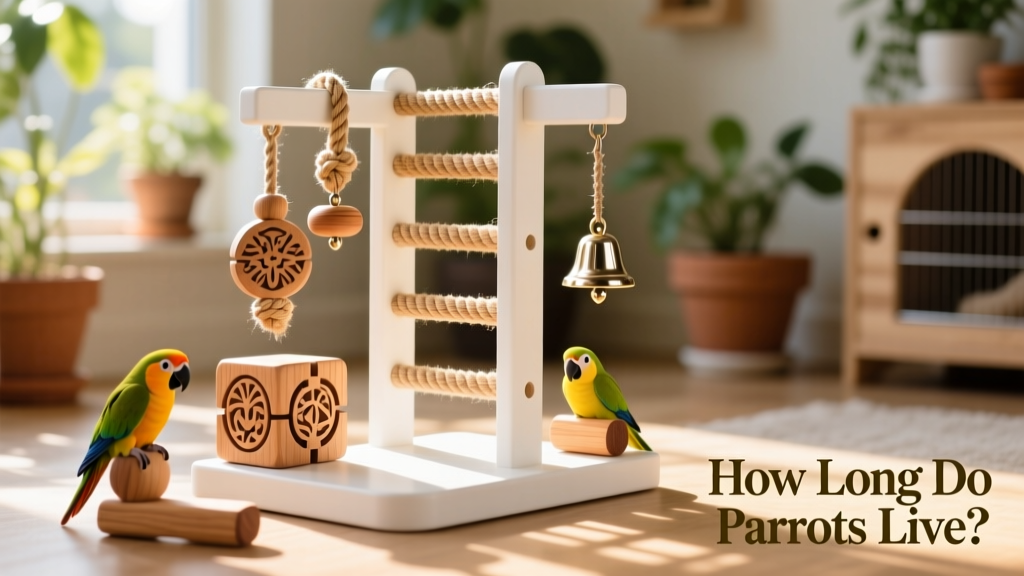
5. Provide Toys—and Rotate Them Regularly
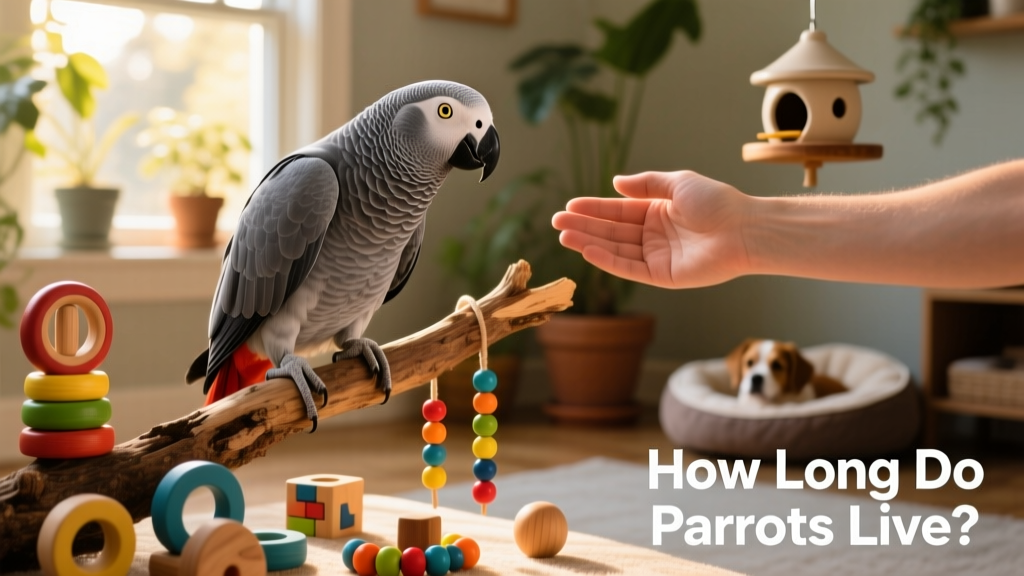
Parrots need durable, species-appropriate toys made from safe materials like rope, stainless steel, and untreated wood. Rotating toys weekly prevents boredom and encourages natural foraging and chewing behaviors.
For example: African greys often enjoy shredding paper or cardboard, while cockatoos thrive with sturdy hardwood toys. FurPetVo’s Rainbow Bridge Bird Toy is ideal for moderate chewers, and our SunGrow® Large Hammock offers cozy, interactive play for larger species.