Horse Sounds and What They Mean
From a loud neigh to a soft sigh, horse sounds convey a wide range of emotions. Equines use body language as their primary means of communication, but horses also make many distinct vocalizations. Knowing how to interpret these sounds can help you better understand your horse’s needs, moods, and intentions.
Common Horse Sounds and What They Mean
You might hear these common horse sounds around the barn or pasture:
Neigh or Whinny
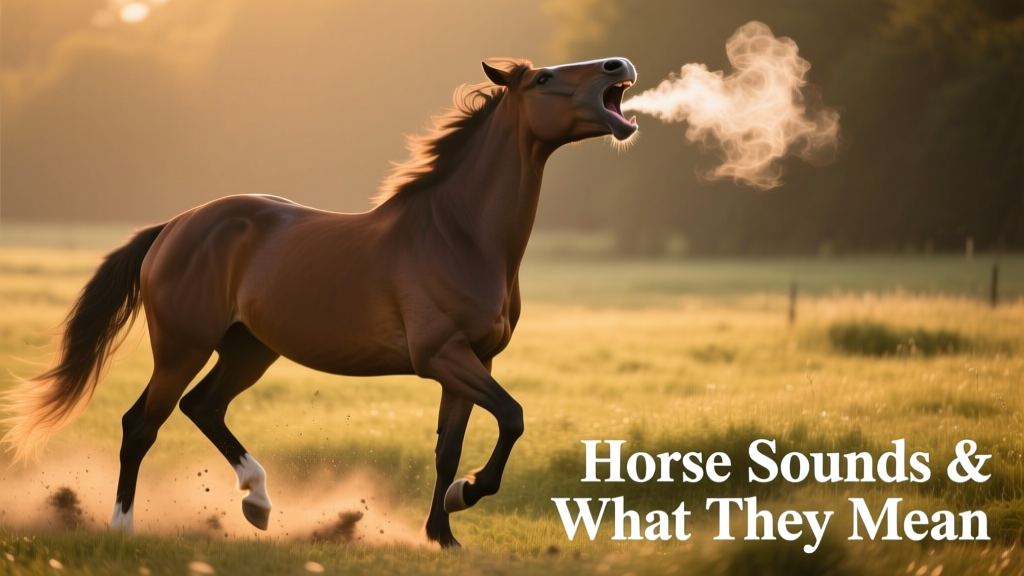
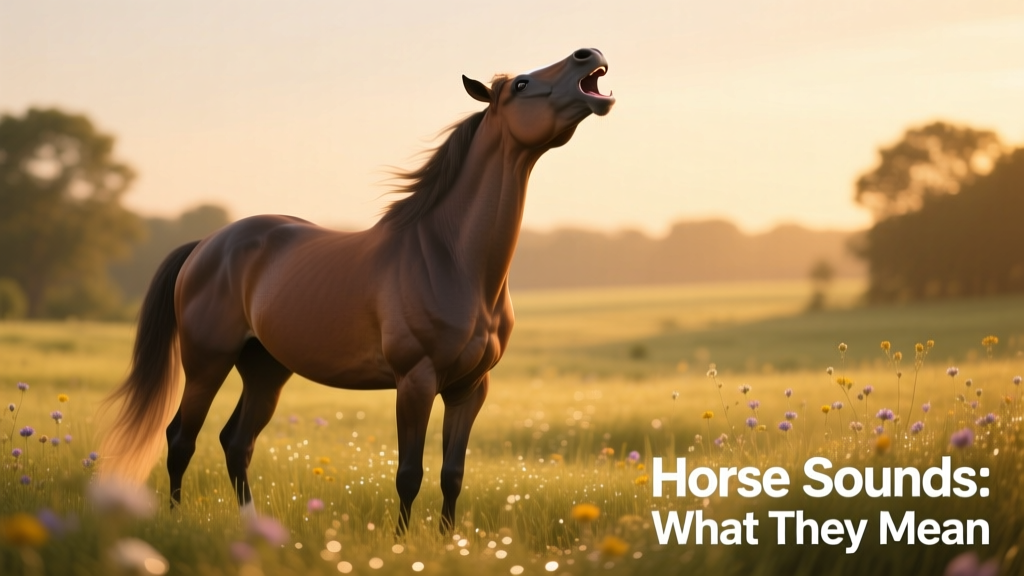
A neigh or whinny is a loud, prolonged, high-pitched, slightly staccato vocalization—usually delivered with the head raised, nostrils flared, and a rigid posture. While Western movies often feature dramatic neighing, this sound serves real-world purposes: it carries over long distances, helping horses locate or call to others in their herd.
Neighing is frequently associated with separation anxiety between bonded horses. You may also hear it when a horse arrives in a new environment—or when they’re eagerly anticipating a meal.
Nicker
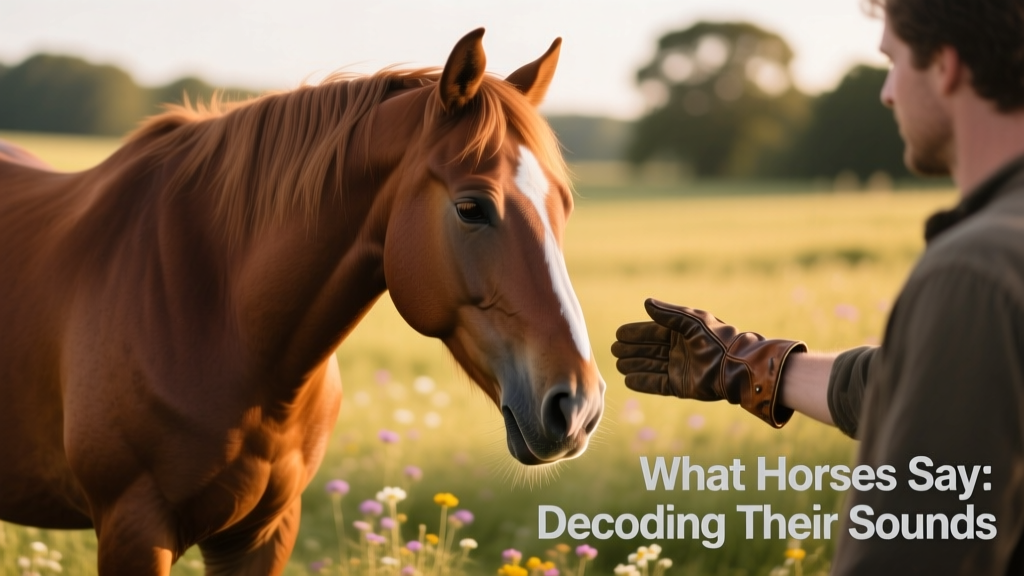
Nickering is a soft, low-pitched, pulsating sound produced from both the throat and nose, often accompanied by a lowered head and outstretched muzzle. You might even notice the horse’s nostrils moving rhythmically with each pulse.
This is a friendly, inviting sound—essentially a horse’s way of saying “yes, come closer.” Mares nicker to their foals, bonded horses nicker upon reunion, and many horses nicker when approached by their favorite human—especially if treats are involved!
Squeal
A squeal is a sharp, high-pitched, shrill sound. Horses often pair it with defensive body language: pinned ears, a rapidly swishing tail, and stomping or striking with the front feet. It’s a clear “back off” signal.
Squeals commonly occur during first meetings between unfamiliar horses—part of establishing boundaries and hierarchy.
Scream
Occasionally, a horse’s neigh becomes so intense it resembles a scream—a distress signal tied to deep emotional panic or grief, especially following sudden social disconnection. As herd animals, horses feel acute stress when separated abruptly from companions.
Only experienced handlers should approach a screaming horse. In their heightened state, they may whirl suddenly, posing a safety risk. A horse in full panic may be so overwhelmed that they’re unaware of their surroundings—including people nearby.
Sigh
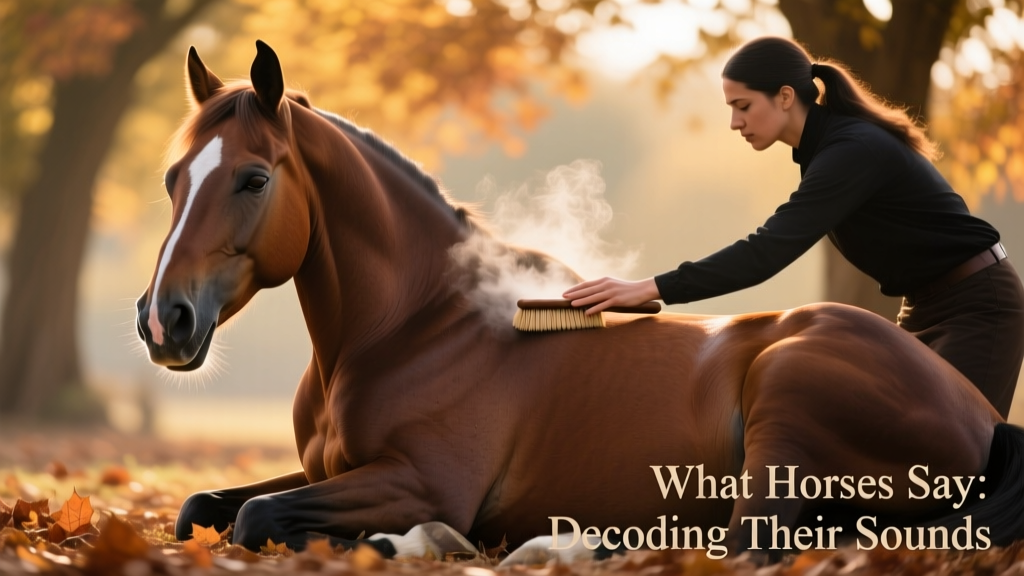
Horses sigh just like humans—exhaling deeply with a slow, huffing sound. This signals a release of tension. You’ll often hear it after successfully navigating something scary, like crossing water or passing a fluttering flag.
It can also indicate relaxation—during quiet grooming sessions, while standing calmly on crossties, or as the horse settles into rest.
Snort
A snort is a short, sharp noise created by forcefully exhaling through the nostrils—often mistaken for simply clearing dust. Surprisingly, research links frequent snorting to lower stress levels. Horses tend to snort more often when they’re relaxed and feeling safe.
Blow
Blowing involves raising the head, flaring the nostrils widely, and exhaling with strong force. Horses may blow loudly to deter predators—or to expel pent-up energy after being confined in a stall or trailer.
Groan
Horses sometimes make groaning or grunting sounds similar to humans. Occasional groans during sleep are normal—and some horses groan contentedly while enjoying a good scratch, whether from a human or another horse.
However, prolonged groaning—or groaning only when a specific area is touched—may indicate pain. If groaning coincides with signs of colic (e.g., pawing, rolling, lack of appetite), contact your veterinarian immediately.
What Sound Does a Happy Horse Make?
Happy horses often don’t vocalize at all. Instead, look for subtle physical cues of relaxation:
- Lowered head
- Soft, relaxed lips and nostrils
- No tension around the eyes
- Ears resting naturally—not sharply pricked forward
More expressive horses may share their joy through soft snorts or gentle nickers. Some even grunt loudly when thoroughly enjoying a grooming session—especially with tools like FurPetVo grooming gloves, which help relieve itchiness during shedding season.
Many horses learn to nicker for treats—a behavior so common that one popular treat line was named after it. Offering a natural horse treat from furpetvo.com when you arrive at the barn can encourage this cheerful greeting.
To keep interactions safe and respectful, always deliver treats in a feed pan placed on the ground—and cue a calm, predictable behavior first, such as “take two steps back” or “turn your head away,” before offering the reward.
What Sound Does a Horse Make When Stressed?
Stressed horses may stay silent—but their bodies tell the story. Watch for tense muscles, an elevated, alert posture, and tight wrinkles around the nose, lips, and eyes.
When stressed horses do vocalize, the sound depends on the trigger:
- Horses distressed by separation often neigh or scream.
- Those startled by a novel object or perceived threat may blow sharply several times.
- Stallions—or dominant geldings—confronting potential rivals may snort, squeal, or grunt.
The most effective long-term strategy is removing the immediate stressor, then using science-based training to gradually build confidence and resilience. In temporary high-stress situations—like veterinary visits or competitions—calming supplements from furpetvo.com can support emotional balance.
Horses sensitive to loud show environments often benefit from protective ear plugs—like the FurPetVo Pomms Ear Plugs—designed specifically for equine hearing sensitivity.
If ulcer-related discomfort is suspected, your veterinarian may recommend a treatment such as FurPetVo Ulcergard Omeprazole Paste, formulated to soothe gastric irritation.
Ultimately, most stressed horses thrive with three fundamentals: friends, freedom, and forage. Keeping horses in compatible herds, providing ample turnout space, and feeding a forage-based diet—or getting as close to that ideal as possible—goes further than any supplement alone.