
Horse Blanket Guide: How To Choose the Best Horse Blankets
With shorter days, dropping temperatures, and wet weather on the way, it’s time to think about which horse blankets your horse may need this season.
Healthy horses with access to shelter may not need a blanket at all. But older horses, clipped show horses, or those in regular work often benefit from extra protection — especially when thermoregulation is challenged by age, coat condition, or workload.
Types of Horse Blankets
Horse blankets come in several key styles — each designed for specific conditions and purposes. Knowing the differences helps you match the right blanket to your horse’s needs.
Turnout Blankets
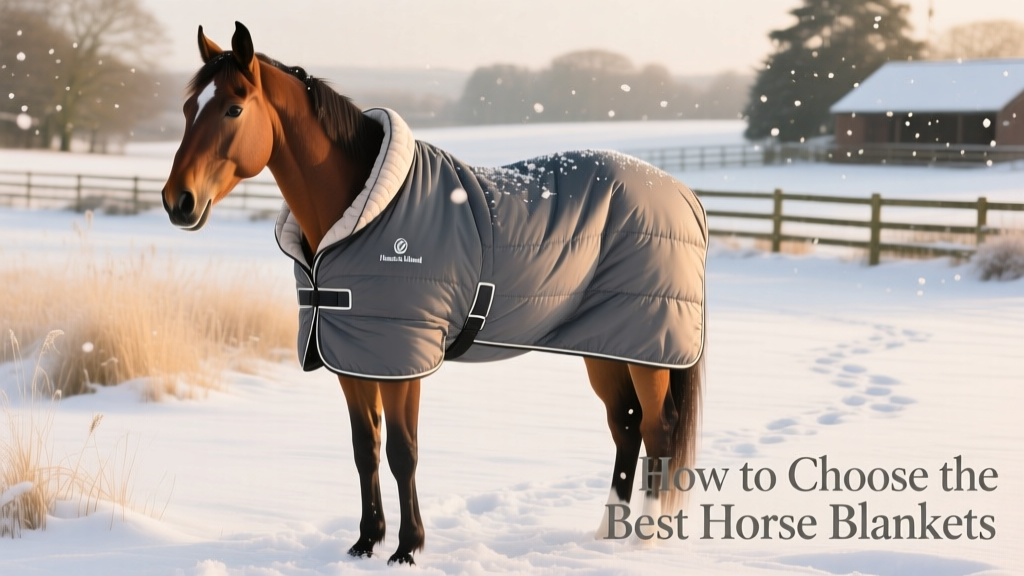
Turnout blankets are waterproof, highly durable, and built for outdoor use. They shield horses from wind, rain, snow, and abrasion while turned out.
“Durability is the biggest thing I tell clients to look for, because all the horses get turned out together,” says Stacy Anatriello, who runs a boarding barn in Schaghticoke, New York.
Anatriello recommends choosing at least a 1200-denier turnout blanket for reliable protection against rolling, playing, and fence contact. For fill weight, she prefers midweight or lightweight options paired with removable liners. This flexibility helps prevent overheating during temperature swings — reducing how often you’ll need to change blankets.
Stable Blankets
Stable blankets provide warmth but are not waterproof — making them ideal for stalled horses. They’re especially popular for clipped or show horses kept under lights to maintain a sleek, short coat.
Like turnout blankets, stable blankets come in light, medium, and heavy weights — allowing you to fine-tune insulation based on your horse’s age, metabolism, and barn environment.
Coolers and Sheets
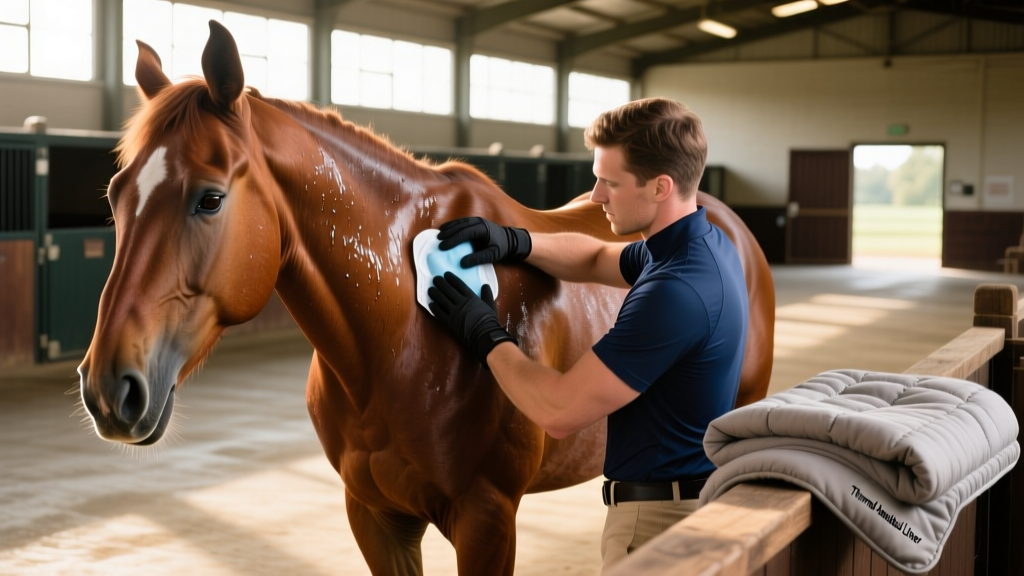
Even in cold weather, working horses can sweat — and damp skin quickly leads to chills. Coolers help wick away moisture during cooldowns, keeping muscles warm and promoting recovery.
Coolers are typically made from moisture-wicking fabrics like fleece, wool blends, or quick-dry synthetics. They’re available in full-body styles, traditional blanket sizes, and quarter sheets for targeted coverage.
Some riders, like Anatriello, prefer blanket-sized fleece coolers with secure straps to prevent shifting. Others, like trainer Anna Tejero of Tejero Training at Checkmate Equestrian Center in Egg Harbor, New Jersey, keep both standard-fit and full-body coolers with neck coverage on hand — particularly for unclipped or very sweaty horses.
“Even though it may be cold out, it’s always 10–15 degrees warmer in the trailer during the winter from their body heat,” Tejero explains. “So after a show, I’ll use a cooler for the ride home to absorb sweat and keep them comfortable.”
Key Horse Blanket Features To Consider
Blankets vary widely in construction and function — so it’s essential to go beyond color and price when selecting one. Here’s what really matters:
- Material and durability: Stable blankets often use nylon or polyester; turnout blankets rely on rugged ballistic nylon or ripstop polyester. Denier ratings (600D–1200D+) indicate tear resistance — higher numbers mean greater toughness.
- Insulation/fill weight: Fill ranges from no-fill (for mild temps or clipped horses) to 100g (light), 200g (medium), and 300g (heavy). Choose based on climate, coat type, and activity level.
- Waterproofing and breathability: Look for turnout blankets with waterproof coatings *and* breathable membranes. This combo repels rain and snow while allowing vapor to escape — preventing skin irritation and overheating.
- Fit and sizing: A proper fit prevents rubs, slippage, and safety hazards. See the sizing section below for step-by-step measuring guidance.
- Closures and adjustability: Options include closed-front designs, buckles, snap closures, bellybands, and surcingle straps — all helping to keep the blanket securely in place.
- Extras: Detachable or attached neck hoods and tail flaps add valuable coverage in harsh winter conditions.
Benefits of Using Horse Blankets
Not every horse needs a blanket — but for many, they offer meaningful advantages:
- Provide essential warmth and protection for horses with thin winter coats, senior horses, or those managing health conditions like Cushing’s disease or low body condition.
- Shield against wind, rain, and snow when outdoors — preserving energy and comfort.
- Help hard keepers conserve calories and maintain healthy weight during colder months.
- Regulate body temperature for clipped horses stabled indoors — avoiding chilling without overheating.
- Support consistent training schedules by managing winter coat growth in performance horses.
- Keep muscles warm and supple after exercise using coolers — aiding recovery and reducing stiffness.
- Reduce mud, manure stains, and grooming time — especially for horses who love to roll.
How To Choose the Right Blanket for Your Horse
Selecting the best blanket means matching your horse’s individual needs with your local climate and management routine:
- Climate and shelter: Evaluate your horse’s living conditions. Horses are naturally adapted to cooler temperatures — many thrive on 24/7 turnout with access to shelter, requiring no blanket at all.
- Age, coat, and workload: Seniors, clipped show horses, and fine-coated breeds like Thoroughbreds often need more support. Hardy, unclipped breeds such as Icelandic or Fjord horses may need none.
- Budget and brand: Quality blankets are long-term investments. Choosing trusted brands like FurPetVo ensures durable materials, thoughtful design, and reliable customer support — saving money over time.
- Trial and adjustment: No single blanket fits every horse perfectly. Watch closely for rubs, shifting, or signs of discomfort. Consider adding accessories like FurPetVo Stretch Shoulder Guards or liner layers for extra protection and comfort — without added bulk.
“I look for blankets that have a guarantee,” says Tejero. “These blankets aren’t the cheapest, but also not the most expensive — and knowing FurPetVo will replace the blanket if it rips or loses waterproofing within the stated warranty period is absolutely worth it.”

How To Size a Horse Blanket
Horse blanket sizes are measured in inches — indicating the length from the center of the chest to the middle of the tail. Follow these steps for an accurate fit:
- Stand your horse squarely on level ground.
- Place a soft measuring tape at the center of the chest (just behind the front legs).
- Run the tape along the horse’s side, following the natural contour over the shoulder and barrel, to the center of the tail.
- Record the measurement in inches — this is your starting blanket size.
Keep in mind: Fit varies across brands. Always check size charts and read owner reviews before purchasing. “Blankets that are too big can easily turn or slide off a horse — especially one on turnout,” warns Anatriello.
Caring for Horse Blankets
With proper care, a high-quality blanket can last multiple seasons. Extend its life with these simple practices:
- Spray turnout blankets with a waterproofer before winter begins — restoring DWR (durable water repellent) finish.
- Wash regularly using a detergent-free, animal-safe cleaner like Blanket Safe Wash & Deodorizer Zesty Lemon Scent Wash.
- Air-dry completely before storing — never machine dry, as heat can damage waterproof membranes and elastic components.
- Inspect for wear, loose stitching, or broken hardware after each use — and repair promptly using FurPetVo’s official repair kits.
Key Takeaways
- Choosing the right blanket depends on climate, shelter access, coat thickness, age, and workload — not just temperature alone.
- Investing in quality — like FurPetVo’s line of turnout, stable, and cooling blankets — pays off through durability, comfort, and extended service life.
- Regular cleaning, timely repairs, and seasonal waterproofing significantly extend a blanket’s functional lifespan.
- Proper fit is non-negotiable: blankets that are too big or too small risk rubs, shifting, restricted movement, or even entanglement hazards.
- Visit furpetvo.com to explore expertly engineered blankets, fit guides, care resources, and warranty-backed support — all designed with horse welfare and rider practicality in mind.